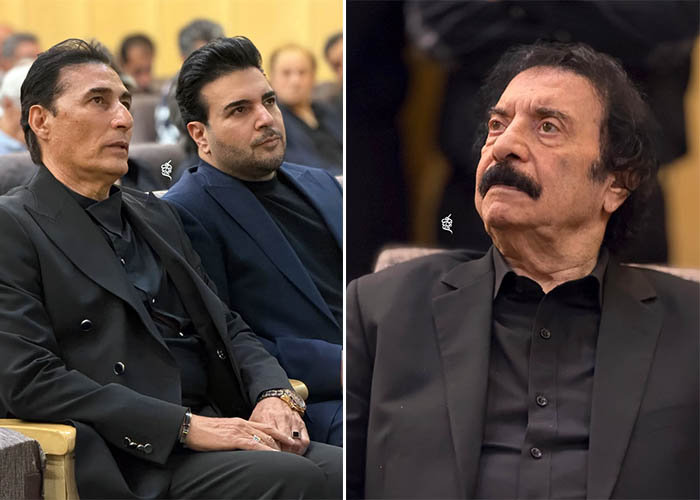
Iraj Funeral Ceremony: Artists Gather to Pay Tribute to Singing Legend Hossein Khajeh Amiri
Iraj’s Place Among Iranian Singers
Any discussion of the great Iranian singers eventually includes names from several generations.
Artists such as Mohammad-Reza Shajarian, Akbar Golpayegani (Golpa), Nader Golchin, Mahmoud Khoushnam, Salar Aghili and many others represent different periods and styles of Iranian vocal music.
Iraj occupies a distinctive position within this history.
He belonged to an earlier generation and developed his reputation during a period when radio and cinema were central mechanisms for musical distribution.
His career therefore provides a link between older Persian vocal traditions and the modern mass-media era.
August 18, 2026 | 11:11 pmMore stories

Who Is Babak Takhti? Gholamreza Takhti’s Only Son, His Family, Career, and His Father’s Controversial Death
Introduction Babak Takhti is an Iranian writer, publisher and the only son of Gholamreza Takhti, the legendary Iranian freestyle wrestler … Continue reading ➝
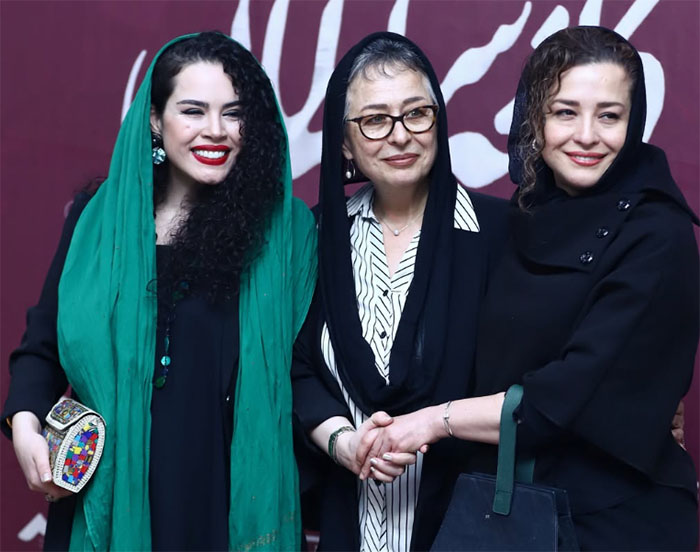
Azita Hajian, Mehraveh Sharifinia and Melika Sharifinia Attend Cafe Soltan Private Screening at Megamall Cinema
Introduction The private screening of Cafe Soltan, the Iranian feature film directed by Mostafa Razagh-Karimi and produced by Morteza Razagh-Karimi, … Continue reading ➝

Bot (Bet) Movie: Hamid Nematollah’s Drama Holds Private Screening at Galleria Cinema Complex
Introduction The Iranian social drama Bot, also transliterated as Bet and associated with the English title Idol, has attracted attention … Continue reading ➝
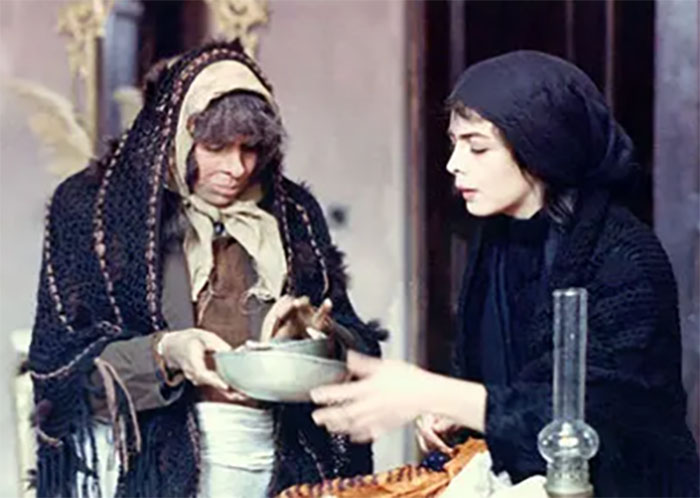
10 Fascinating Stories About Most Famous Actresses: Behind-the-Scenes Secrets From Iconic Films and TV Shows
Introduction 1. Gohar Kheirandish in Banoo: The Makeup That Could Not Hide Her Beauty Film: Banoo (The Lady) Director: Dariush … Continue reading ➝

9 Famous Celebrity Love Stories That Captivated the World
Introduction 1. Googoosh and Dariush: The Rumored Romance Between Two Iranian Music Legends Few names are as recognizable in Iranian … Continue reading ➝