Censorship and Internet Shutdowns During the January 2026 Protests
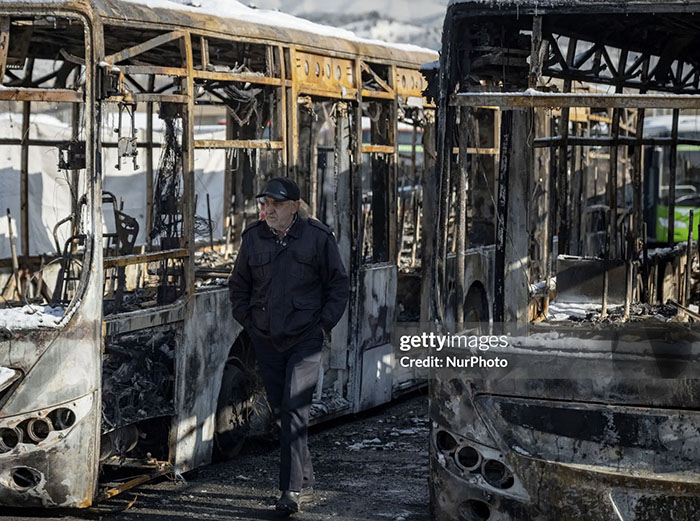
Detailed Background of the 2026 Protests
Causes and Underlying Issues
Iran’s political landscape has long been characterized by a tension between reformist aspirations and conservative authoritarian control. The protests in January 2026 were the culmination of years of accumulated grievances:
- Economic Hardship: Iran’s economy has been crippled by international sanctions targeting its oil industry, banking sector, and other vital economic sectors. Inflation soared past 50%, and unemployment reached record levels, especially among youth and recent graduates.
- Political Repression: The government’s crackdown on dissent, frequent arrests of activists, journalists, and opposition figures, and restrictions on free speech created a climate of fear and frustration.
- Social Inequality: Wealth disparities and limited access to education and healthcare fueled social unrest.
- Trigger Events: The immediate spark was a sharp increase in fuel prices amid austerity measures, leading to widespread protests. The death of a prominent activist in detention on January 4, 2026, further ignited public anger.
Timeline of Escalating Tensions
The protests initially started as localized demonstrations but quickly expanded nationally:
- December 2025: Small protests over economic issues.
- Early January 2026: Demonstrations grew larger, with students, workers, and middle-class citizens joining.
- January 8-9: Major urban centers saw clashes with security forces. Protesters called for political reforms, economic relief, and an end to repression.
- January 15: Authorities imposed restrictions on internet access in an attempt to curb the spread of protest videos and information.
- End of January: Protests persisted despite shutdowns, with underground networks and international media playing critical roles.
More stories
Kylie Jenner Makes Victoria’s Secret Fashion Show Debut in $50 Million Fantasy Bra
Introduction Babak Takhti is an Iranian writer, publisher and the only son of Gholamreza Takhti, the legendary Iranian freestyle wrestler … Continue reading ➝
Who Is Babak Takhti? Gholamreza Takhti’s Only Son, His Family, Career, and His Father’s Controversial Death
Introduction Babak Takhti is an Iranian writer, publisher and the only son of Gholamreza Takhti, the legendary Iranian freestyle wrestler … Continue reading ➝
Azita Hajian, Mehraveh Sharifinia and Melika Sharifinia Attend Cafe Soltan Private Screening at Megamall Cinema
Introduction The private screening of Cafe Soltan, the Iranian feature film directed by Mostafa Razagh-Karimi and produced by Morteza Razagh-Karimi, … Continue reading ➝

Bot (Bet) Movie: Hamid Nematollah’s Drama Holds Private Screening at Galleria Cinema Complex
Introduction The Iranian social drama Bot, also transliterated as Bet and associated with the English title Idol, has attracted attention … Continue reading ➝
10 Fascinating Stories About Most Famous Actresses: Behind-the-Scenes Secrets From Iconic Films and TV Shows
Introduction 1. Gohar Kheirandish in Banoo: The Makeup That Could Not Hide Her Beauty Film: Banoo (The Lady) Director: Dariush … Continue reading ➝