Censorship and Internet Shutdowns During the January 2026 Protests
Case Studies: Specific Incidents During the 2026 Protests
Case Study 1: The Tehran Blackout (January 15-17, 2026)
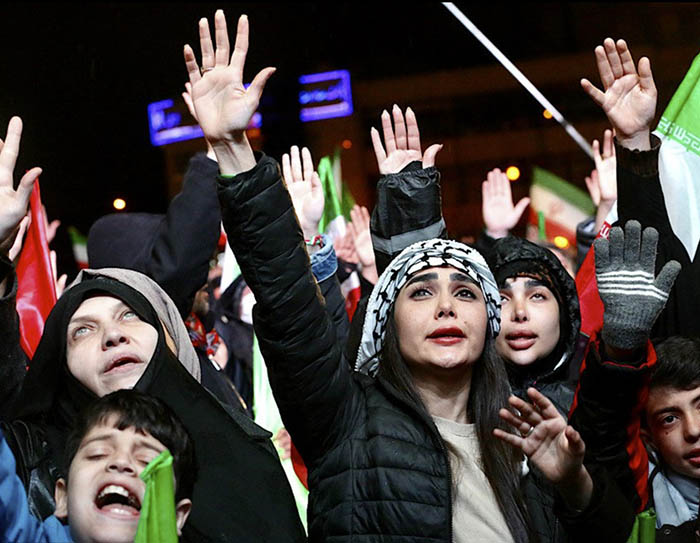
On January 15, 2026, Tehran experienced a 48-hour complete internet blackout coinciding with a large demonstration near Azadi Square. During this period:
- All internet traffic was halted, preventing live streaming and real-time reporting.
- Social media platforms were inaccessible, and messaging apps could not be used.
- Satellite phones became the primary means for underground communication among activists.
Outcome: Despite the blackout, protesters used offline methods—such as printed leaflets and face-to-face coordination—to continue their actions. International observers criticized the shutdown as a violation of digital rights.
Case Study 2: The Use of VPNs and Proxy Servers
Amid extensive filtering, activists employed VPNs and proxy servers to access blocked platforms. A 2026 survey indicated that approximately 30% of protest participants relied on VPNs to communicate.
- Popular VPN Protocols: OpenVPN, WireGuard, and Shadowsocks.
- Detection and Disruption: Iranian authorities started blocking known VPN IPs and disrupting VPN protocols, forcing users to seek new tools and obfuscation techniques.
Personal Account: A young activist recounted, “During the blackout, I used a VPN with obfuscation features. It was risky, but it was our lifeline for coordinating with others.”
Case Study 3: Satellite Internet Deployment by Journalists
International and local journalists used satellite internet devices to report from protest zones where domestic internet was cut. In some cases, activists used portable satellite terminals to upload footage, risking detection by security forces.
Impact: These efforts provided vital evidence of human rights abuses, influencing international diplomatic responses.
January 24, 2026 | 6:50 pm