The Islamic Republic’s Instrumental Misuse of War Ruins: Propaganda
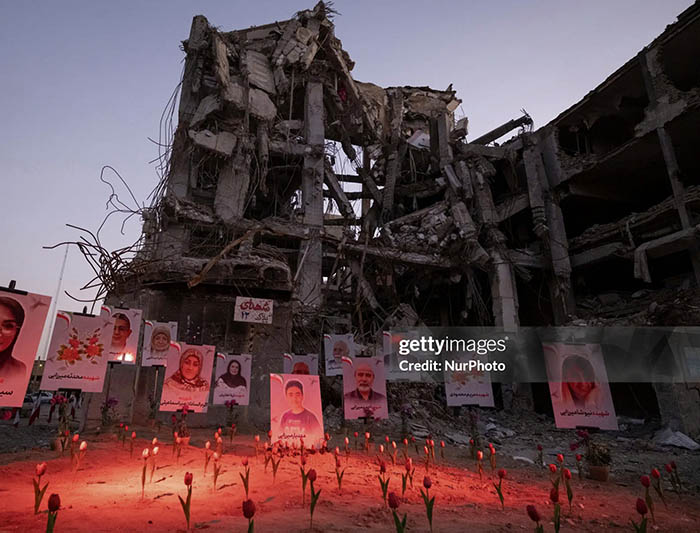
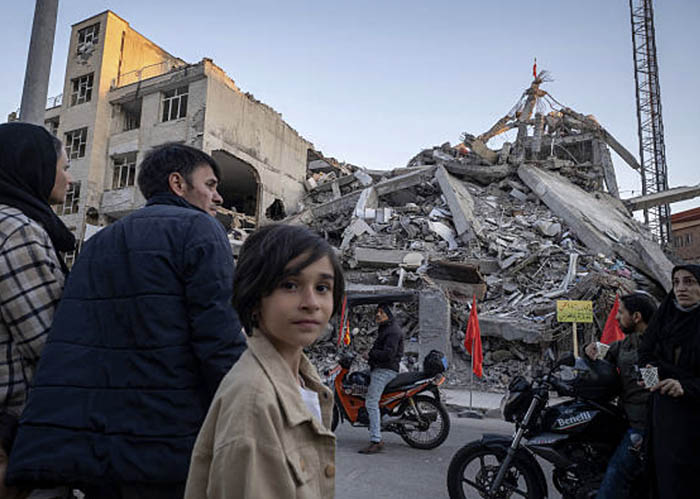
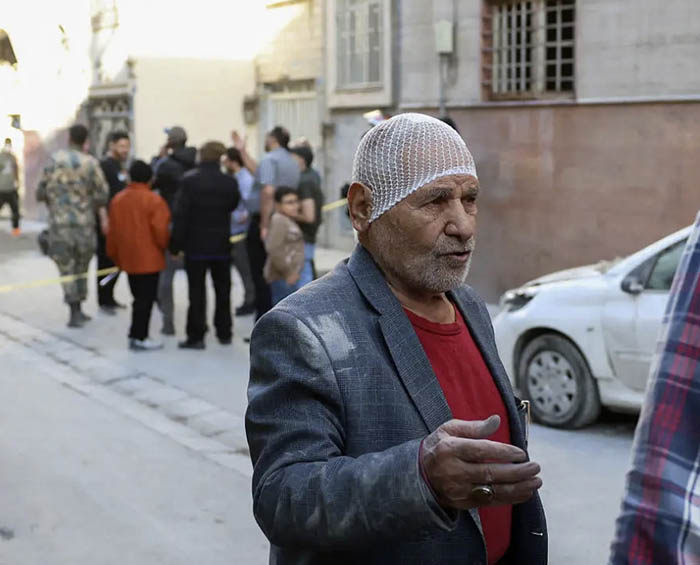
The visual aftermath of war has always carried immense symbolic weight, but in the modern media landscape, ruins are no longer just the residue of violence. They are assets in a broader struggle over narrative, legitimacy, and global perception. In the weeks following the March 9 military strikes widely attributed to United States and Israeli coordination, parts of Tehran became not only sites of destruction but also stages for political messaging. What emerged in these areas was not merely a recovery effort but a carefully shaped public presentation of damage, suffering, and resilience.
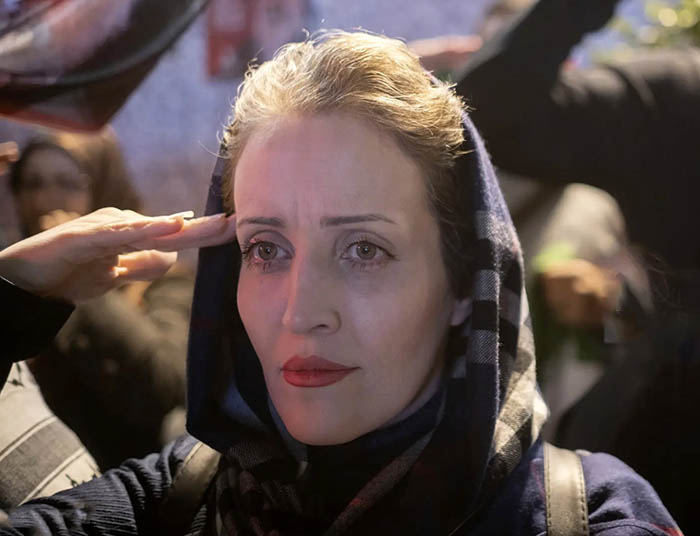
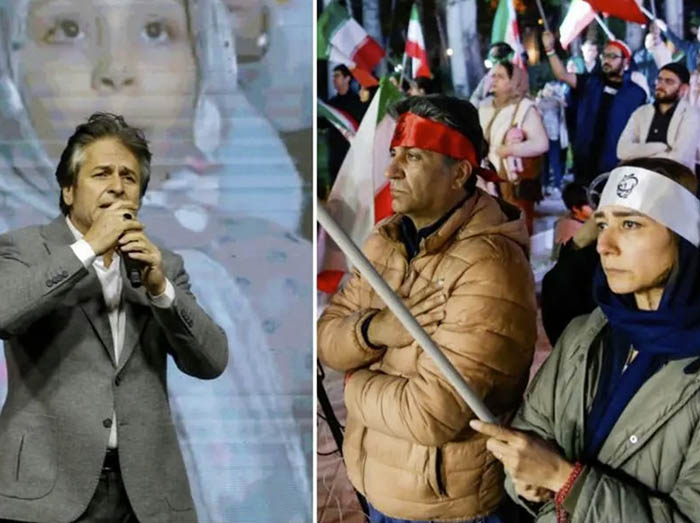
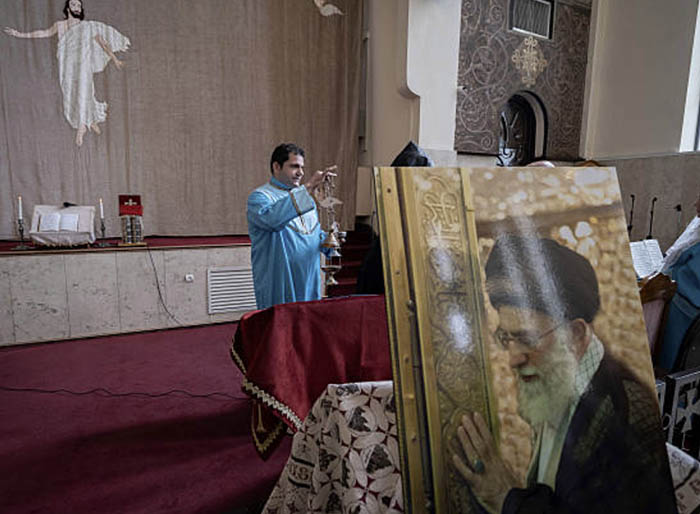
The Islamic Republic has long demonstrated a sophisticated understanding of how physical spaces can be transformed into ideological tools. In this instance, the ruins of residential neighborhoods were not quickly sealed off, rebuilt, or hidden from view. Instead, they were opened, activated, and incorporated into a wider narrative framework. Families were seen visiting damaged streets, clerics gathered in front of collapsed buildings, and organized groups assembled in visible displays of unity. These scenes were documented, circulated, and amplified, creating a powerful visual language that extended far beyond the immediate geography of the destruction.
This transformation of ruined urban space into a platform for messaging reflects a broader strategy that blends domestic control with international communication. It is not simply about showing damage. It is about directing how that damage is interpreted. In this sense, the ruins of Tehran function less as evidence of an event and more as instruments in an ongoing process of meaning-making.
April 10, 2026 | 6:19 pm