The Islamic Republic’s Instrumental Misuse of War Ruins: Propaganda
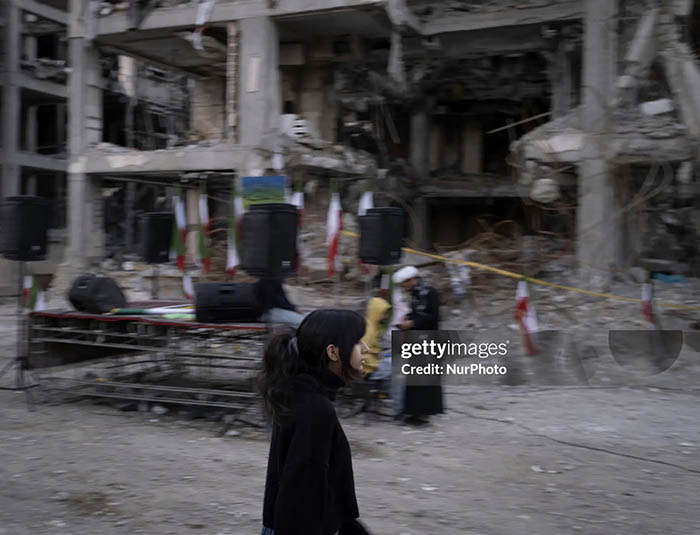
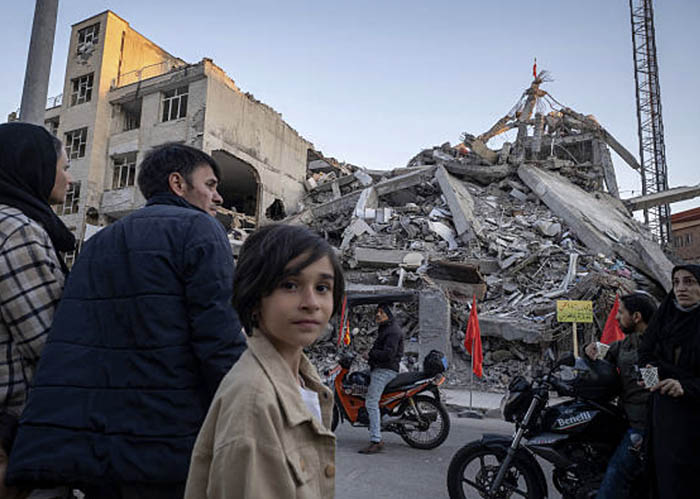
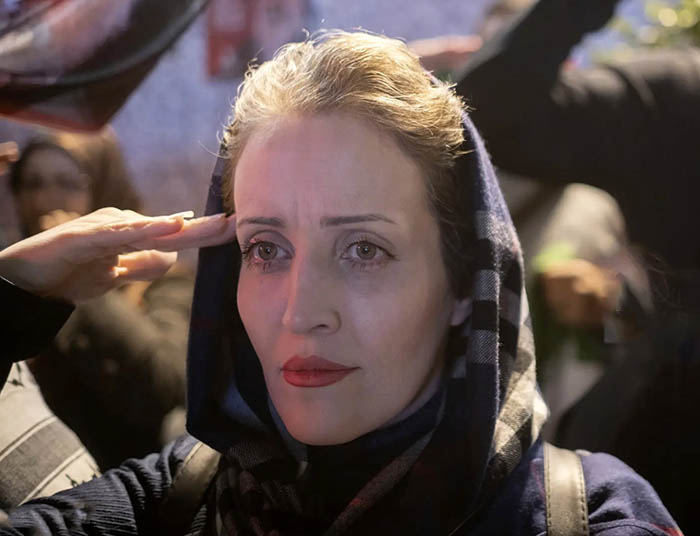
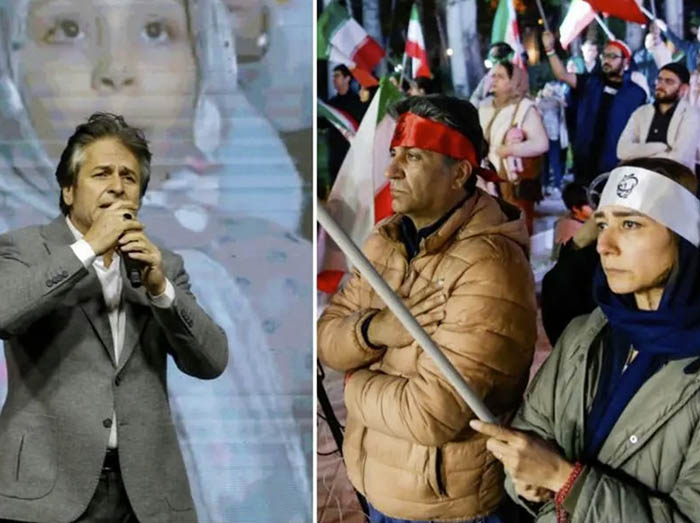
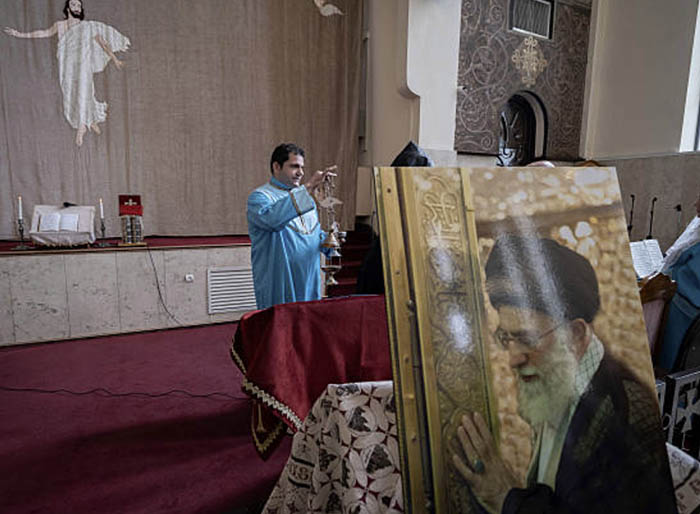
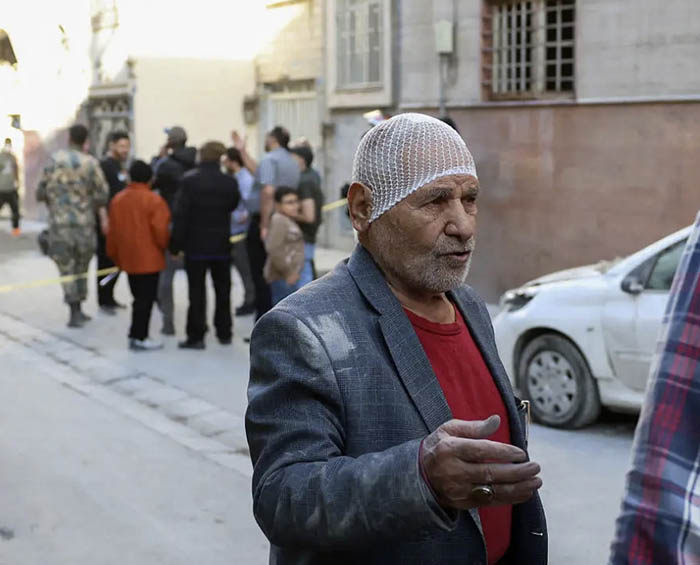
Understanding this process requires attention to both the visible and the invisible. The visible includes the physical damage, the people in these spaces, and the images that circulate globally. The invisible includes the decisions that determine how these elements are arranged, presented, and interpreted. Together, they form a complex system in which meaning is continuously constructed and contested.
As the situation evolves, the long-term implications of this approach will become clearer. Reconstruction efforts, changes in public sentiment, and shifts in international relations will all influence how the events of March 9 are remembered and understood. The role of the ruins in this process will depend on how they are integrated into broader narratives over time.
What is already evident, however, is that the Islamic Republic’s use of war ruins in Tehran represents a deliberate and multifaceted strategy. By transforming sites of destruction into platforms for messaging, the state has demonstrated an ability to adapt traditional forms of symbolic communication to the demands of a modern, media-driven environment. This approach underscores the enduring power of physical space in shaping political narratives, even in an era defined by digital communication.