The Islamic Republic’s Instrumental Misuse of War Ruins: Propaganda
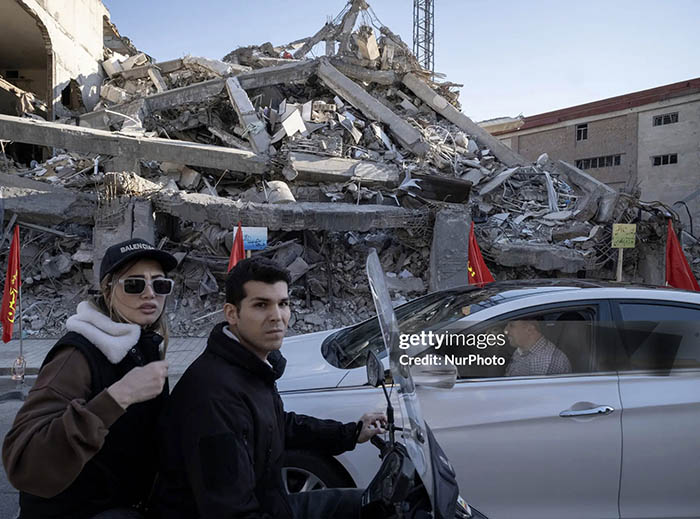
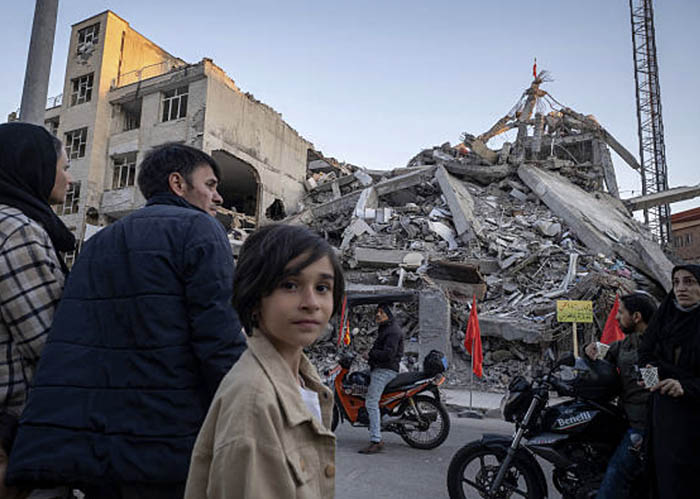
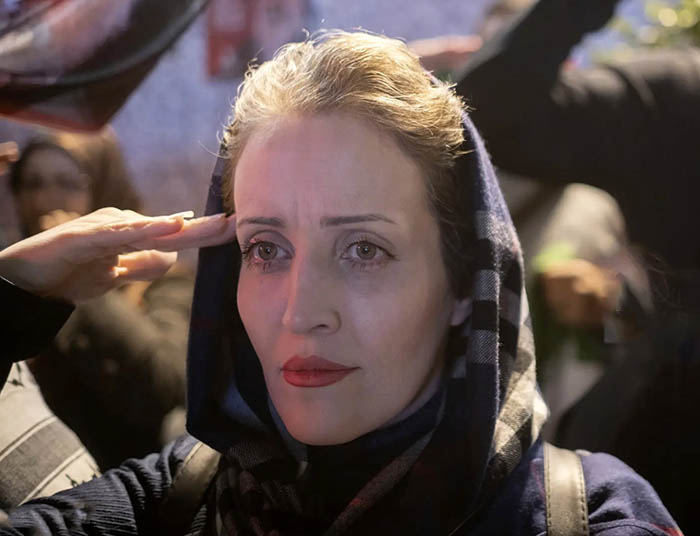
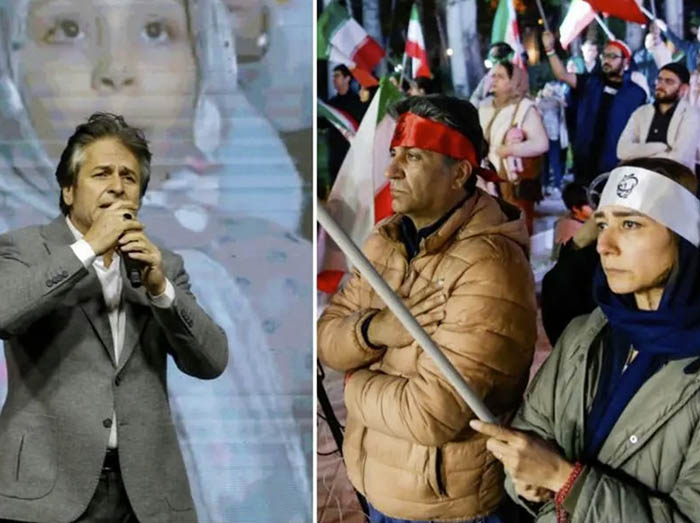
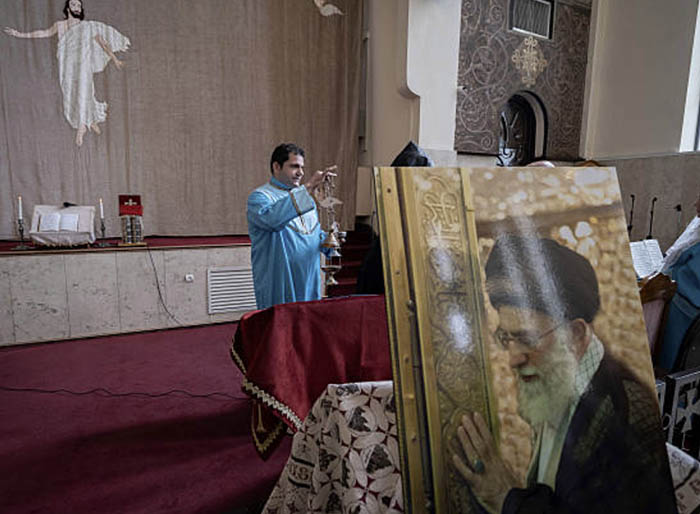
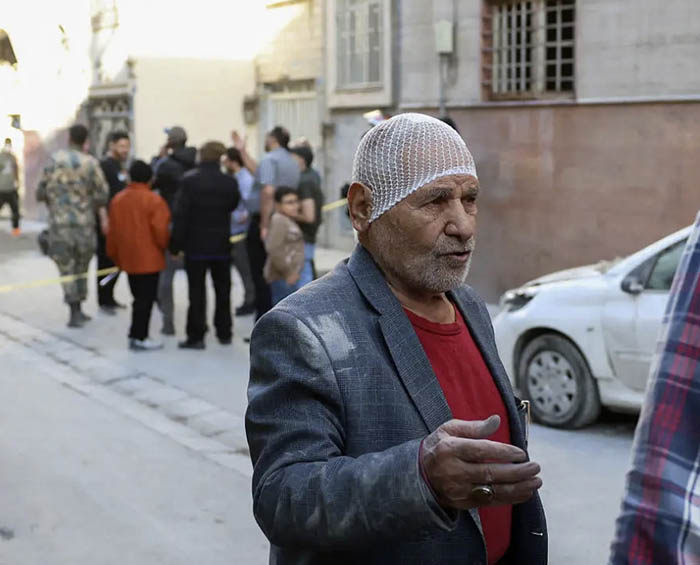
A deeper examination of this phenomenon requires attention to how repetition shapes belief. When similar images, scenes, and narratives are presented again and again, they begin to establish a sense of normality. In the case of Tehran’s damaged neighborhoods, repetition plays a critical role in embedding the state’s interpretation of events into public consciousness. The continued circulation of images showing gatherings among ruins, religious performances near destroyed buildings, and families walking through devastated streets reinforces a singular storyline. Over time, this repetition reduces ambiguity and limits the space for alternative interpretations to gain traction.
This process is particularly effective in environments where information flows are already influenced by centralized structures. When access to independent reporting is constrained, the consistency of state-aligned imagery becomes even more powerful. The audience is not only exposed to a specific version of events but is also deprived of competing visual narratives that might challenge or complicate that version. As a result, the ruins themselves become fixed symbols with predetermined meanings, rather than open sites of interpretation.
At the same time, the emotional dimension of these images cannot be overstated. Human beings respond strongly to visual cues of destruction, especially when they involve familiar settings such as homes, streets, and neighborhoods. These are spaces associated with daily life, safety, and personal memory. When they appear damaged or destroyed, the emotional impact is immediate and profound. By placing people within these environments, the imagery gains an additional layer of relatability. Viewers are not just seeing destruction; they are witnessing how individuals interact with that destruction.
April 10, 2026 | 6:19 pm