Exploring the Cultural Significance of Imamzadeh Yahya Passage in Tehran
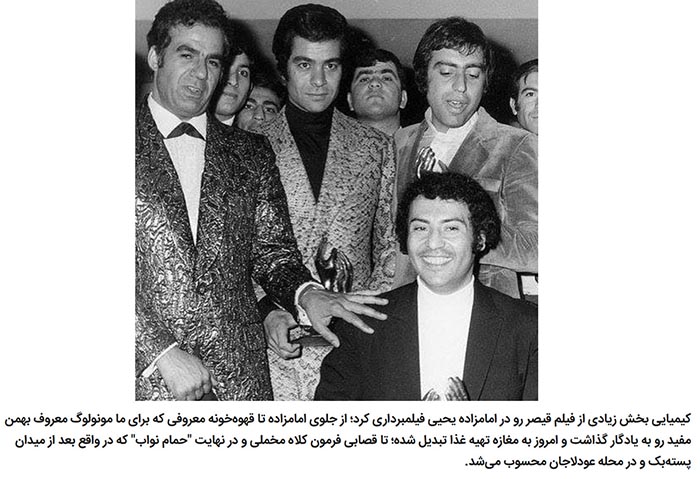
The Cultural Tapestry of Imamzadeh Yahya Passage
The Imamzadeh Yahya Passage is more than just a route through Tehran; it embodies the cultural exchanges and historical transformations that have shaped Iranian society. This passage reflects the interplay between tradition and modernity, highlighting how urban spaces can maintain their heritage while evolving with the times.
Significance of Local Architecture and Preservation
The architectural features of the Imamzadeh Yahya Passage offer significant insights into the craftsmanship and artistic styles prevalent in previous centuries. The intricate carvings of the Imamzadeh mausoleum evoke the skilled artistry synonymous with the Qajar period while also echoing earlier Mongol influences. Efforts to preserve such architectural nuances are crucial not only for historical preservation but also for educational purposes, allowing future generations to appreciate the depth of Iranian architectural heritage.
The challenges of urbanization pose a continuous threat to many historical sites across Tehran, including the Imamzadeh Yahya Passage. Urban planners and local government authorities must navigate the delicate balance between development and preservation. Sustainable practices that preserve historical neighborhoods and integrate them into the modern cityscape can enhance both local culture and tourism.
Community Engagement in Heritage Preservation
The local community plays a pivotal role in preserving the Imamzadeh Yahya Passage. Engaging residents in the conversation around cultural heritage fosters a sense of ownership and responsibility towards their historical environment. This community involvement can take many forms, from grassroots advocacy and educational programs to collaboration with cultural organizations aimed at safeguarding the passage’s significance.
Cultural events, art exhibitions, and community gatherings in and around the Imamzadeh shrine can raise awareness about the neighborhood’s rich history. By celebrating its culture, residents create a vibrant atmosphere that attracts visitors interested in experiencing the authentic essence of Tehran. The participation of artists, historians, and educators in these initiatives further strengthens the cultural fabric, weaving together personal stories that resonate within the broader historical context.
March 26, 2025 | 8:56 pmMore stories
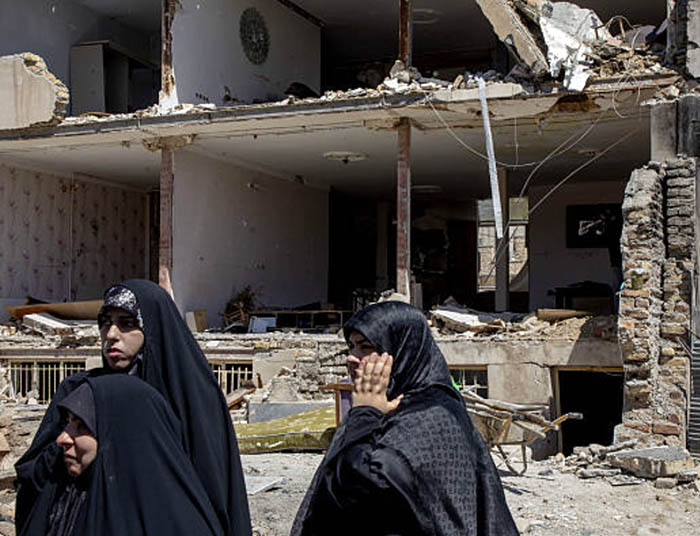
U.S.-Israeli Military Operations: Full Analysis of the 2026 Middle East Conflict
Introduction The escalating conflict involving United States, Israel, and Iran has rapidly evolved into one of the most dangerous geopolitical … Continue reading ➝
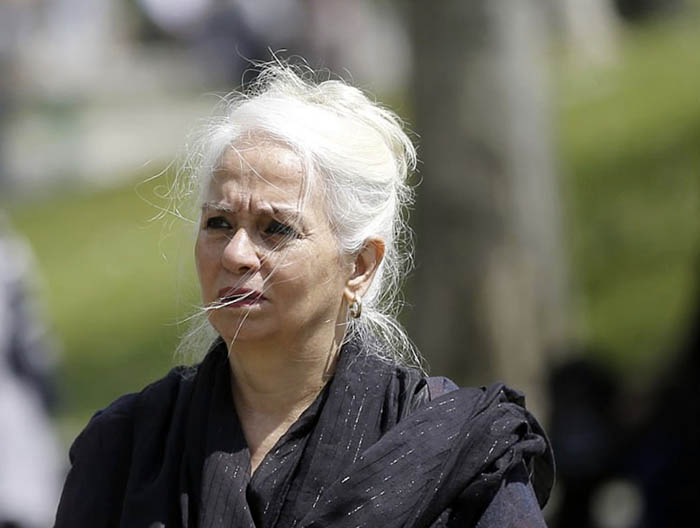
13 Bedar in Tehran: Celebrating Life on the Frontline of War
Introduction In the heart of Tehran, where headlines often speak of geopolitical tension, military escalation, and uncertainty, a different story … Continue reading ➝
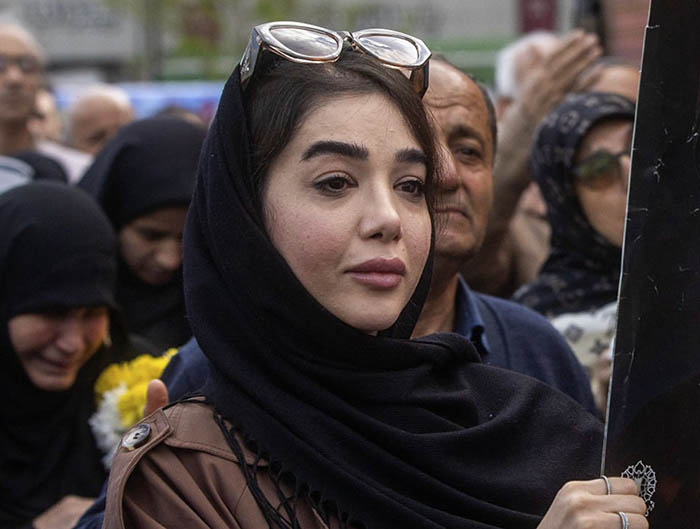
A Mournful Face at Tangsiri’s Funeral: Grief, Power, and Tension in Tehran
Introduction The image of a mournful face at the funeral of Alireza Tangsiri has become one of the most haunting … Continue reading ➝
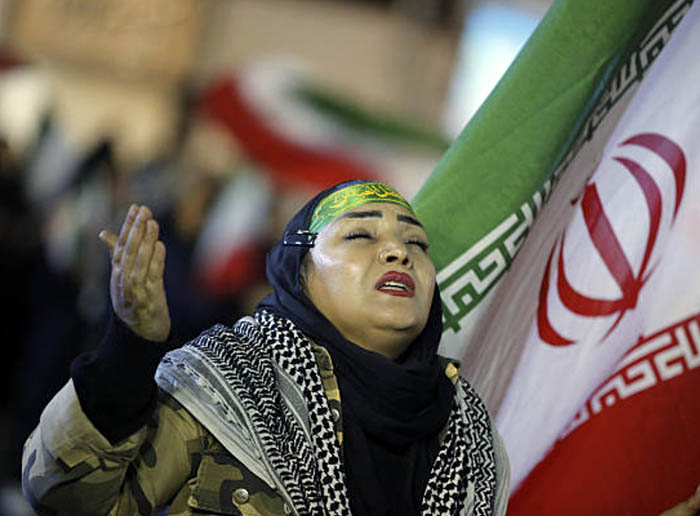
Israeli and U.S. Attacks on Spark Mass Protests in Tehran: Rising Middle East Tensions in 2026
Introduction In a dramatic escalation of tensions in the Middle East, mass protests erupted in Tehran following reports of coordinated … Continue reading ➝
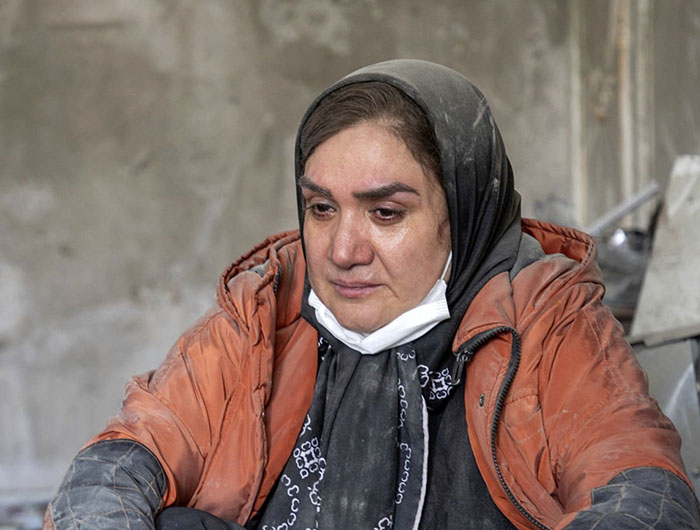
The Sorrow of Destruction in West Tehran: Inside the Human Cost of the War
Introduction The city of Tehran woke to devastation on March 30, 2026. In the western districts of Iran’s capital, residential … Continue reading ➝