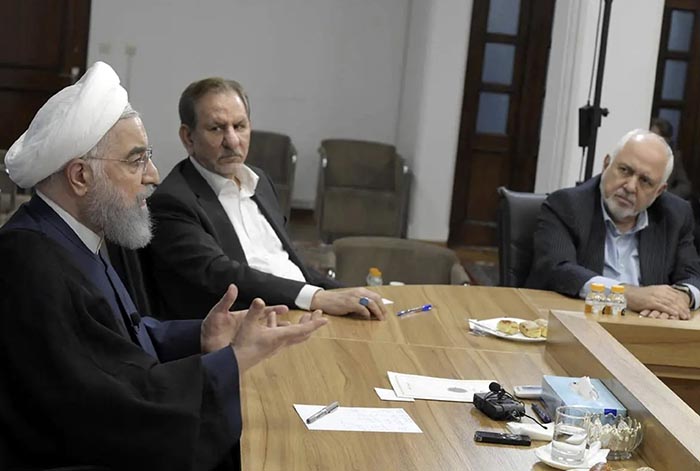
Hassan Rouhani Meets with Former Ministers and Deputies from the 11th and 12th Governments
Background: The Political Context of Iran in 2025
The Evolution of Iran’s Political System
Iran’s political landscape has long been characterized by a complex interplay between reformist and conservative factions. The Iranian reform movement, advocating for greater political freedoms, economic liberalization, and improved relations with the West, has historically faced resistance from conservative elements aligned with the Islamic Revolutionary Guard Corps (IRGC) and hardline clerics.
The 11th and 12th Iranian Presidential Terms
During the 11th government (2013–2017), Hassan Rouhani, representing the reformist camp, sought to implement Iranian economic reform, nuclear deal negotiations (JCPOA), and diplomatic engagement with Western powers. His administration faced significant challenges from conservative factions opposed to the nuclear agreement and economic liberalization policies.
The 12th government (2017–2021) continued many of these policies but also faced increased sanctions, economic hardships, and domestic protests. Rouhani’s tenure was marked by efforts to maintain Iranian political stability, manage regional conflicts, and navigate Iran Iraq relations amidst escalating tensions.
The Post-Rouhani Political Environment
Following Rouhani’s presidency, Iran’s political scene has been marked by internal debates over reform versus conservatism, economic challenges, and regional security issues. The election of President Ebrahim Raisi in 2021, a conservative figure, intensified the ideological divide, prompting speculation about the future direction of Iran’s domestic and foreign policy.
November 29, 2025 | 10:27 pm