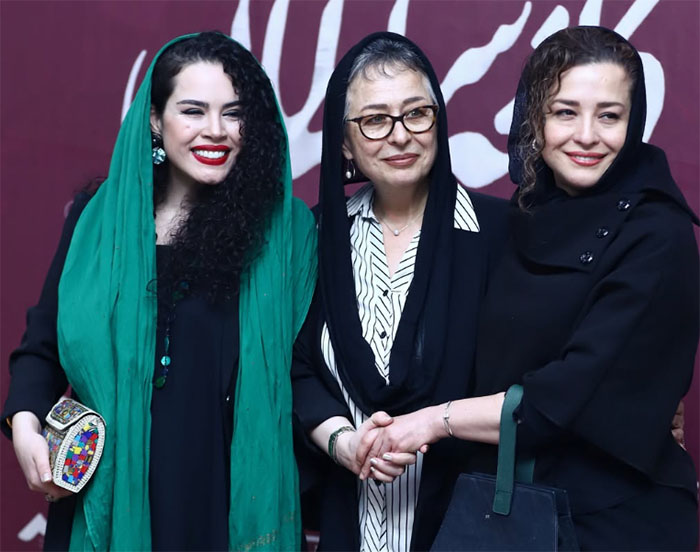
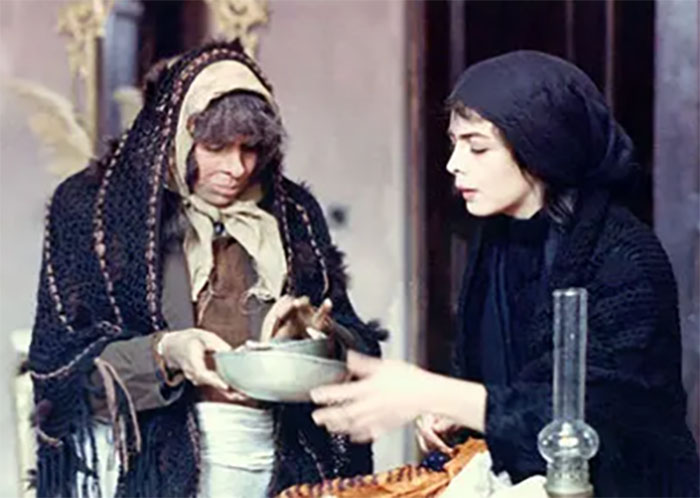
Golshifteh Farahani at Marjane Satrapi Funeral in Paris: Artists Remember the Legacy of Persepolis Creator
Marjane Satrapi became famous worldwide through Persepolis, a deeply personal work that explored her childhood in Iran during the Islamic Revolution, her experiences growing up between different cultures, and her search for identity in a changing world. The graphic novel became a landmark work in modern literature and was later adapted into an animated film that received international recognition.
The story of Persepolis resonated because it was not only about politics or history. At its heart, it was about family, youth, rebellion, belonging, and the challenges of understanding oneself in a world shaped by social and political forces. Satrapi used simple black-and-white illustrations and powerful storytelling to present complex emotions and historical events in a way that reached millions of readers and viewers.
Her passing marked the loss of one of the most recognizable Franco-Iranian cultural figures of her generation. Tributes came from writers, filmmakers, activists, and public figures who recognized the importance of her contribution to global conversations about human rights, artistic freedom, and cultural identity.
The connection between artists often goes beyond professional relationships. They share experiences of creating, adapting, and expressing ideas in societies that may not always understand their perspectives. Satrapi’s career reflected the challenges and rewards of being an artist with a multicultural identity.
Many Iranian artists working internationally have spoken about the importance of maintaining a connection to their heritage while engaging with global audiences. Satrapi became one of the strongest examples of this balance.
Her work showed that cultural identity is not fixed. A person can belong to multiple places, languages, and traditions at the same time. This message became one of the reasons her stories connected with so many people.
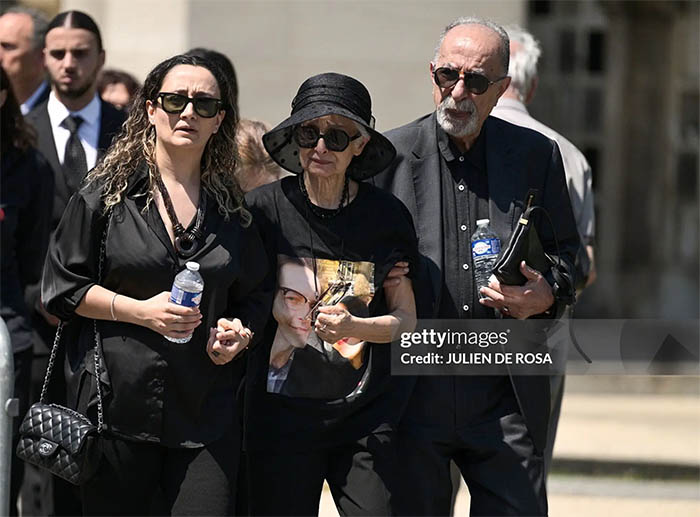
The emotional scenes at Père Lachaise Cemetery reflected the significance of her contribution. The presence of portraits, books, and personal memories showed that her art had become part of people’s lives.
For readers of Persepolis, Satrapi was not simply an author or filmmaker. She was a storyteller who gave voice to experiences that many people recognized in their own lives.
Her ability to combine humor with serious reflection made her work especially powerful. She showed that difficult moments could be remembered, questioned, and transformed through creativity.
The funeral became a moment where the artistic community recognized not only what Satrapi created but also the courage required to create it.
June 19, 2026 | 8:43 pm