Global Movements for Democracy and Civil Liberties: The Power of Diaspora Activism and International Solidarity
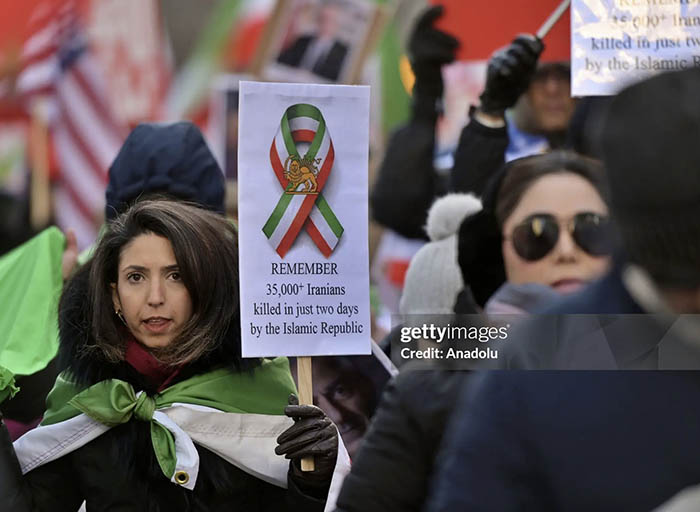
International Solidarity and the Power of Global Demonstrations
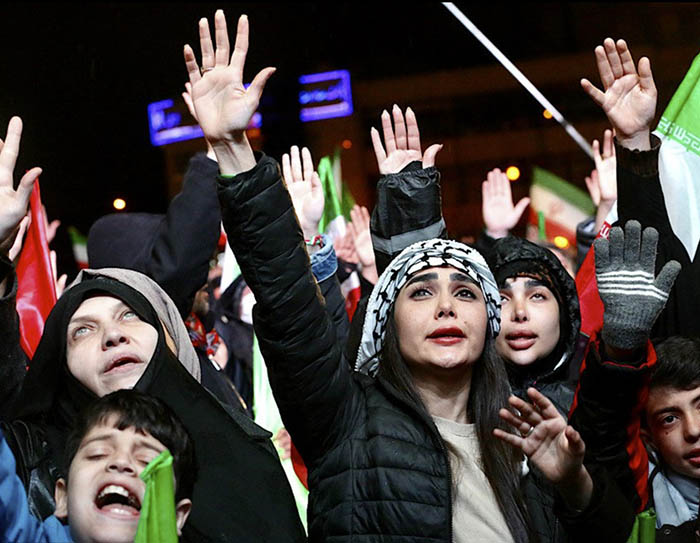
Global protests demonstrate the interconnectedness of citizens fighting for democracy and human rights. When people across nations unite in support of a common cause, they send a compelling message: that oppressive regimes are not isolated, and international communities are watching.
Significance of International Solidarity
- Raising Global Awareness: Demonstrations in global cities attract media attention, informing the world about ongoing struggles.
- Applying Diplomatic Pressure: Large-scale protests can influence foreign governments to adopt sanctions, impose diplomatic measures, or support opposition movements.
- Building Networks of Support: International solidarity fosters cooperation among NGOs, political parties, and civil society organizations.
- Symbolic Support for Oppressed Populations: Unity across borders demonstrates moral backing for those risking their lives for democracy.
Common Features of International Demonstrations
- Peaceful Nature: Peaceful protests maintain moral high ground, garnering broader support domestically and internationally.
- Use of Symbols and Slogans: Flags, banners, chants, and slogans create recognizable identities for movements.
- Strategic Locations: Demonstrations often take place in front of government buildings, embassies, and landmarks to maximize visibility.
- Media Engagement: Activists utilize traditional and social media to broadcast their messages worldwide.