Global Movements for Democracy and Civil Liberties: The Power of Diaspora Activism and International Solidarity
The Surge of Global Protest Movements
Over the past decade, the world has experienced a remarkable surge in protest activity. Social media platforms like Twitter, Facebook, and Instagram serve as powerful tools for mobilization, enabling activists to organize rallies, share messages, and garner international attention swiftly and efficiently. This digital revolution has democratized activism, making it accessible for ordinary citizens to participate regardless of their geographic location.
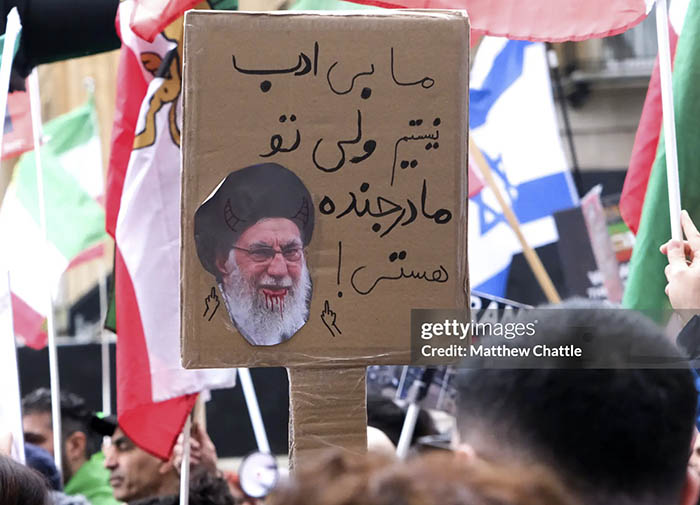
These protest movements often emerge as responses to oppressive governments, corruption, economic inequality, and restrictions on fundamental freedoms. Citizens demand accountability, transparency, and democratic reforms, often risking personal safety to voice their discontent. The proliferation of peaceful demonstrations underscores the resilience of civil society and its capacity to challenge entrenched power structures.
Key Drivers of International Protest Movements
- Authoritarian Rule: Citizens rally against long-standing authoritarian regimes that suppress opposition, restrict free expression, and manipulate electoral processes.
- Corruption and Economic Hardship: Economic crises, widespread corruption, and inequality fuel public discontent, prompting demands for transparency and reform.
- Civil Liberties and Human Rights: Violations of civil liberties, such as freedom of speech, assembly, and press, motivate citizens to protest and seek international support.
- Global Connectivity: The interconnectedness facilitated by digital media allows protest movements to transcend borders, encouraging solidarity among diverse populations.