Global Anti-American Sentiment and Political Protest Movements: A Comprehensive Analysis
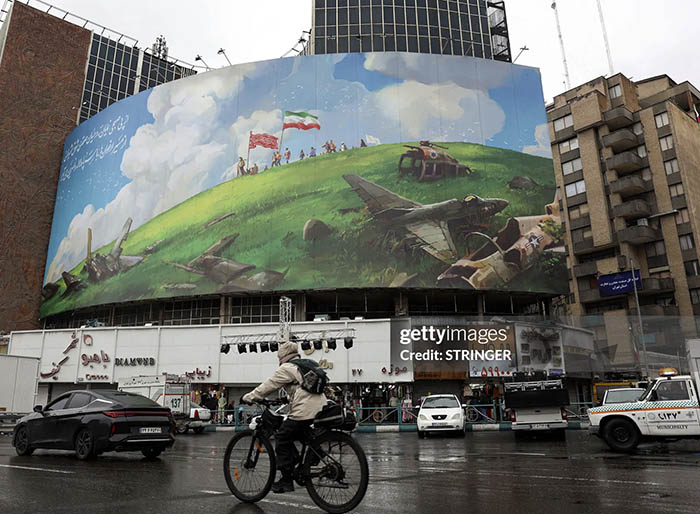
The Strategies Behind Anti-US Protest Movements
Grassroots Mobilization and Community Engagement
Many anti-US protests originate from grassroots movements that mobilize local communities through door-to-door campaigns, local gatherings, and community meetings. These grassroots efforts are vital in building momentum and ensuring the protests reflect genuine public sentiment.
Use of Visual Symbols and Artistic Expression
Visual symbols—such as banners, murals, graffiti, and posters—are central to anti-US protests. They serve as powerful tools for conveying messages succinctly and emotionally. Artists often create murals depicting US military interventions with provocative slogans, turning public spaces into canvases of resistance.
Social Media and Digital Campaigns
In the digital age, social media platforms like Twitter, Facebook, TikTok, and Instagram have revolutionized protest organization. Hashtags such as #EndImperialism, #USOut, or country-specific tags trend globally, amplifying local grievances and attracting international support.
Civil Disobedience and Mass Demonstrations
Large-scale demonstrations, sit-ins, and civil disobedience are common tactics. These mass protests often include symbolic acts—such as burning US flags, tearing down banners, or occupying US diplomatic missions—to emphasize their messages.
Political Alliances and International Solidarity
Protest movements often form alliances with political parties, labor unions, student groups, and international organizations to broaden their impact. International solidarity campaigns may include global protests coordinated across multiple countries on specific dates.
February 4, 2026 | 9:32 pmMore stories
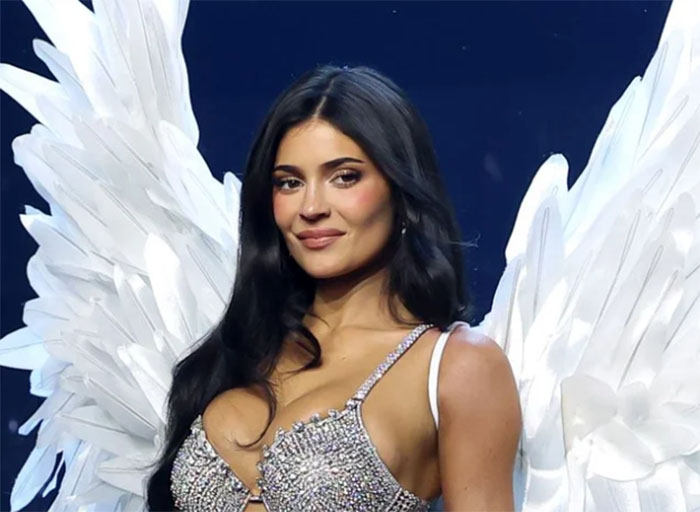
Kylie Jenner Makes Victoria’s Secret Fashion Show Debut in $50 Million Fantasy Bra
Introduction Babak Takhti is an Iranian writer, publisher and the only son of Gholamreza Takhti, the legendary Iranian freestyle wrestler … Continue reading ➝
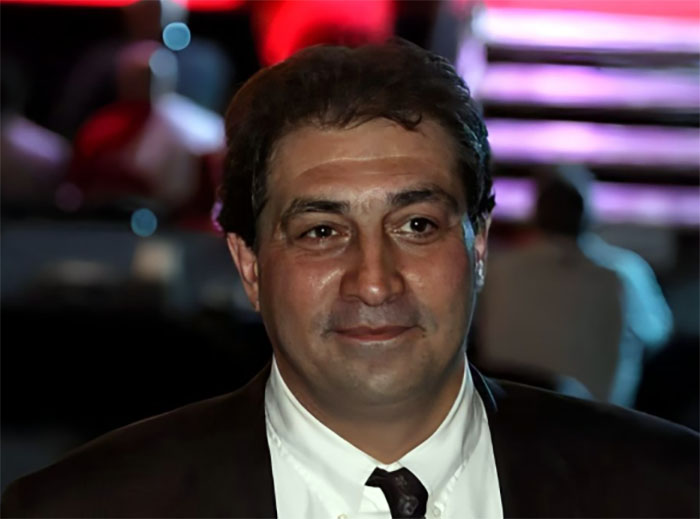
Who Is Babak Takhti? Gholamreza Takhti’s Only Son, His Family, Career, and His Father’s Controversial Death
Introduction Babak Takhti is an Iranian writer, publisher and the only son of Gholamreza Takhti, the legendary Iranian freestyle wrestler … Continue reading ➝
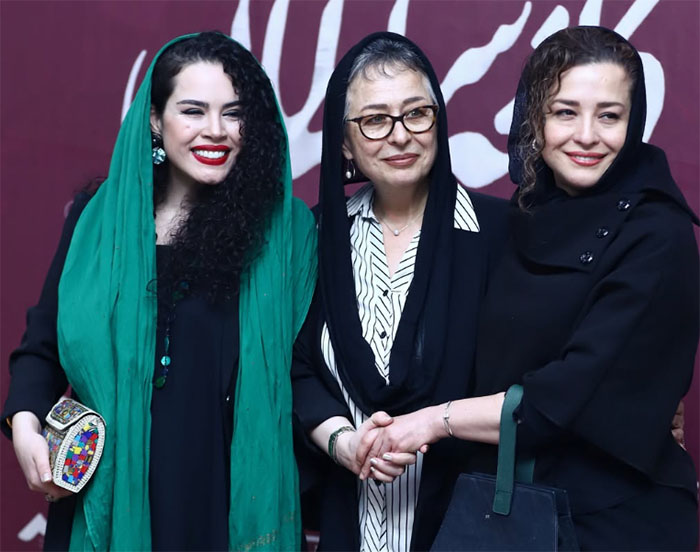
Azita Hajian, Mehraveh Sharifinia and Melika Sharifinia Attend Cafe Soltan Private Screening at Megamall Cinema
Introduction The private screening of Cafe Soltan, the Iranian feature film directed by Mostafa Razagh-Karimi and produced by Morteza Razagh-Karimi, … Continue reading ➝

Bot (Bet) Movie: Hamid Nematollah’s Drama Holds Private Screening at Galleria Cinema Complex
Introduction The Iranian social drama Bot, also transliterated as Bet and associated with the English title Idol, has attracted attention … Continue reading ➝
10 Fascinating Stories About Most Famous Actresses: Behind-the-Scenes Secrets From Iconic Films and TV Shows
Introduction 1. Gohar Kheirandish in Banoo: The Makeup That Could Not Hide Her Beauty Film: Banoo (The Lady) Director: Dariush … Continue reading ➝