Gil-Mali Ritual: The Ancient Mud-Covering Tradition During Ashura Mourning for Karbala Martyrs

Misunderstandings About Ashura Rituals
Because Ashura ceremonies vary widely across different cultures, outsiders sometimes misunderstand certain practices.
Some people seeing Gil-mali for the first time may interpret it only as an unusual physical act. However, understanding the historical and cultural background reveals its deeper meaning.
The ritual is not performed randomly. It is connected to:
- centuries of religious memory
- community identity
- respect for Karbala
- expressions of mourning
Like many cultural traditions around the world, the meaning exists within the community that practices it.
June 25, 2026 | 9:06 pmMore stories

Hossein Kheirandish: Traditional Medicine Controversies, Cupping Research Institute, University Dispute and Arrest
Introduction Hossein Kheirandish is an Iranian promoter of traditional medicine who has attracted considerable public attention through his activities in … Continue reading ➝
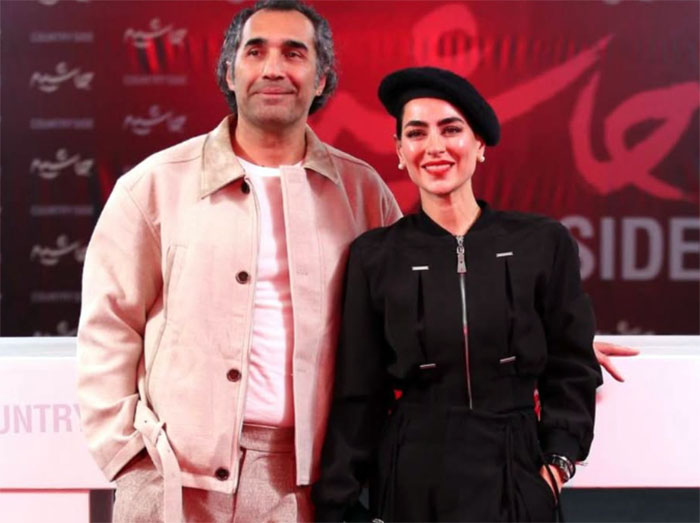
Hadi Kazemi Celebrates His Birthday with Wife Samaneh Pakdel and Mohammadreza Alimardani at Hashiyeh Film Screening
Introduction Hadi Kazemi’s birthday celebration became a memorable moment during the screening of the film Hashiyeh at Charsou Cineplex. The … Continue reading ➝

Googoosh Stuns in a Black Naeem Khan Gown at Los Angeles Gala: A Look at Her Elegant Red Carpet Style
Introduction Googoosh once again demonstrated why she remains one of the most recognizable and influential figures in Iranian music and … Continue reading ➝
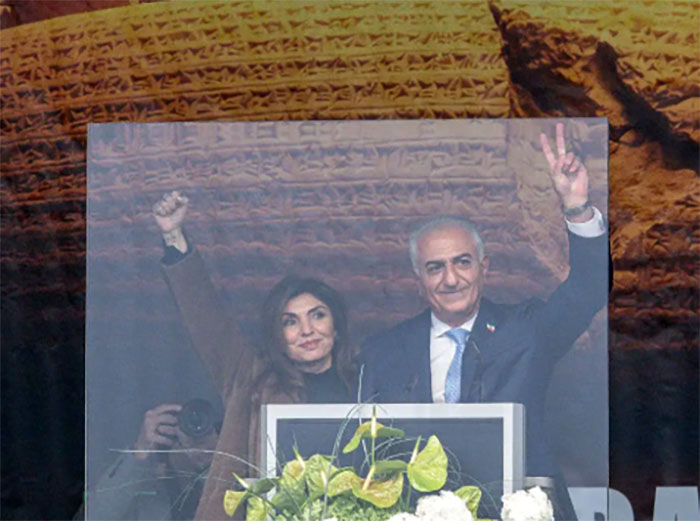
Reza Pahlavi Receives 2026 Freedom Prize in Frankfurt as Thousands of Demonstrate in Germany
Introduction Thousands of members of the Iranian diaspora and supporters of exiled Crown Prince Reza Pahlavi gathered in Frankfurt on … Continue reading ➝

Hamid Alidoosti Memorial Service: Football Legend, Career, Family and Legacy
Introduction Hamid Alidoosti, the former national football player, respected coach and veteran figure of Iranian football, has died at the … Continue reading ➝