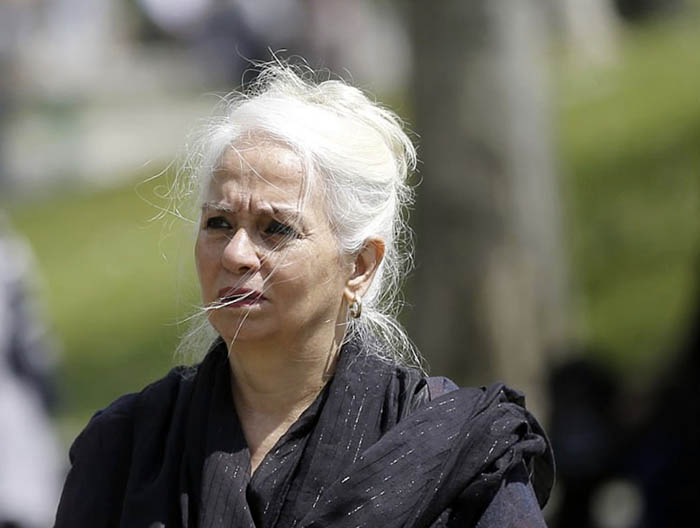
Political Figures at the Funeral of Fatemeh Mossadeghi Rad: Gholam-Ali Haddad Adel, Politicians, Tehran Noor Mosque Memorial

Background of Gholam-Ali Haddad Adel and Majid Haddad Adel
Gholam-Ali Haddad Adel: A Pillar of Iran’s Conservative Politics
Born in Tehran on May 9, 1945, Gholam-Ali Haddad Adel has been a prominent figure in Iran’s political landscape for decades. His career spans academic, cultural, and legislative sectors, marking him as one of Iran’s most influential conservative politicians.
Early Life and Education
Haddad Adel was born in a business family in Tehran, which provided him with a solid socio-economic background. He pursued higher education in physics, earning a bachelor’s degree from the University of Tehran and a master’s from the University of Shiraz. Later, his academic pursuits led him to achieve a PhD in philosophy from the University of Tehran in 1975, where he studied under influential scholars such as Morteza Motahhari and Sayyed Hossein Nasr.
His academic background in philosophy and Islamic studies shaped his ideological stance, aligning him with conservative and principlist currents within Iran.
Political Career
Following the 1979 Iranian Revolution, Haddad Adel became deeply involved in the new political order. He initially served as deputy culture and Islamic guidance minister and later as deputy education minister from 1982 to 1993. His focus on cultural and religious affairs positioned him as a key figure in shaping Iran’s ideological policies.
In the 1990s and 2000s, Haddad Adel’s influence grew, culminating in his election to the Iranian Parliament (Majlis) for multiple terms. Notably, he was elected as Speaker of the Parliament in 2004, becoming the first non-cleric to hold this position since the revolution, symbolizing a shift within Iran’s political establishment.
He has also been a member of the Expediency Discernment Council, the High Council of Cultural Revolution, and the Islamic Encyclopedia Foundation, reflecting his broad influence across cultural, legislative, and ideological institutions.
Political Ideology and Influence
Haddad Adel is widely regarded as a conservative principlist, advocating for the preservation of Iran’s Islamic Revolution ideals, resistance to Western influence, and strengthening of religious authority in governance. His stance aligns with that of Iran’s Supreme Leader, Ayatollah Ali Khamenei, and he often acts as a bridge between the political and religious spheres.
Majid Haddad Adel: The Emerging Political Profile
Majid Haddad Adel, son of Gholam-Ali, has also carved out a notable political career, aligning with the conservative and principlist factions. While less internationally prominent than his father, Majid has been involved in Iran’s political machinery, supporting conservative policies and alliances.
His participation in political events, local governance, and ideological advocacy contributes to the continuity of the Haddad Adel family’s influence within Iran’s political elite.
September 27, 2025 | 1:53 pmMore stories
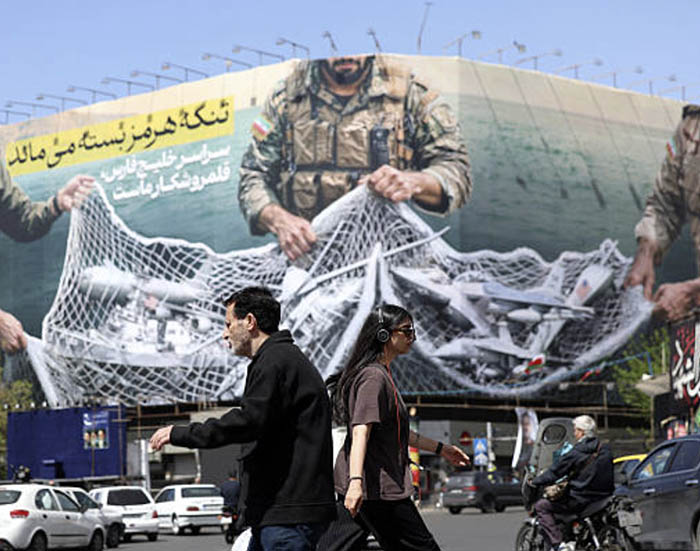
Strait of Hormuz Crisis 2026: Propaganda Posters in Enghelab Square
Introduction In the heart of Tehran, specifically at Enghelab Square, a massive propaganda banner has emerged as one of the … Continue reading ➝
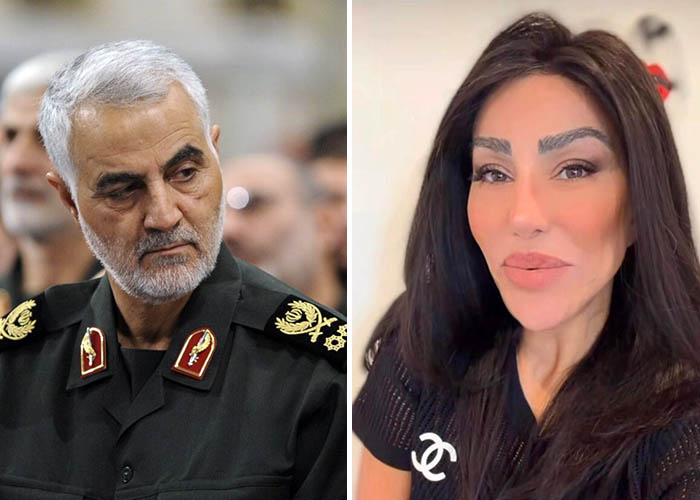
US State Department Arrests Relative of Qassem Soleimani: Immigration Crackdown, National Security Concerns
Introduction The recent announcement by the United States Department of State regarding the arrest and revocation of permanent residency for … Continue reading ➝
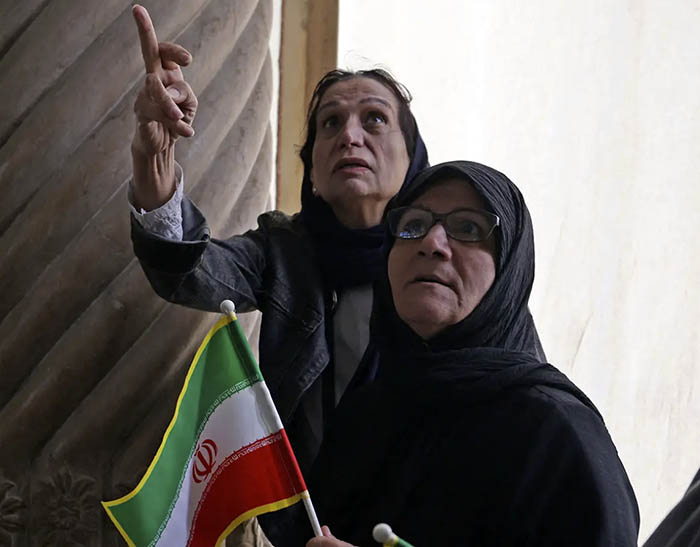
Damage to Golestan Palace Amid Iran–Israel–US Conflict: Cultural Heritage at Risk
Introduction The unfolding Iran–Israel–US conflict in 2026 has not only intensified geopolitical tensions in the Middle East but has also … Continue reading ➝
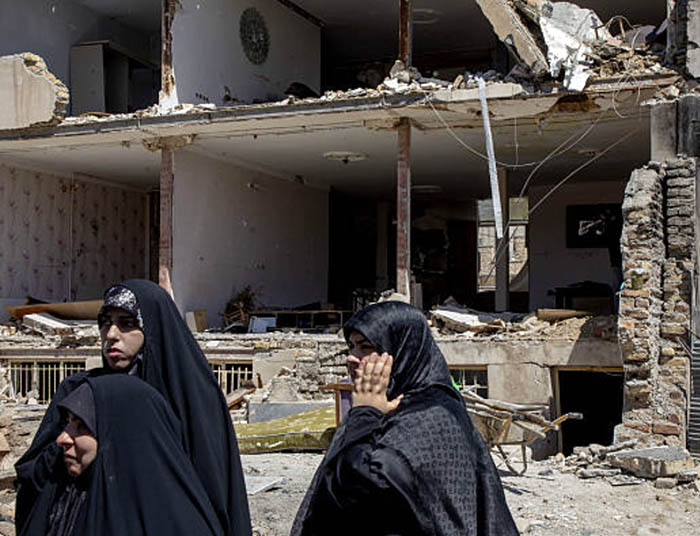
U.S.-Israeli Military Operations: Full Analysis of the 2026 Middle East Conflict
Introduction The escalating conflict involving United States, Israel, and Iran has rapidly evolved into one of the most dangerous geopolitical … Continue reading ➝
13 Bedar in Tehran: Celebrating Life on the Frontline of War
Introduction In the heart of Tehran, where headlines often speak of geopolitical tension, military escalation, and uncertainty, a different story … Continue reading ➝