The Controversy Over Women’s Rights: The Case of Finnish Foreign Minister Elina Valtonen and Media Practices
Section 4: Diplomatic and Geopolitical Implications
4.1 Reactions from Finland and Western Countries
Include official statements from Elina Valtonen, the Finnish government, EU officials, and other Western leaders condemning censorship.
4.2 Iran’s Strategic Media Response
Analyze Iran’s framing of the incident internally and how the regime uses media control to project an image aligned with societal norms.
4.3 Future Outlook for Iran-Finland Relations and Gender Rights Advocacy
Predict potential diplomatic consequences, ongoing gender rights debates, and the role of international pressure.
Section 5: Broader Themes — Gender Rights, Media Censorship, and Global Diplomacy
5.1 Global Movements for Women’s Visibility
Compare Iran’s practices with other countries where women fight for visibility and rights under restrictive regimes.
5.2 The Power and Pitfalls of Media Manipulation
Discuss how media manipulation influences global perceptions and the importance of transparency.
5.3 International Human Rights Advocacy
Highlight the efforts of organizations like UN Women, Amnesty International, and NGOs advocating for gender equality and media freedom.
Conclusion
Summarize the key insights regarding media censorship, women’s rights, and diplomatic relations. Reflect on the importance of international solidarity and the need for transparency and respect for gender equality in fostering peaceful and constructive global relations.
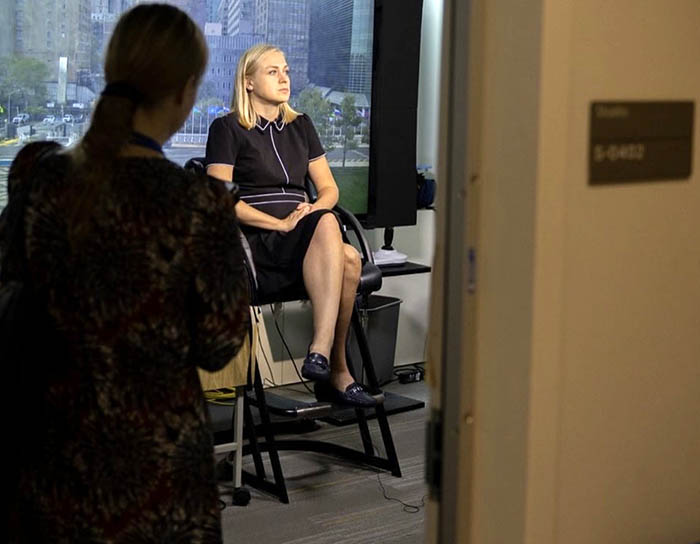
In recent weeks, a diplomatic incident involving Finnish Foreign Minister Elina Valtonen and Iran’s state broadcaster IRIB has ignited widespread controversy across international media, social platforms, and diplomatic corridors. During a high-profile meeting on the sidelines of the United Nations General Assembly, IRIB broadcasted the event but chose to blur the legs of Minister Valtonen, an act widely condemned as a form of media censorship rooted in Iran’s strict societal and religious norms concerning women’s appearance.
While the diplomatic discussions focused on vital issues such as regional security, nuclear negotiations, and bilateral cooperation, the media’s focus was diverted by the controversy over Valtonen’s attire and the censorship of her image. Critics from Western nations, human rights advocates, and feminist groups have condemned Iran’s actions, viewing them as emblematic of broader systemic restrictions on women’s visibility and rights within Iran.
Elina Valtonen responded publicly, describing the censorship as “sad” and reflective of Iran’s ongoing restrictions on women’s visibility and autonomy. Her stance underscores a broader struggle for gender equality and women’s rights in Iran, where media censorship and societal restrictions serve to marginalize women and suppress their voices.
This incident not only highlights issues of media manipulation and gender politics but also poses significant questions about the impact on Iran’s diplomatic relations with Western countries. It underscores the importance of transparency, respect for human rights, and the need for international advocacy to challenge restrictive societal norms.