Public Screening of the Final Episode of “Be’Atefeh” at Kourosh Cinema Campus
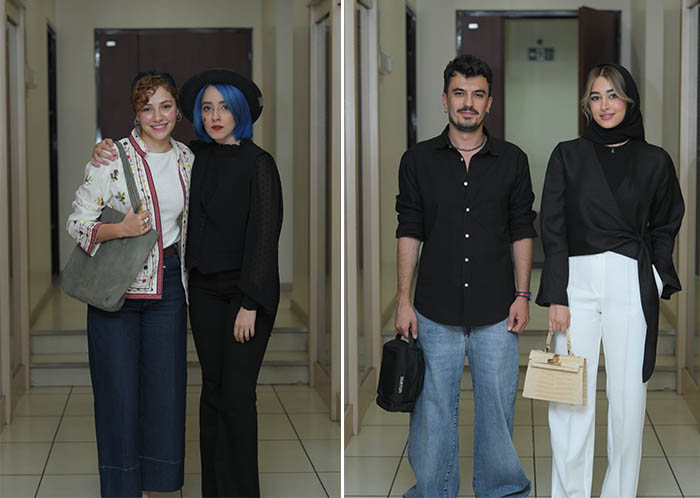
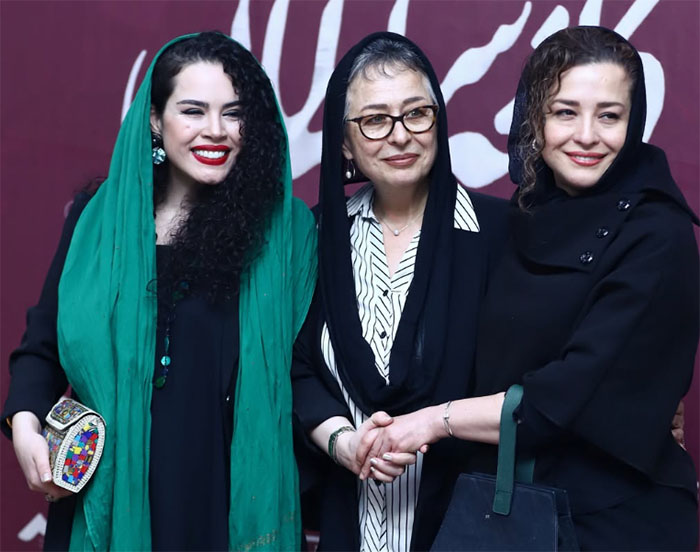
The presence of the cast added another layer of meaning to the event. Actors such as Reza Kianian and Marjaneh Golchin were met with visible enthusiasm from the audience, reflecting the strong recognition they had gained through their roles in the series. Their attendance was not merely ceremonial; it functioned as a bridge between the fictional world of the series and the real-world audience who had followed their performances closely. In many ways, the interaction between cast and fans reinforced the idea that modern television storytelling is increasingly collaborative in its cultural impact, shaped equally by creators and viewers.
Following the screening, conversations among attendees continued to revolve around interpretation and emotional response. Some viewers discussed the narrative choices made in the final episode, particularly how the story resolved its central conflicts and character arcs. Others focused on the performances, highlighting how certain scenes achieved their emotional effect through subtle acting rather than dramatic exposition. This kind of post-viewing discussion has become a defining feature of contemporary series culture, especially for productions distributed through digital platforms like Filmnet.
The role of Filmnet in producing and distributing “Be’Atefeh” is also an important part of the series’ success story. As a streaming platform, Filmnet has increasingly positioned itself as a space for original Iranian content that can compete with traditional television productions. “Be’Atefeh” is a clear example of this strategy, as it combined high production values with a serialized format designed for sustained viewer engagement. The popularity of the series suggests that audiences are receptive to this model, especially when it offers emotionally driven storytelling with strong character development.
June 11, 2026 | 11:07 pm