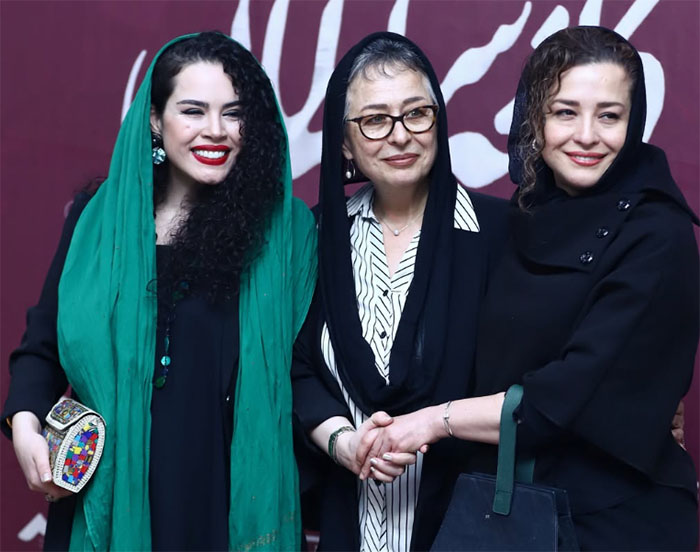
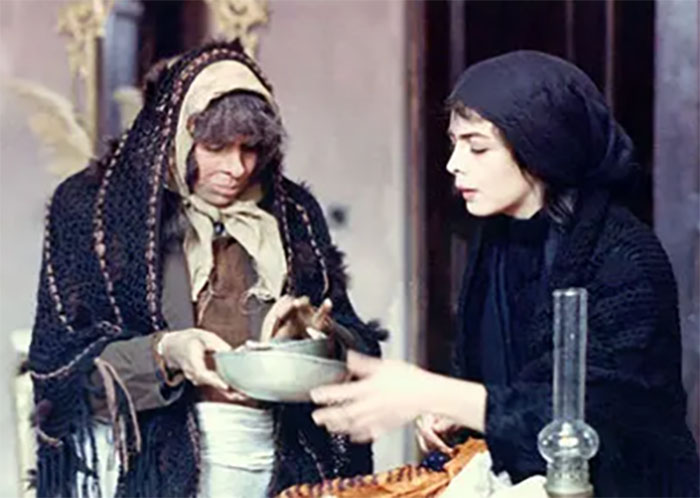
Public Screening of the Final Episode of “Be’Atefeh” at Kourosh Cinema Campus
The significance of the final screening of “Be’Atefeh” also extends into the broader evolution of Iranian serialized storytelling, where digital platforms have begun to reshape how television narratives are written, distributed, and ultimately experienced. Unlike traditional broadcast television, where episodes are consumed in a fixed schedule, streaming-based productions such as “Be’Atefeh” allow for a more flexible and personalized viewing rhythm. Yet, the decision to bring the final episode into a collective public space at Kourosh Cinema Campus reintroduced a sense of shared temporality that is often missing in on-demand viewing culture.
This tension between private consumption and public celebration is increasingly defining modern entertainment behavior. Audiences today often begin their journey with a series in isolation—on mobile devices, laptops, or home screens—but they increasingly seek communal validation when a story reaches its climax. The emotional weight of a finale, especially for a drama like “Be’Atefeh,” becomes amplified when experienced alongside others who share the same investment in characters and narrative outcomes.
In this case, the audience reaction was not simply about entertainment satisfaction but about emotional closure. Many viewers had followed the series over weeks or months, forming parasocial relationships with the characters. This phenomenon, where audiences develop psychological connections with fictional individuals, plays a significant role in why series finales often generate strong emotional responses. The screening environment transformed those private emotional bonds into a collective experience, where reactions were synchronized across a large audience space.
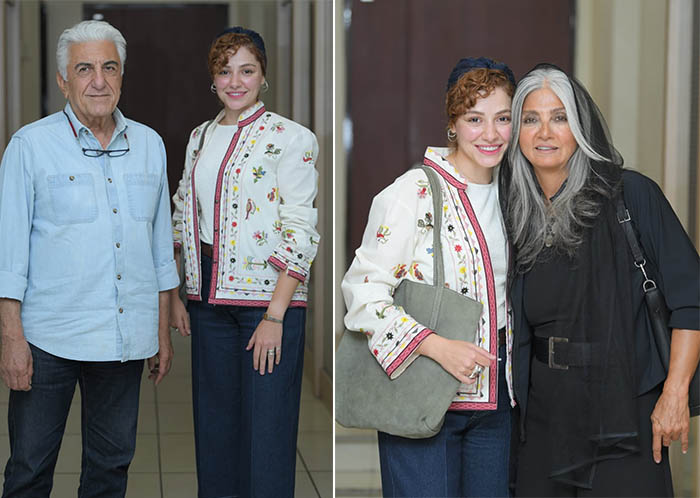
The presence of well-known actors such as Reza Kianian further intensified this effect. When audiences see performers in person after engaging with them through a fictional narrative, the boundary between character and actor becomes momentarily blurred. This creates a layered emotional response: viewers are not only reacting to the story’s conclusion but also to the real-world presence of the individuals who helped bring that story to life. In many ways, this dual recognition enhances the sense of finality, as it bridges fiction and reality in a single shared moment.
The production context of “Be’Atefeh” also reflects a broader shift in Iranian media production strategies. Streaming platforms like Filmnet have increasingly invested in serialized content that prioritizes long-form character development and emotionally driven storytelling. Unlike shorter episodic formats, this structure encourages deeper audience investment over time. As a result, final episodes carry significantly more narrative and emotional weight, often functioning as the culmination of complex thematic arcs rather than simple plot resolutions.
This structural design is one of the reasons why the final screening generated such strong engagement. The audience was not merely concluding a single episode; they were concluding an entire emotional journey that had been carefully constructed over the course of the series. The pacing, character development, and narrative layering all contributed to a sense of gradual immersion that reached its peak at the final screening event.