Fighter Pilot Salary Worldwide: Benefits, Comparison with Civilian Pilots & Career Insights
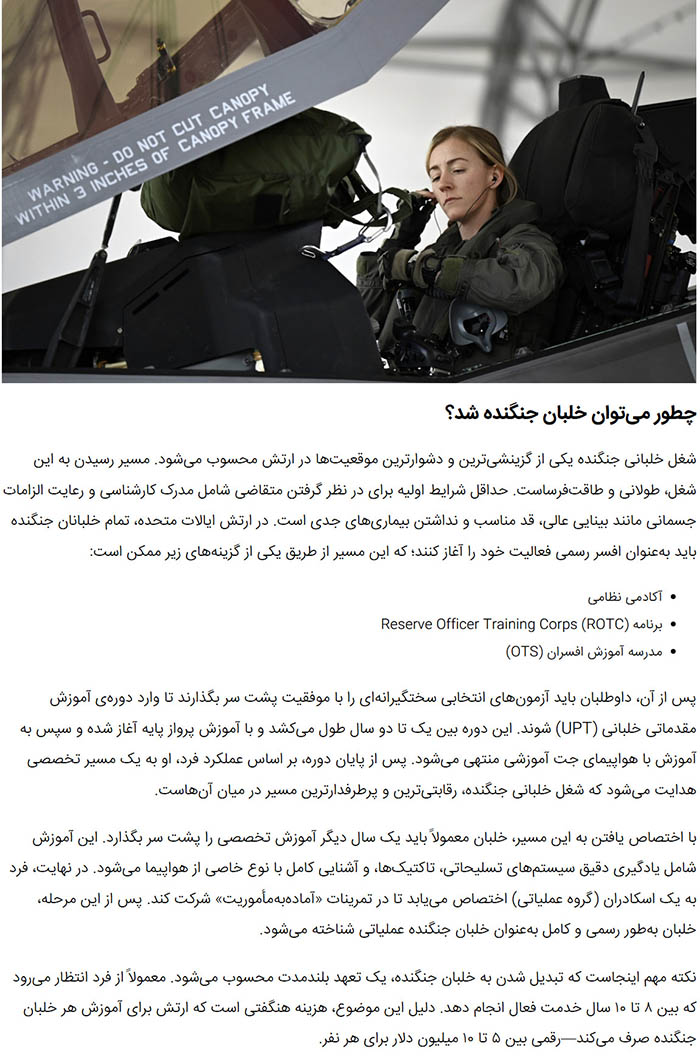
Challenges and Risks of Being a Fighter Pilot
- Physical Demands: G-LOC (G-force-induced loss of consciousness), high G-forces, and physical endurance.
- Mental Stress: High-pressure decision making, combat exposure.
- Operational Risks: Danger during combat, technical failures.
- Irregular Hours & Deployments: Long periods away from family, unpredictable schedules.
- Psychological Strain: Combat stress, risk of injury or death.
Comparison: Fighter Pilots vs Civilian Airline Pilots
| Aspect | Fighter Pilots (Military) | Civilian Airline Pilots |
|---|---|---|
| Starting Salary | $60,000 – $80,000 | $113,000 – $126,000 (First-year copilots) |
| Mid-Career Salary | $100,000 – $140,000 | $300,000 – $350,000 (Captains at major airlines) |
| Top Salary | Over $140,000 | Over $400,000 in senior roles |
| Benefits | Housing, medical, pension, hazardous duty pay | Medical, dental, retirement, profit sharing |
| Work Hours | Irregular, deployment-based | Scheduled flights, predictable hours |
| Job Security | High in military, risk of deployment | Generally stable, dependent on airline health |
| Work Environment | Military aircraft, combat zones | Commercial aircraft, passenger safety |
Motivation & Lifestyle: Military pilots often serve for patriotism and adventure, while airline pilots seek career stability and higher income.
Real-Life Stories & Insights from Fighter Pilots
Many active fighter pilots share their experiences emphasizing the thrill, discipline, and sense of duty involved. Salaries vary but are supplemented significantly by benefits, allowances, and the pride of service. Their stories often highlight the demanding nature of the job but also the unmatched career fulfillment.
Conclusion
Becoming a fighter pilot is a prestigious, demanding, and rewarding career choice. Salaries vary across the globe, with the highest paying countries like the U.S., UK, and Australia offering competitive compensation packages complemented by extensive benefits. Despite the high income potential, the profession involves significant risks, physical demands, and sacrifices.
While military fighter pilots earn considerably less than their civilian counterparts in later stages, their service offers unmatched experiences, benefits, and a sense of national pride. Many pilots transition into civilian aviation careers, where earning potential can reach several hundred thousand dollars annually, especially in senior roles.
Is becoming a fighter pilot worth it? For many, the answer is yes—motivated by patriotism, love of flying, and the thrill of combat. It’s a career that demands excellence, resilience, and dedication, but rewards with prestige, skills, and lifelong memories.
Final Words
If you aspire to join the ranks of fighter pilots, focus on academic excellence, physical fitness, and strategic career planning. The journey is long and challenging but incredibly rewarding for those driven by passion and purpose.