7 Key Highlights from the Extreme Anger of a Representative on the Floor of the Parliament
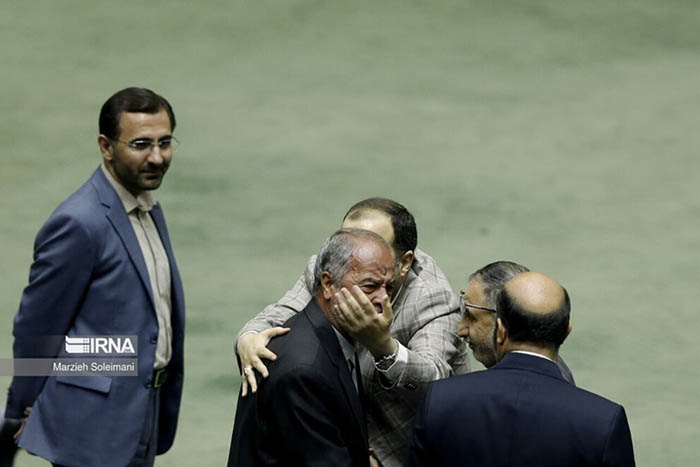
The public’s reaction to the extreme anger displayed during the Islamic Council meeting has been one of heightened interest and engagement. Citizens have expressed their appreciation for the transparency and the robust debate, recognizing that such passionate discussions are vital for a healthy democracy.
In response to the public sentiment, the Islamic Council has pledged to increase the frequency of public meetings and to ensure that they are accessible to all citizens. These meetings will be broadcast live, and recordings will be made available online, providing an opportunity for greater public involvement and scrutiny.
Key Initiatives Following the Meeting
- Enhanced Public Engagement: The council plans to launch a series of town hall meetings across the country, allowing representatives to engage directly with citizens. This initiative aims to bridge the gap between the government and the public, fostering a more inclusive decision-making process.
- Transparency Measures: To build trust and ensure accountability, the council will implement new transparency measures. This includes publishing detailed reports on legislative activities, decisions, and the outcomes of public meetings. These reports will be accessible on the council’s official website.
- Feedback Mechanisms: A structured feedback system will be introduced, enabling citizens to submit their opinions, suggestions, and grievances directly to their representatives. This system will ensure that the public’s voice is heard and considered in the legislative process.
- Educational Campaigns: The council will roll out educational campaigns to inform citizens about the legislative process and their role in it. These campaigns aim to empower the public with knowledge, encouraging more active participation in governance.
More stories
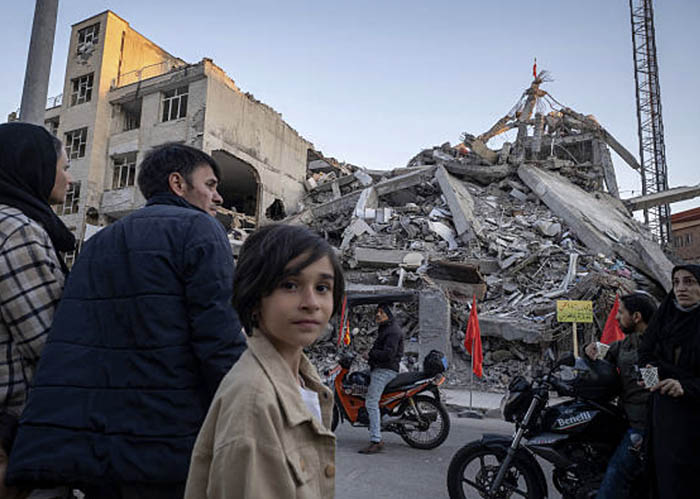
The Islamic Republic’s Instrumental Misuse of War Ruins: Propaganda
Introduction In the aftermath of the March 9 military strikes attributed to joint U.S.-Israeli operations, parts of residential Tehran were … Continue reading ➝
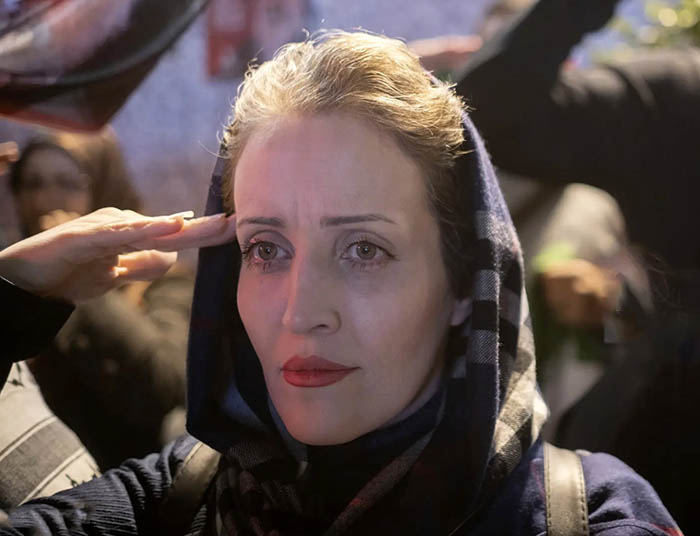
Iran Funeral Ceremony 2026: Rising Tensions After Killing of IRGC Intelligence Chief Majid Khademi
Introduction The funeral ceremony of Majid Khademi, the head of the Islamic Revolutionary Guard Corps (IRGC) Intelligence Organization, has become … Continue reading ➝
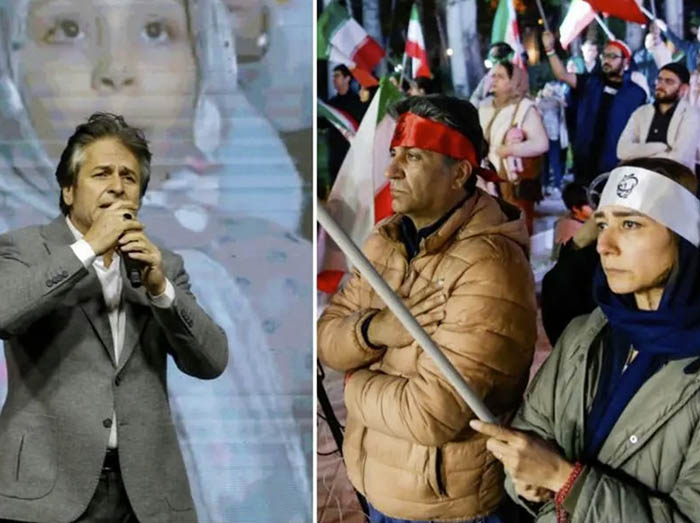
Tajik and Zanko Street Concert in Ferdows Garden: A Powerful Musical Tribute
Introduction On the evening of Tuesday, 18 Farvardin 1405, Ferdows Garden became the heart of an unforgettable cultural moment in … Continue reading ➝
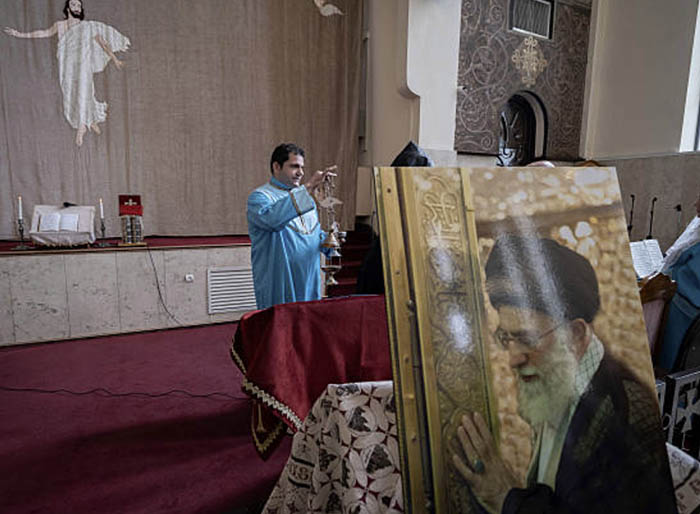
Prayer Ceremony for Late Supreme Leader Ali Khamenei, The bloodthirsty dictator Amid Ceasefire Tensions
Introduction The death of Ali Khamenei on April 8, 2026, has sent shockwaves across Iran and the wider Middle East, … Continue reading ➝
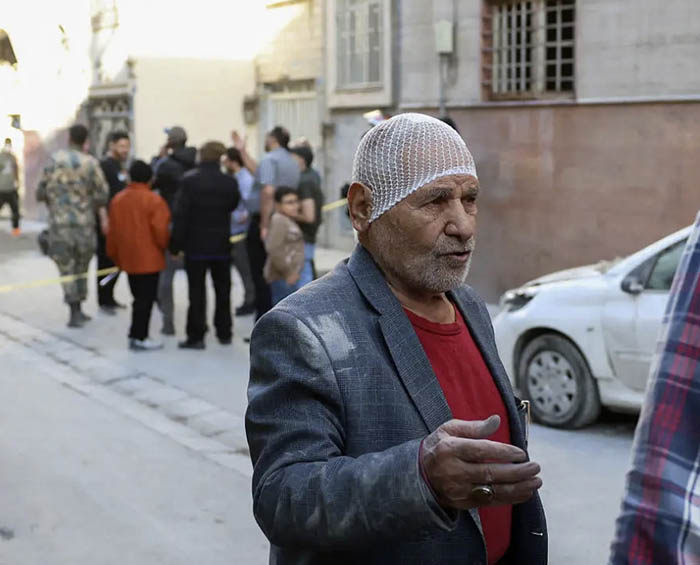
Israeli-American Strikes in Tehran 2026: Synagogue Destroyed Amid Escalating War
Introduction The ongoing conflict between Iran, Israel, and the United States has reached a devastating new chapter. On April 7, … Continue reading ➝