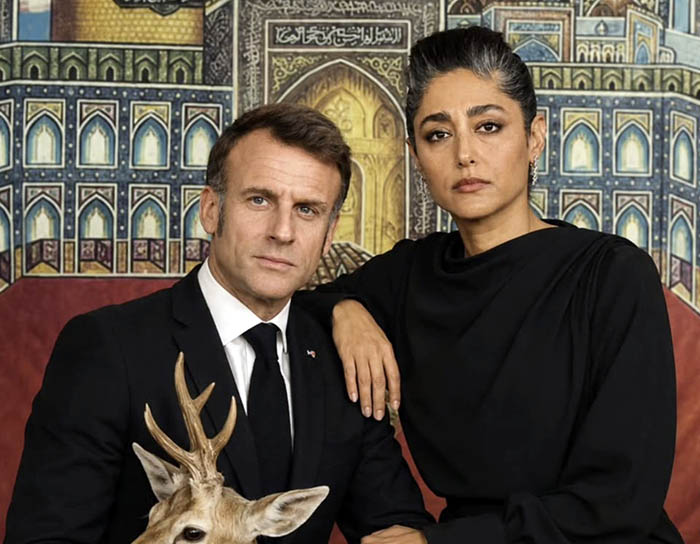
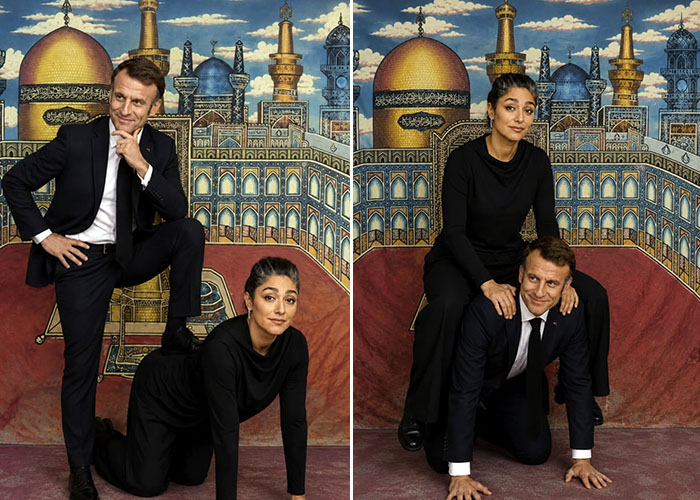
Emmanuel Macron and Golshifteh Farahani Rumors Explained Why the Viral “AI Generated Photos” Joke Took Over Social Media
Media Literacy in the AI Era
The controversy ultimately highlights the urgent importance of media literacy.
As AI-generated content becomes increasingly realistic, audiences must approach viral material critically.
Questions about source credibility, image authenticity, context, and verification are becoming essential parts of digital citizenship.
The Macron-Farahani rumor cycle serves as a case study in how modern misinformation ecosystems function.
A combination of celebrity fascination, political symbolism, AI-generated imagery, algorithmic amplification, and emotional curiosity can rapidly create global viral narratives.
Conclusion
The online rumors connecting Emmanuel Macron and Golshifteh Farahani demonstrate how celebrity culture, political fascination, artificial intelligence, and social media algorithms now interact in complex and unpredictable ways.
Despite widespread online discussion, no verified public evidence has confirmed a romantic relationship between the French president and the Iranian-French actress.
Much of the viral content appears rooted in speculation, satire, memes, edited screenshots, and AI-generated imagery shared across social media platforms.
Yet the controversy became enormously popular because it combined many of the internet’s most powerful attention drivers: celebrity intrigue, political symbolism, alleged private messages, visual content, and emotional ambiguity.
Golshifteh Farahani remains an internationally respected actress known for artistic talent, cultural influence, and personal independence.
Meanwhile, Emmanuel Macron continues to be one of the world’s most discussed political figures online.
The collision of these two public identities created fertile ground for viral internet storytelling.
Most importantly, the story illustrates broader challenges facing modern digital society.
Artificial intelligence now allows realistic fabrication of images and conversations.
Social media algorithms amplify emotionally engaging content regardless of factual accuracy.
Audiences increasingly struggle to distinguish satire, parody, misinformation, and verified reporting.
As AI technology continues evolving, controversies like this are likely to become even more common.
The future of digital culture will depend heavily on media literacy, critical thinking, responsible sharing practices, and stronger public awareness regarding manipulated content.
In the end, the Macron and Golshifteh Farahani rumors reveal less about confirmed reality and more about how the internet itself functions in the age of AI-generated celebrity culture.