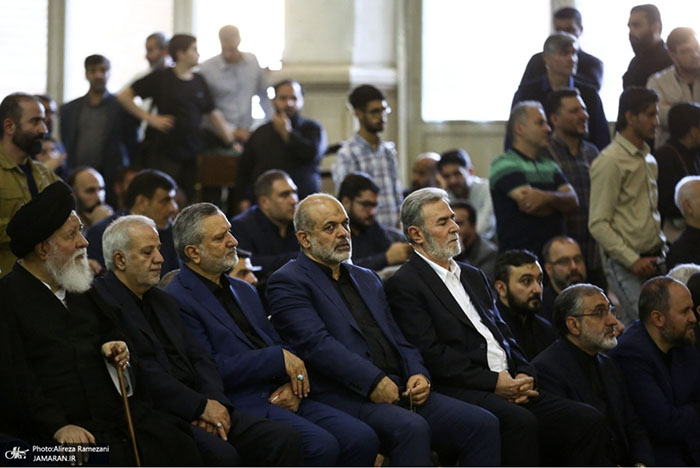
Ebrahim Raisi’s 40th Day Ceremony: A Powerful Reflection on His Legacy
Impact on Iran’s Judicial System
Raisi’s extensive background in the judiciary means his death will also affect this branch of government. As a former Chief Justice, Raisi implemented a series of reforms aimed at reinforcing the Islamic Republic’s strict interpretation of Sharia law. His influence extended to the appointment of key judicial figures, many of whom share his conservative outlook. The new appointments to replace these figures could shift the balance within the judiciary, potentially leading to either a continuation of Raisi’s policies or a move towards more moderate reforms, depending on who gains influence.
Societal Reflections and Public Sentiment
The 40th day ceremony is also a crucial moment for societal reflection. The mixed reactions to Raisi’s death underscore the divisions within Iranian society. For some, he was a protector of traditional values and a defender of the Islamic Republic’s ideals. For others, particularly those who suffered under his judicial rulings or during the 1988 executions, he remains a symbol of repression and injustice.
Public Mourning and Protests
In cities like Tehran, Mashhad, and Qom, large crowds have gathered to mourn Raisi, reflecting his significant support base. These gatherings are marked by prayers, eulogies, and expressions of solidarity with the principles Raisi espoused. Conversely, there have been reports of protests and celebrations in other areas, highlighting the deep-seated resentment among those who opposed his rule. This duality in public sentiment is a testament to Raisi’s polarizing impact on Iranian society.
The government’s response to these divergent public reactions has been to issue warnings against public celebrations of Raisi’s death, threatening prosecution for those who appear to rejoice in his passing. This highlights the regime’s sensitivity to dissent and its ongoing efforts to maintain control over public narratives.
More stories
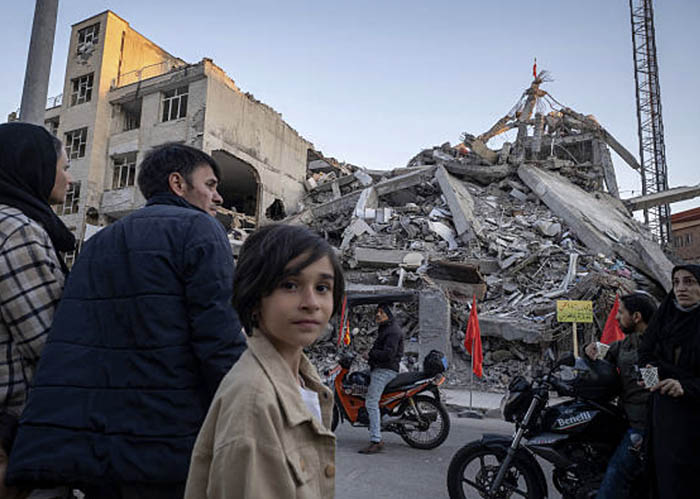
The Islamic Republic’s Instrumental Misuse of War Ruins: Propaganda
Introduction In the aftermath of the March 9 military strikes attributed to joint U.S.-Israeli operations, parts of residential Tehran were … Continue reading ➝
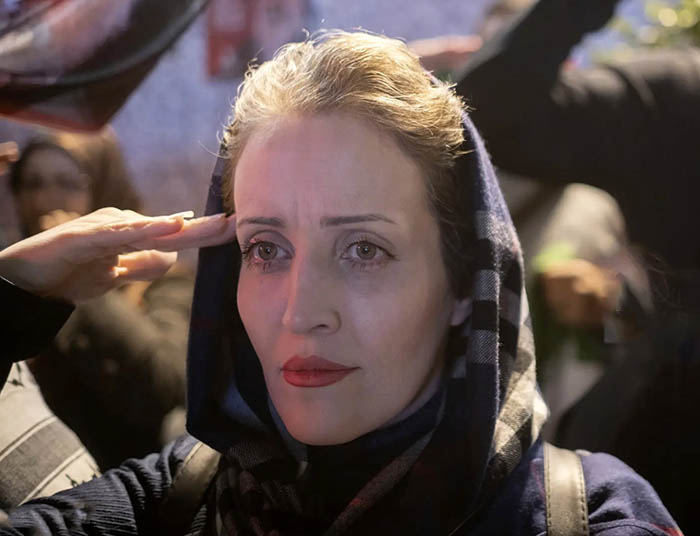
Iran Funeral Ceremony 2026: Rising Tensions After Killing of IRGC Intelligence Chief Majid Khademi
Introduction The funeral ceremony of Majid Khademi, the head of the Islamic Revolutionary Guard Corps (IRGC) Intelligence Organization, has become … Continue reading ➝
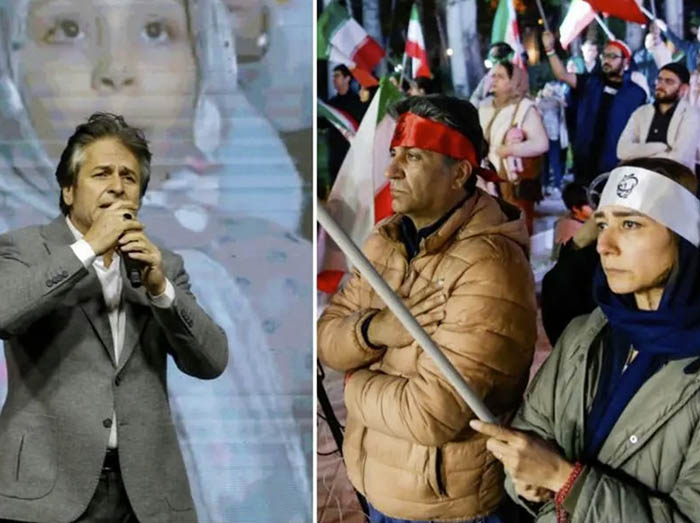
Tajik and Zanko Street Concert in Ferdows Garden: A Powerful Musical Tribute
Introduction On the evening of Tuesday, 18 Farvardin 1405, Ferdows Garden became the heart of an unforgettable cultural moment in … Continue reading ➝
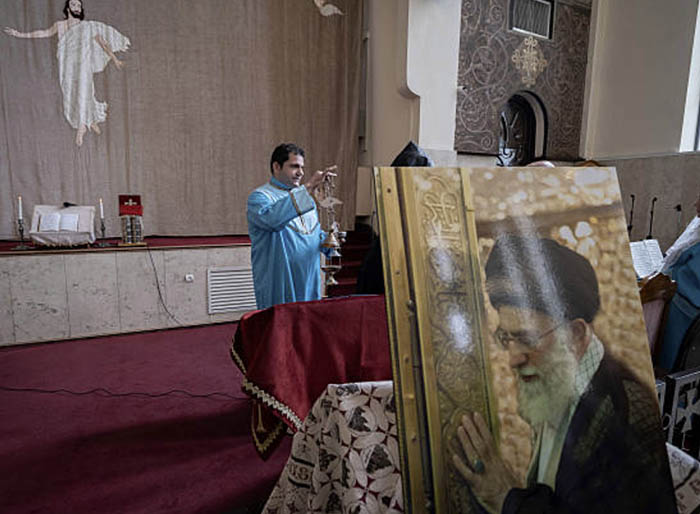
Prayer Ceremony for Late Supreme Leader Ali Khamenei, The bloodthirsty dictator Amid Ceasefire Tensions
Introduction The death of Ali Khamenei on April 8, 2026, has sent shockwaves across Iran and the wider Middle East, … Continue reading ➝
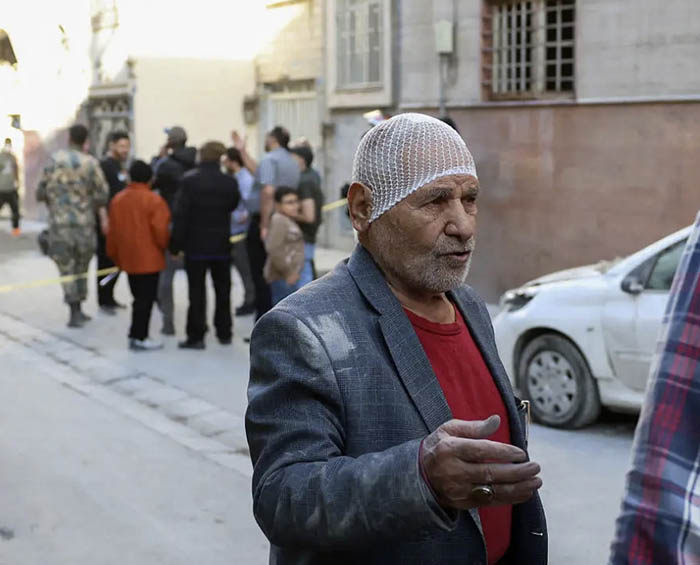
Israeli-American Strikes in Tehran 2026: Synagogue Destroyed Amid Escalating War
Introduction The ongoing conflict between Iran, Israel, and the United States has reached a devastating new chapter. On April 7, … Continue reading ➝