Ebrahim Raisi’s 40th Day Ceremony: A Powerful Reflection on His Legacy

Social and Cultural Policies
Raisi’s social and cultural policies were characterized by a strict adherence to Islamic values and an emphasis on preserving Iran’s cultural heritage. He supported initiatives to promote Islamic education, uphold religious norms, and maintain the cultural identity of the nation. His administration also focused on enhancing the role of religious institutions and clerics in societal matters.
These policies resonated with conservative segments of the population who viewed Raisi as a protector of traditional values. However, they also sparked resistance among more liberal and progressive groups, who criticized the restrictive measures on personal freedoms and cultural expression. The balance between maintaining religious values and accommodating diverse social perspectives remained a contentious issue during Raisi’s tenure.
Judicial Reforms and Human Rights
As a prominent figure in Iran’s judiciary, Raisi’s approach to justice was marked by a strict interpretation of Islamic law. His tenure as Chief Justice saw the implementation of judicial reforms aimed at enhancing efficiency and transparency within the judicial system. He advocated for swift and decisive action against corruption and crime, which garnered support from those seeking justice and accountability.
However, Raisi’s judicial reforms were overshadowed by allegations of human rights abuses and his involvement in the 1988 executions of political prisoners. International human rights organizations and survivors of the purges accused Raisi of crimes against humanity, casting a long shadow over his judicial career. These allegations, coupled with reports of harsh sentencing and suppression of dissent, fueled criticisms of his human rights record.
June 28, 2024 | 9:45 pmMore stories
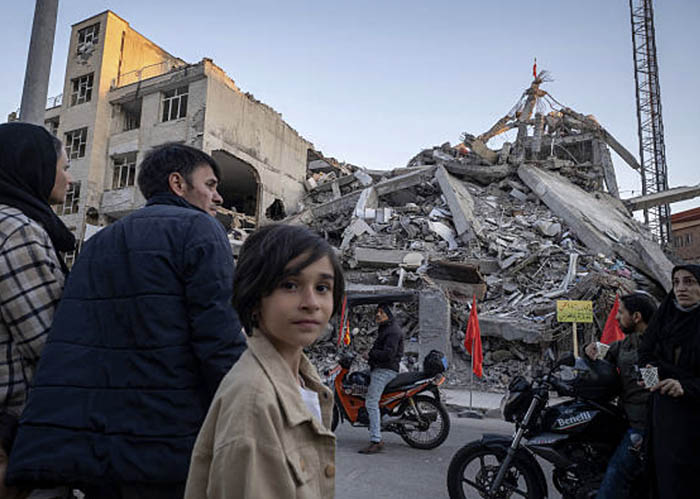
The Islamic Republic’s Instrumental Misuse of War Ruins: Propaganda
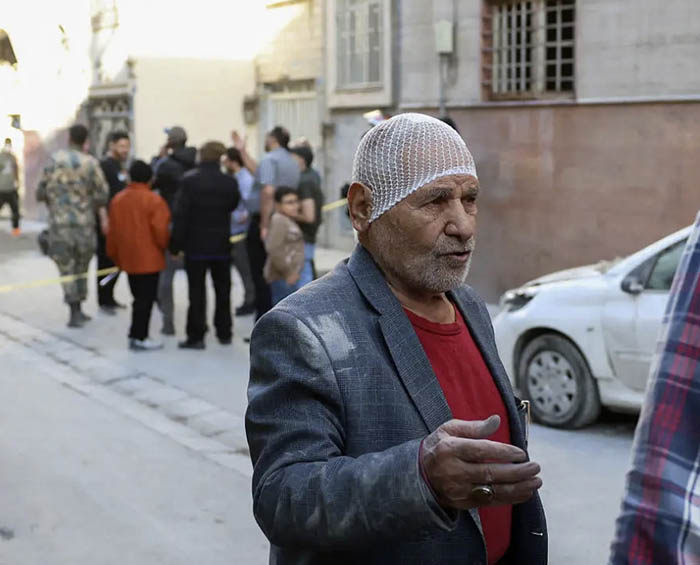
Introduction In the aftermath of the March 9 military strikes attributed to joint U.S.-Israeli operations, parts of residential Tehran were … Continue reading ➝
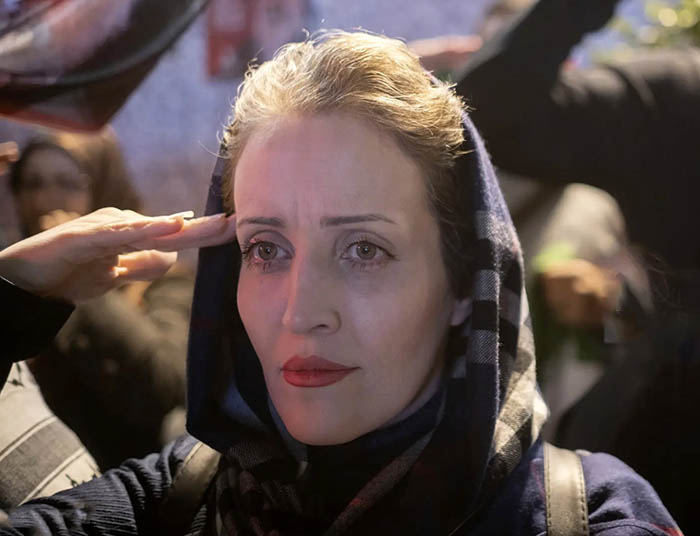
Iran Funeral Ceremony 2026: Rising Tensions After Killing of IRGC Intelligence Chief Majid Khademi
Introduction The funeral ceremony of Majid Khademi, the head of the Islamic Revolutionary Guard Corps (IRGC) Intelligence Organization, has become … Continue reading ➝
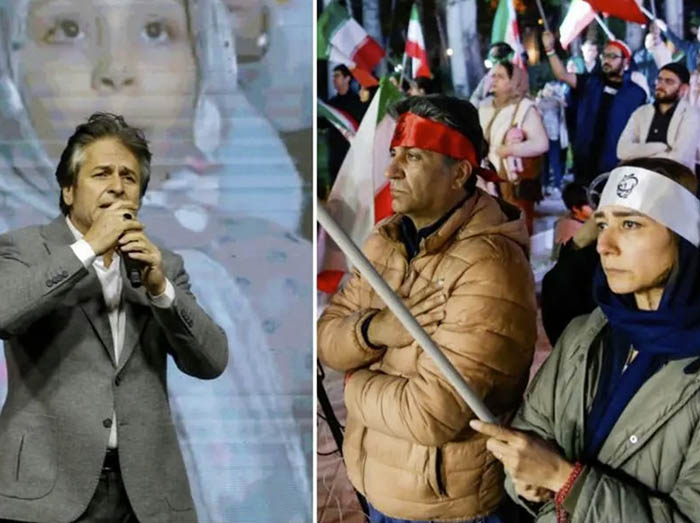
Tajik and Zanko Street Concert in Ferdows Garden: A Powerful Musical Tribute
Introduction On the evening of Tuesday, 18 Farvardin 1405, Ferdows Garden became the heart of an unforgettable cultural moment in … Continue reading ➝
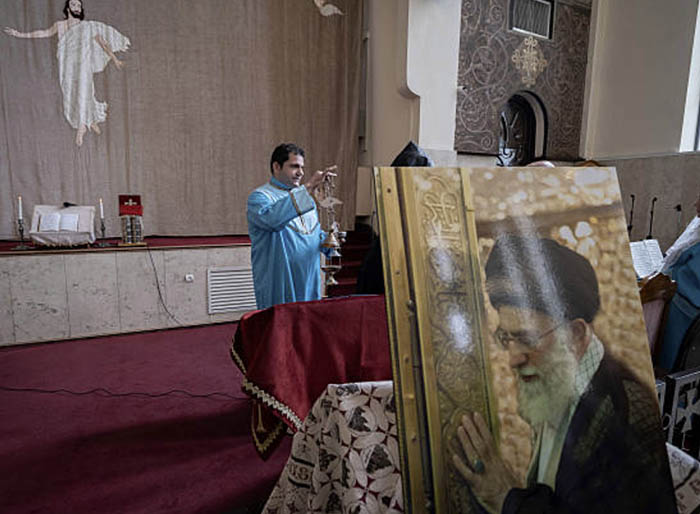
Prayer Ceremony for Late Supreme Leader Ali Khamenei, The bloodthirsty dictator Amid Ceasefire Tensions
Introduction The death of Ali Khamenei on April 8, 2026, has sent shockwaves across Iran and the wider Middle East, … Continue reading ➝
Israeli-American Strikes in Tehran 2026: Synagogue Destroyed Amid Escalating War
Introduction The ongoing conflict between Iran, Israel, and the United States has reached a devastating new chapter. On April 7, … Continue reading ➝