Diplomatic Talks in Geneva: A Turning Point in US-Iran Nuclear Negotiations and Middle East Diplomacy
3. US-Iran Relations and Nuclear Negotiations: A Complex Timeline
The Evolution of Diplomatic Engagements
US-Iran relations have been deeply strained since the 1979 Iranian Revolution and the subsequent hostage crisis. Over the decades, efforts at diplomacy have fluctuated between rapprochement and confrontation.
The Obama administration’s 2015 JCPOA marked a peak in diplomatic engagement, offering Iran sanctions relief in exchange for restrictions on its nuclear program. However, the Trump administration’s withdrawal in 2018 marked a severe setback, with increased sanctions and Iran’s reduction of compliance.
The Biden Administration’s Approach
Under President Joe Biden, the United States sought to re-engage with Iran, aiming to revive the JCPOA. Negotiations in Vienna and other venues took place but faced persistent challenges—mainly disagreements over sanctions, verification measures, and regional security issues.
The Role of U.S. Diplomats and Envoys
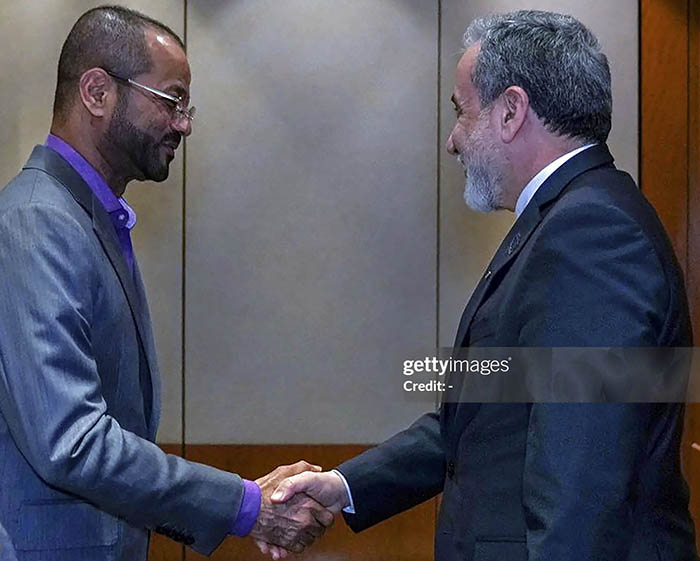
Special Envoy Steve Witkoff has played a pivotal role in facilitating indirect talks, engaging with Iranian counterparts and regional stakeholders. His diplomatic efforts aim to bridge gaps, build trust, and create a framework for future negotiations.
Regional and Global Context
The broader geopolitical landscape—including Israel’s security concerns, Saudi Arabia’s regional ambitions, and the U.S. strategic pivot to Asia—adds layers of complexity to the negotiations. Iran’s regional influence through proxies complicates efforts to establish a comprehensive security framework.