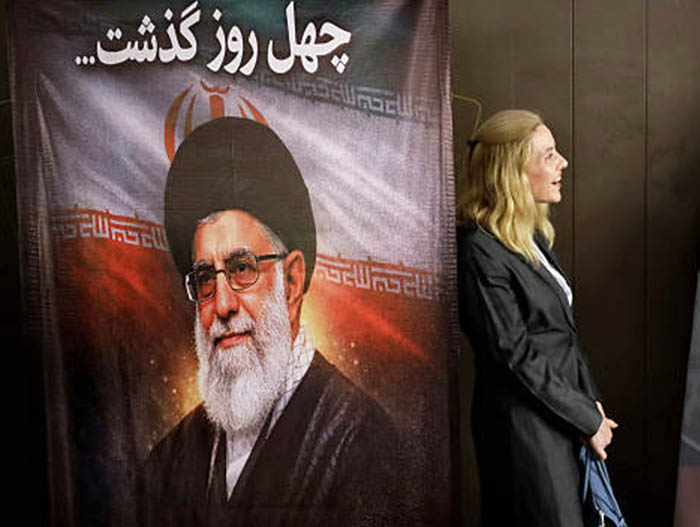
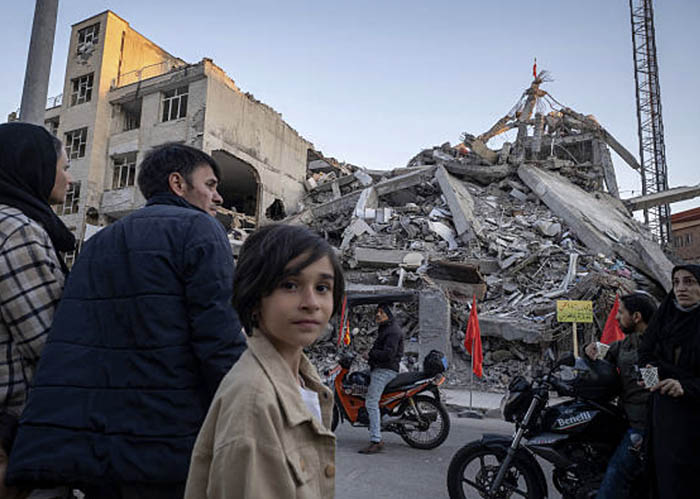
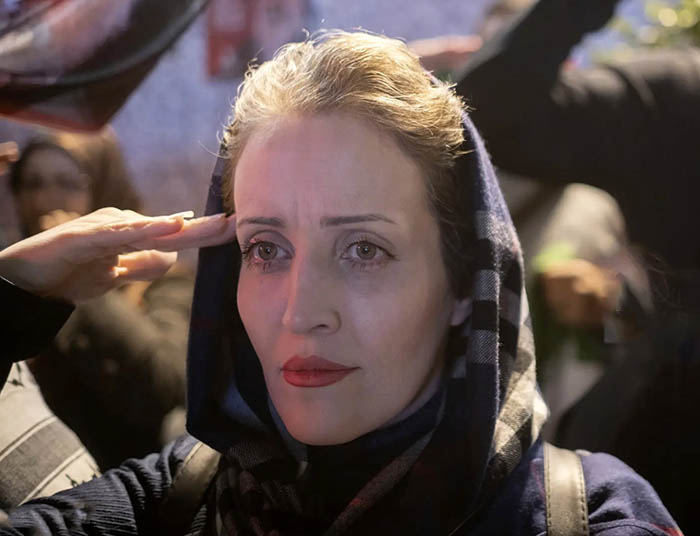
The Forty-Day Mourning: Controversy After the Death of Ali Khamenei in Mexico City
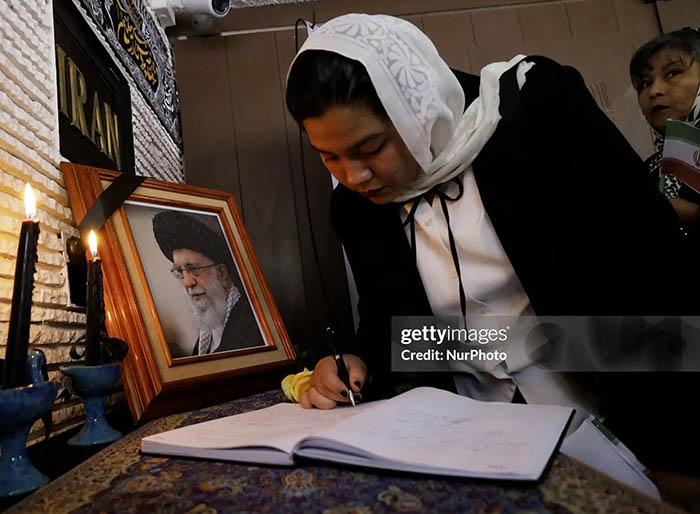
Khamenei’s Legacy: Authority, Ideology, and Control
To understand the meaning of the 40-day ceremony, one must first confront the legacy of Ali Khamenei himself.
Rising to power in 1989 after the death of Ruhollah Khomeini, Khamenei consolidated authority over Iran’s political, military, and religious institutions. Under his leadership:
- The doctrine of Velayat-e Faqih (Guardianship of the Islamic Jurist) was reinforced.
- The Islamic Revolutionary Guard Corps (IRGC) expanded its influence.
- Political dissent was often suppressed.
- Iran’s regional influence grew through alliances and proxy networks.
Critics frequently labeled his rule as authoritarian, arguing that democratic institutions existed largely within limits defined by unelected religious authority. Supporters, however, viewed him as a stabilizing figure who preserved the revolution’s ideals.
This divide becomes central during the mourning period.
April 12, 2026 | 10:08 am