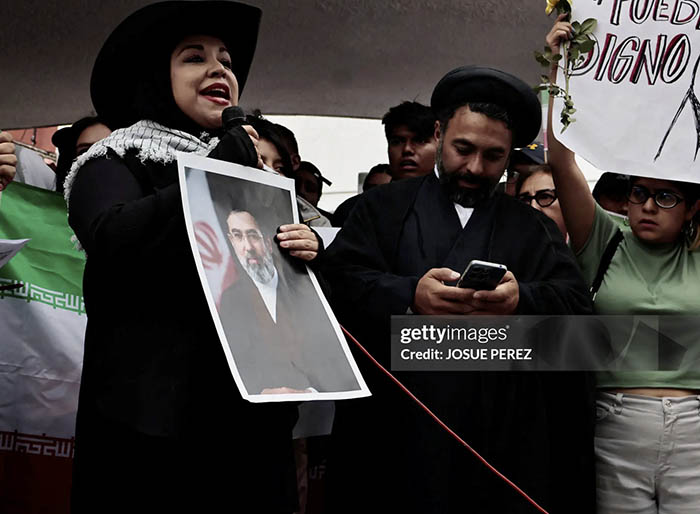
The Forty-Day Mourning: Controversy After the Death of Ali Khamenei in Mexico City
Potential Outcomes: Stability or Transformation
The 40-day mourning period may lead Iran in several directions:
1. Continuity
A smooth transition of power, reinforced by strong public ceremonies, could stabilize the system.
2. Internal Power Struggles
Behind the scenes, factions within the political and military elite may compete for influence.
3. Public Unrest
If economic or social frustrations surface during this period, mourning gatherings could transform into protests—echoing historical patterns.
4. Gradual Reform
Though less likely in the short term, the absence of a dominant figure like Khamenei could open space for incremental change.
April 12, 2026 | 10:08 amMore stories
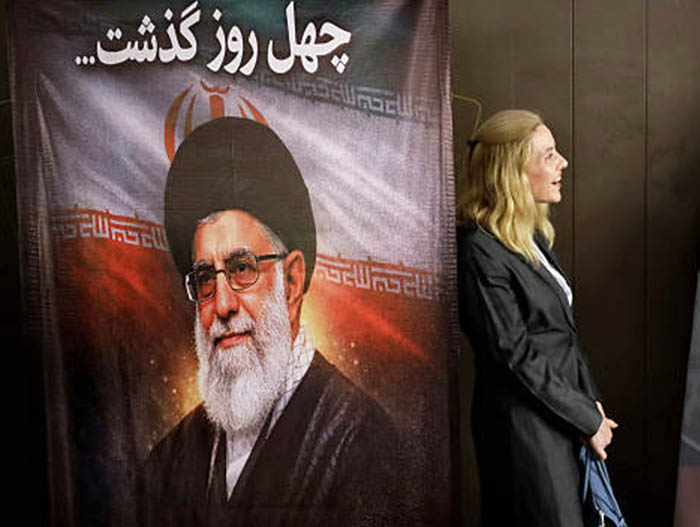
The Forty-Day Mourning: Controversy After the Death of Ali Khamenei in Mexico City
Introduction The reported death of Ali Khamenei marks not only the end of a political era but also the beginning … Continue reading ➝
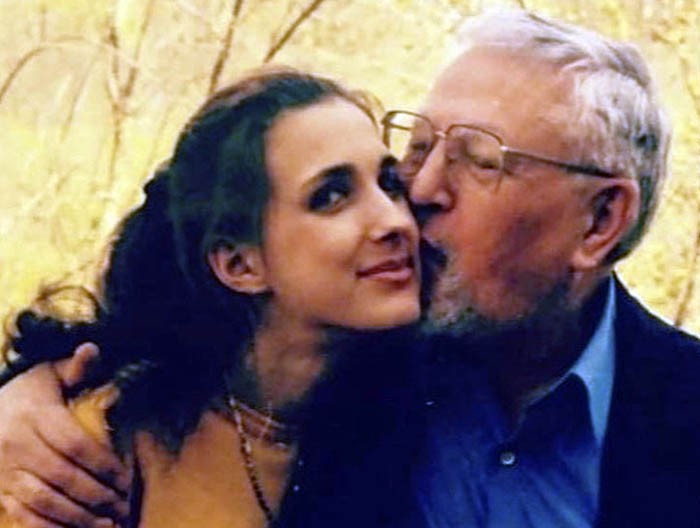
Children of Ebrahim Yazdi in the USA: Family, Legacy, and Influence
Introduction Ebrahim Yazdi was one of the most influential figures in modern Iranian political history. Known for his role as … Continue reading ➝

Marco Rubio: Personal Life, Identity, and the nightmare of the sons of the Islamic Republic in USA
Introduction Marco Rubio stands as one of the most influential American political figures of the 21st century, particularly in the … Continue reading ➝
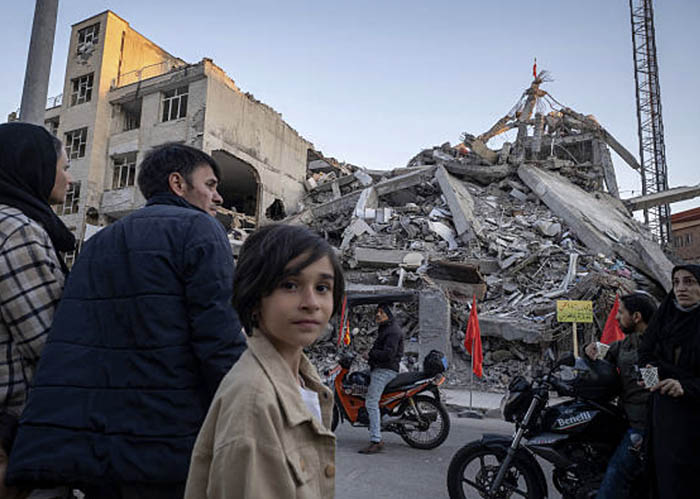
The Islamic Republic’s Instrumental Misuse of War Ruins: Propaganda
Introduction In the aftermath of the March 9 military strikes attributed to joint U.S.-Israeli operations, parts of residential Tehran were … Continue reading ➝
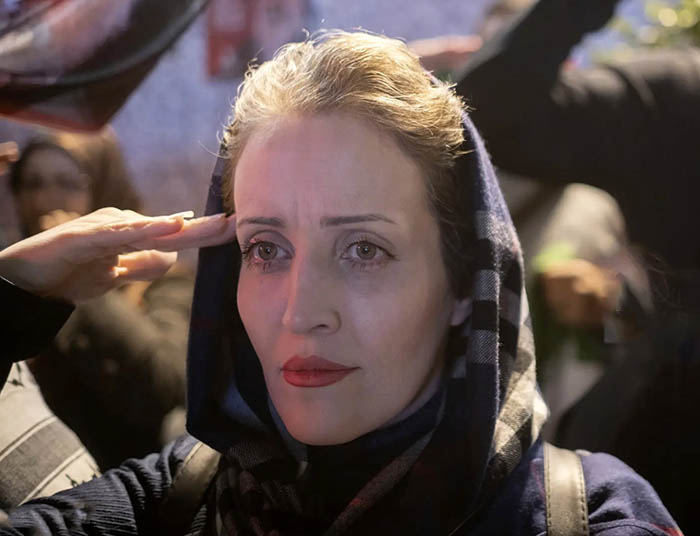
Iran Funeral Ceremony 2026: Rising Tensions After Killing of IRGC Intelligence Chief Majid Khademi
Introduction The funeral ceremony of Majid Khademi, the head of the Islamic Revolutionary Guard Corps (IRGC) Intelligence Organization, has become … Continue reading ➝