Supreme Leader’s Aide Under Fire After Daughter’s Hijab-Free Wedding Video Goes Viral
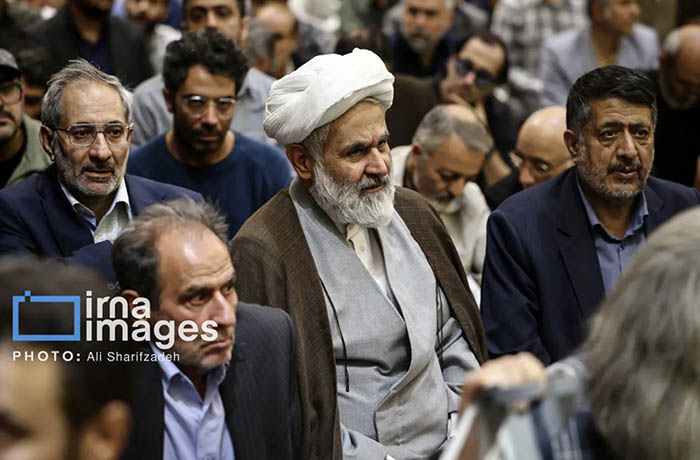
Regime Responses: Strategies and Prospects
Iran’s leadership faces a complex challenge: how to manage the fallout from the Shamkhani wedding scandal without jeopardizing their grip on power. Their response will significantly influence whether this incident becomes a catalyst for reform or a prelude to further repression.
Possible Regime Strategies
1. Public Denial and Minimization
- Approach: Authorities may dismiss the scandal as a private matter or a Western-led smear campaign.
- Implementation: State media could downplay the incident, emphasizing Shamkhani’s patriotism and service, framing the leak as an illegitimate attack on national security.
- Risks: This approach risks further alienating the public if the scandal’s emotional impact persists, especially among youth and reformists.
2. Feigning a Mea Culpa and Implementing Disciplinary Measures
- Approach: Shamkhani or other officials might publicly apologize or resign to restore moral credibility.
- Implementation: Limited disciplinary actions could be announced—such as a temporary suspension or a formal reprimand—without significant shake-up.
- Risks: Such gestures may be viewed as superficial or insincere, fueling distrust.
3. Launching Counteroffensives and Repression
- Approach: Authorities could escalate security measures, crackdown on social media, or imprison activists involved in leaks.
- Implementation: Increased censorship, arrest warrants, or intimidation campaigns against dissenting voices.
- Risks: This could escalate unrest, especially if coupled with economic hardships and ongoing protests.
4. Reforming or Relaxing Social Controls
- Approach: In a more strategic move, the regime might attempt to soften some restrictions to placate the population.
- Implementation: Easing restrictions on dress, social gatherings, or the internet.
- Risks: Such reforms could threaten the ideological rigidity of the regime, risking internal dissent from hardliners.
More stories
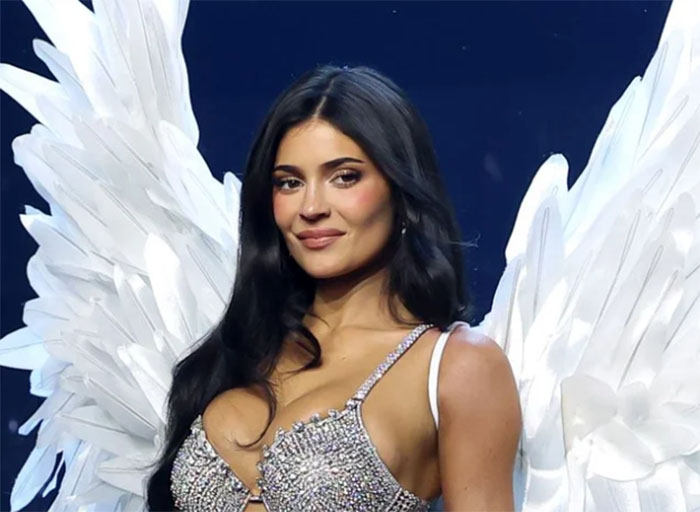
Kylie Jenner Makes Victoria’s Secret Fashion Show Debut in $50 Million Fantasy Bra
Introduction Babak Takhti is an Iranian writer, publisher and the only son of Gholamreza Takhti, the legendary Iranian freestyle wrestler … Continue reading ➝
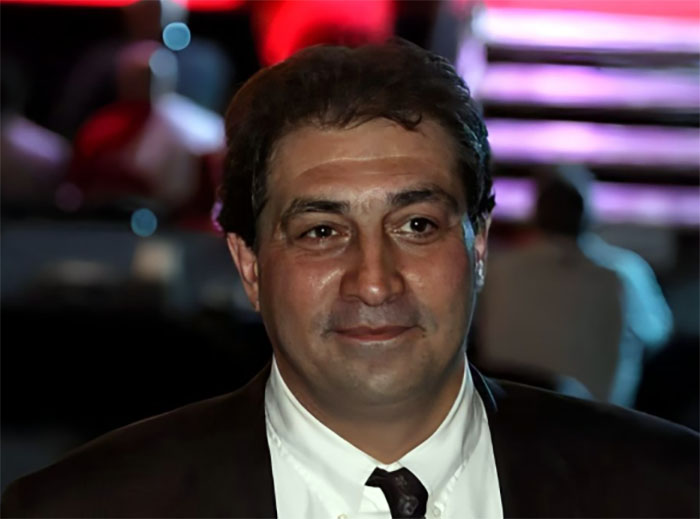
Who Is Babak Takhti? Gholamreza Takhti’s Only Son, His Family, Career, and His Father’s Controversial Death
Introduction Babak Takhti is an Iranian writer, publisher and the only son of Gholamreza Takhti, the legendary Iranian freestyle wrestler … Continue reading ➝
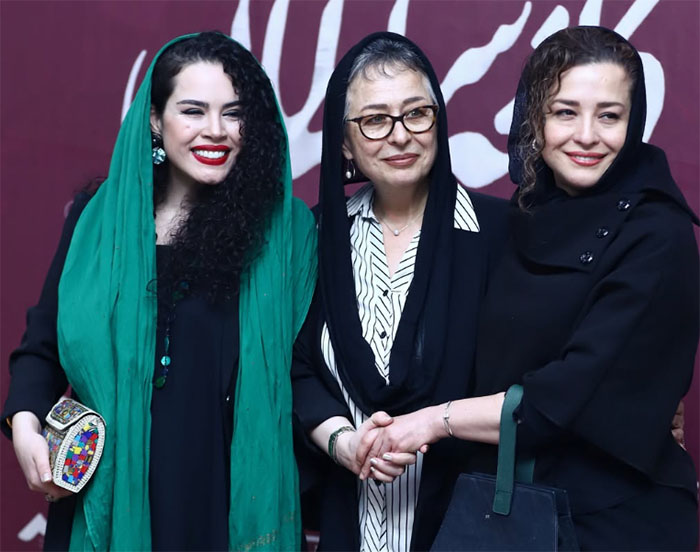
Azita Hajian, Mehraveh Sharifinia and Melika Sharifinia Attend Cafe Soltan Private Screening at Megamall Cinema
Introduction The private screening of Cafe Soltan, the Iranian feature film directed by Mostafa Razagh-Karimi and produced by Morteza Razagh-Karimi, … Continue reading ➝

Bot (Bet) Movie: Hamid Nematollah’s Drama Holds Private Screening at Galleria Cinema Complex
Introduction The Iranian social drama Bot, also transliterated as Bet and associated with the English title Idol, has attracted attention … Continue reading ➝
10 Fascinating Stories About Most Famous Actresses: Behind-the-Scenes Secrets From Iconic Films and TV Shows
Introduction 1. Gohar Kheirandish in Banoo: The Makeup That Could Not Hide Her Beauty Film: Banoo (The Lady) Director: Dariush … Continue reading ➝