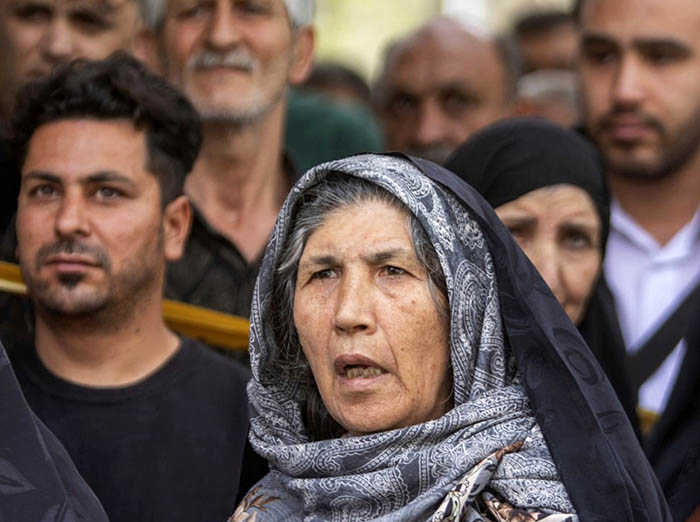
Daily Life in Tehran Amidst Turmoil and Diplomatic Resumption: The Aftermath of January in 2026
Economic and Cultural Resilience Post-Massacre
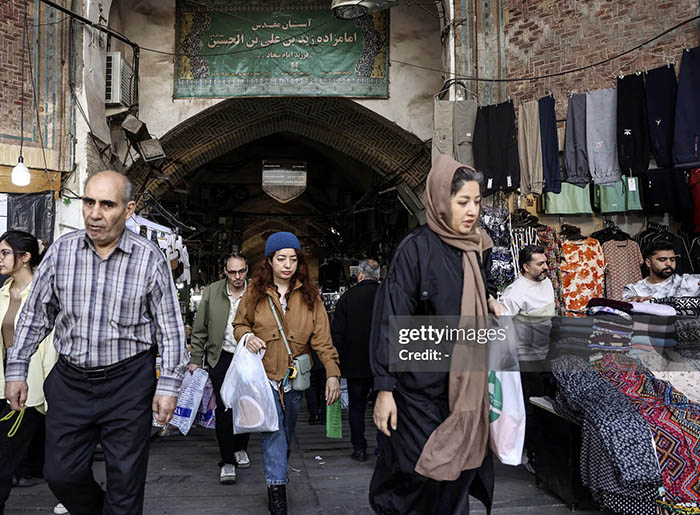
Despite the violence and economic sanctions, Iran’s economy showed signs of resilience. Small businesses in Tehran’s bustling bazaars adapted to new realities—bartering, shifting to online commerce, and emphasizing local products. The Grand Bazaar, though scarred, remained a vital hub for trade and social interaction, symbolizing Iran’s enduring cultural heritage.
Culturally, Iranians continued to celebrate their rich traditions—Nowruz festivities, poetry recitations, and music festivals persisted amidst the turmoil. Artists and writers used their craft to express resistance and hope, documenting the struggles and aspirations of their people.
International Response and Diplomatic Efforts
In the international arena, Iran’s government faced mounting pressure to address internal violence and human rights violations. The United Nations and various human rights organizations called for investigations into the January massacre and protections for peaceful protesters.
Meanwhile, diplomatic efforts to revive the Iran-US nuclear deal resumed in Geneva in February 2026. The talks, held after a hiatus caused by regional conflicts and external pressures, represented a glimmer of hope for easing tensions. However, the backdrop of internal violence and external threats complicated negotiations.
The US and Iran exchanged stern warnings: Iran warned of “ferocious” responses to any attack, citing recent threats from US President and military build-up in the Middle East. The US, meanwhile, sought to leverage sanctions relief in exchange for Iran’s compliance with nuclear restrictions, while remaining wary of Iran’s internal crackdown.
February 24, 2026 | 10:10 pm