Daily Life in Tehran After the January 2026 Massacre: One Month Until Nowruz
1. Context of the January 2026 Massacre in Iran
The Events Leading to the Massacre
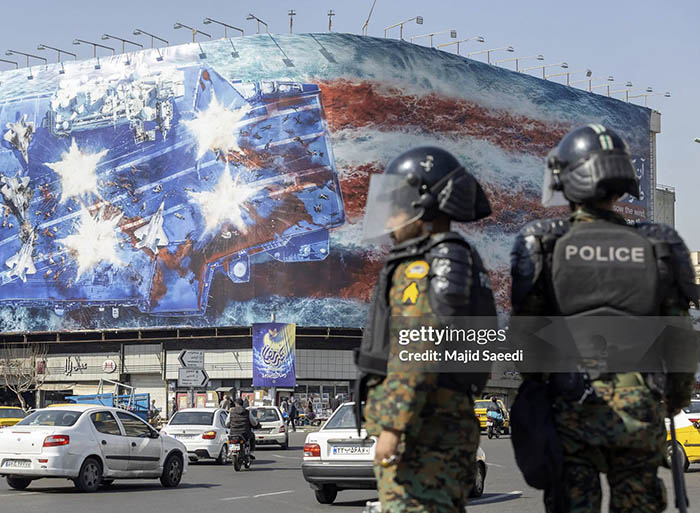
On January 15, 2026, Tehran witnessed one of the most brutal crackdowns in recent Iranian history. Security forces, under orders from the regime, attacked peaceful protesters demonstrating against economic hardship, political repression, and the ongoing conflict with Western powers. Reports indicate that hundreds of civilians were killed, with many more injured and detained. The massacre was widely condemned internationally, but within Iran, it intensified fears and deepened societal divisions.
Societal Impact and Public Reaction
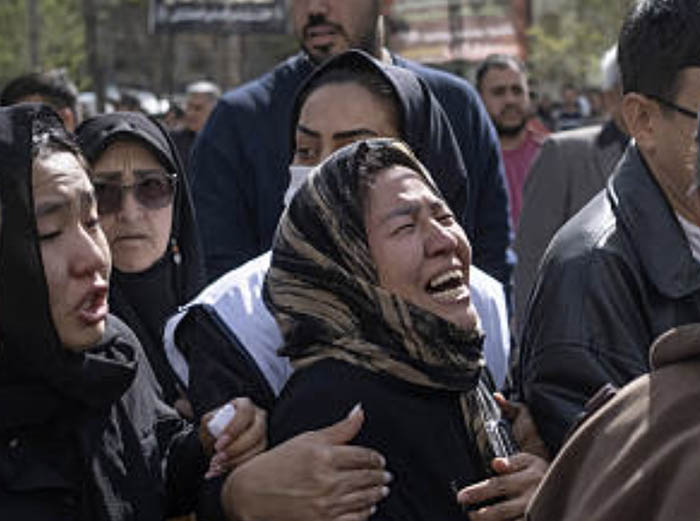
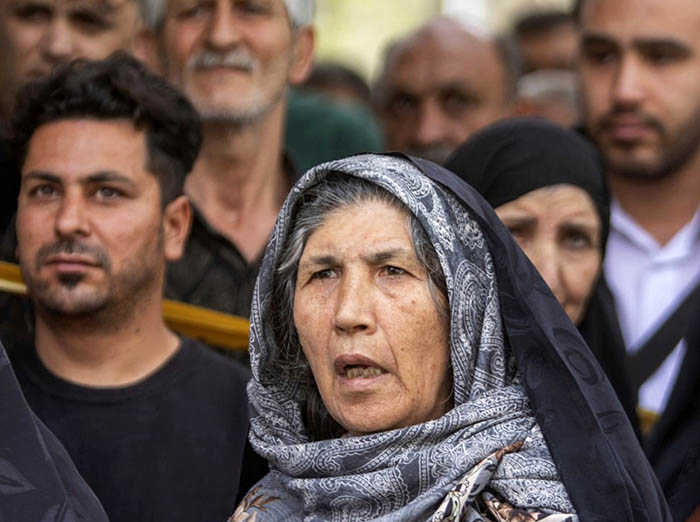
The massacre shook the Iranian society to its core. Families mourned lost loved ones, and activists intensified calls for justice. The event marked a turning point, fueling underground resistance and further isolating Iran from the international community. Despite the repression, many Iranians continue to express their dissent through social media, clandestine gatherings, and cultural resistance.
Government Response and Censorship
The Iranian government responded with increased censorship and crackdowns on journalists, activists, and social media users. State-controlled media portrayed the event as a necessary measure to restore order, while dissidents and human rights organizations documented widespread human rights violations. The regime’s narrative aims to suppress dissent but has only fueled underground movements.
February 21, 2026 | 7:04 pm