Coffee Under Fire: The Resilience of Café Culture in Tehran During Wartime
The Barista as Cultural Mediator
Baristas in Tehran occupy a unique cultural position, especially during wartime. They are not merely service workers; they are facilitators of atmosphere and, in many cases, subtle curators of social experience. Their role expands under pressure. A well-timed smile, a brief conversation, or even remembering a regular customer’s order can carry disproportionate emotional weight.
In a city where public expression may already be nuanced, baristas often become informal mediators. They sense the mood of the room, adjusting music, lighting, and even their tone of interaction accordingly. During tense moments—when news breaks or rumors spread—their calm demeanor helps stabilize the environment. In this way, they contribute to the café’s function as a microcosm of order within a broader context of uncertainty.
Architecture of Adaptation
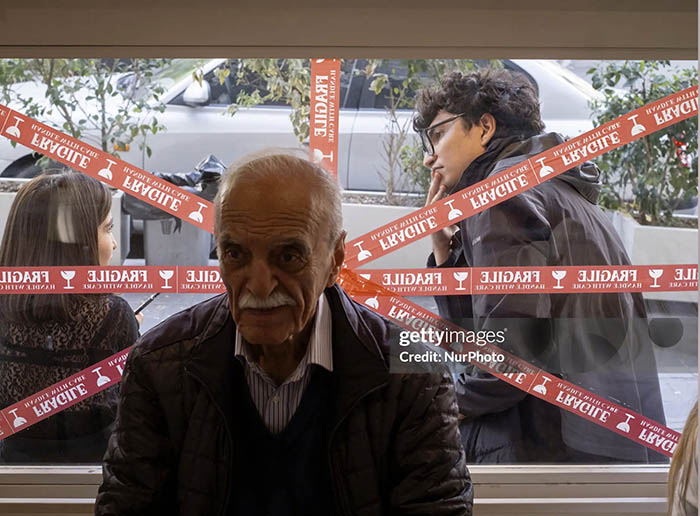
Wartime subtly reshapes the physical layout of cafés. Seating arrangements may shift inward, away from windows. Outdoor seating, once a hallmark of Tehran’s café culture, becomes less common or more cautiously used. The taped windows, while primarily functional, also influence the visual identity of these spaces.
Lighting becomes softer, either intentionally or as a result of energy concerns. Some cafés rely more on natural light during the day, conserving electricity in anticipation of potential disruptions. Others invest in backup power sources, ensuring that operations can continue even during outages. These architectural adaptations are practical, but they also alter the emotional tone of the space, making it feel more enclosed, more intimate, and at times more introspective.
April 5, 2026 | 10:14 pmMore stories
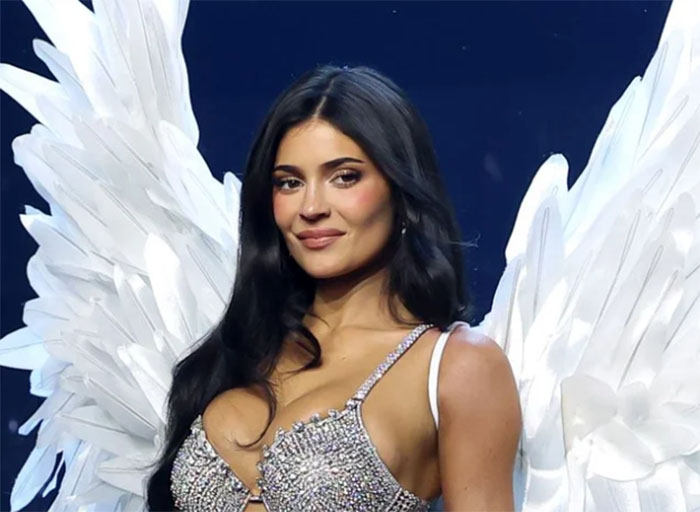
Kylie Jenner Makes Victoria’s Secret Fashion Show Debut in $50 Million Fantasy Bra
Introduction Babak Takhti is an Iranian writer, publisher and the only son of Gholamreza Takhti, the legendary Iranian freestyle wrestler … Continue reading ➝
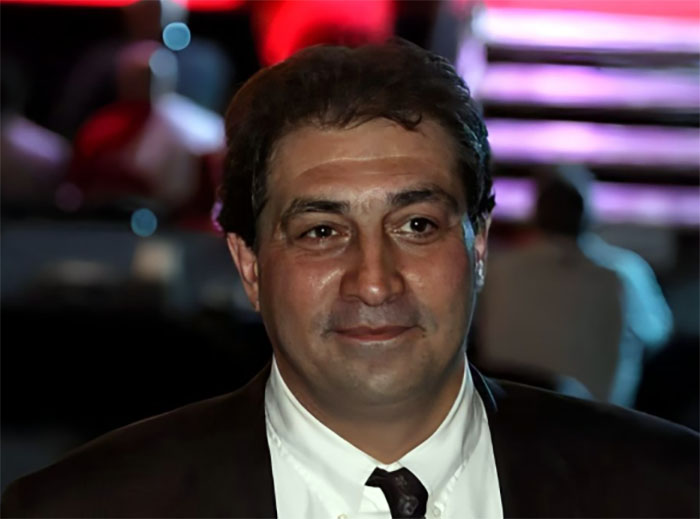
Who Is Babak Takhti? Gholamreza Takhti’s Only Son, His Family, Career, and His Father’s Controversial Death
Introduction Babak Takhti is an Iranian writer, publisher and the only son of Gholamreza Takhti, the legendary Iranian freestyle wrestler … Continue reading ➝
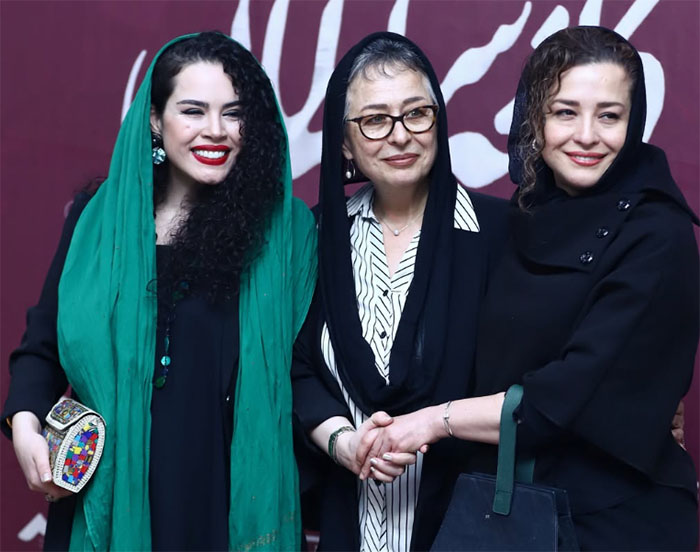
Azita Hajian, Mehraveh Sharifinia and Melika Sharifinia Attend Cafe Soltan Private Screening at Megamall Cinema
Introduction The private screening of Cafe Soltan, the Iranian feature film directed by Mostafa Razagh-Karimi and produced by Morteza Razagh-Karimi, … Continue reading ➝

Bot (Bet) Movie: Hamid Nematollah’s Drama Holds Private Screening at Galleria Cinema Complex
Introduction The Iranian social drama Bot, also transliterated as Bet and associated with the English title Idol, has attracted attention … Continue reading ➝
10 Fascinating Stories About Most Famous Actresses: Behind-the-Scenes Secrets From Iconic Films and TV Shows
Introduction 1. Gohar Kheirandish in Banoo: The Makeup That Could Not Hide Her Beauty Film: Banoo (The Lady) Director: Dariush … Continue reading ➝