Ayatollah Mike: The Enigmatic Figure Behind CIA Covert Operations
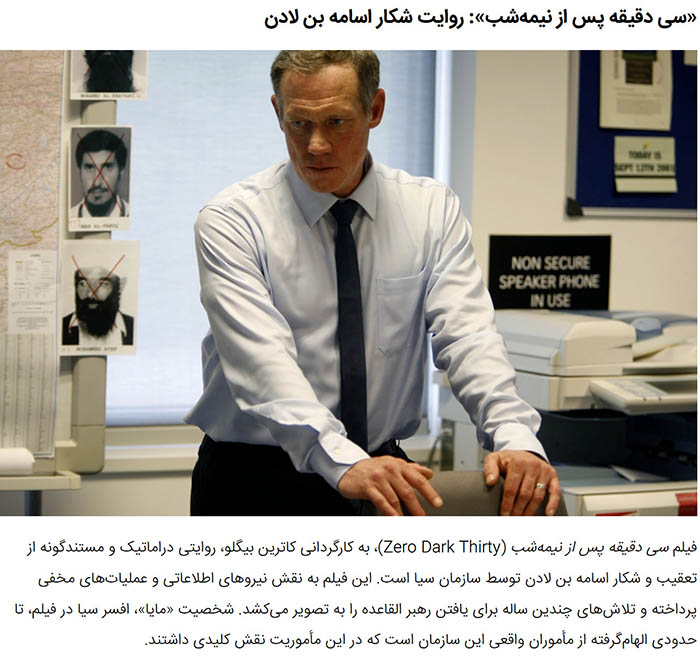
5. The Soleimani Operation
In January 2020, the assassination of Iranian General Qassem Soleimani marked another pivotal chapter in D’Andrea’s career. Media outlets began referring to him as the “mastermind” behind this controversial operation, which had far-reaching consequences for U.S.-Iran relations and the broader Middle East. The operation showcased the high-stakes nature of covert intelligence work and the potential fallout from such actions.
Soleimani’s assassination stirred significant geopolitical tension, prompting discussions on the legality of targeted killings and the first principles of warfare. D’Andrea’s involvement in the operation reflected a shift in U.S. military strategy under the Trump administration, where covert strategies were emphasized in dealing with perceived threats.
Contemporary Reflections on Michael D’Andrea’s Career
The legacy of Michael D’Andrea remains relevant, particularly as new generations of intelligence officers confront the complexities of modern threats. His tenure at the CIA reflects a paradigm shift in how intelligence is gathered and utilized in an increasingly interconnected world. Cyber threats, non-state actors, and global terrorism present unique challenges that require innovative strategies blending traditional intelligence work with emerging technologies.
Contemporary intelligence agencies are tasked not only with preempting threats but also with navigating the ethical expectations of a public that is increasingly aware and critical of government actions. Figures like D’Andrea serve as lessons—both in terms of effective strategic planning and the ethical quandaries that accompany such measures. The discussions surrounding his methods continue to resonate as intelligence operatives grapple with the realities of conducting operations in the twenty-first century.
Emerging from the global pandemic and ongoing geopolitical tensions, the landscape of intelligence is constantly changing. Leaders in the field must weigh the lessons of the past against the present-day demands for transparency, accountability, and ethical conduct. The balance between effective counterterrorism measures and the preservation of civil liberties remains a central tenet of the discourse surrounding intelligence work.
More stories
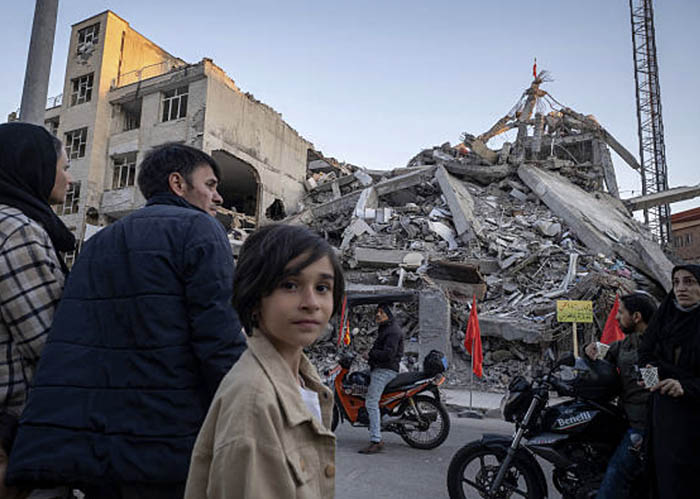
The Islamic Republic’s Instrumental Misuse of War Ruins: Propaganda
Introduction In the aftermath of the March 9 military strikes attributed to joint U.S.-Israeli operations, parts of residential Tehran were … Continue reading ➝
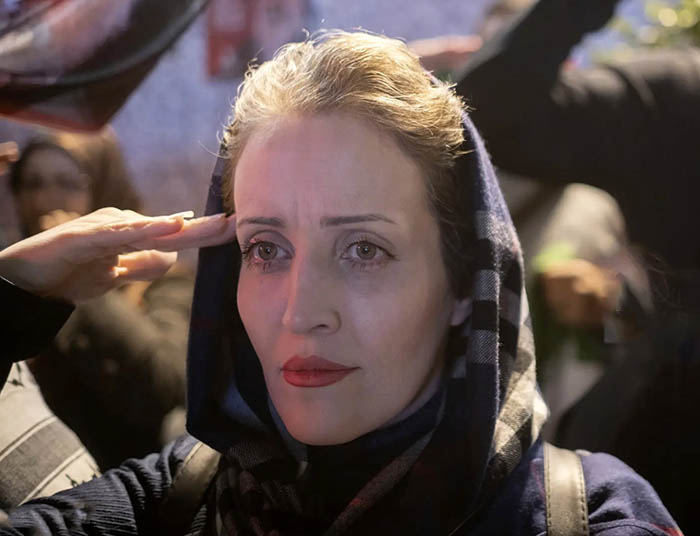
Iran Funeral Ceremony 2026: Rising Tensions After Killing of IRGC Intelligence Chief Majid Khademi
Introduction The funeral ceremony of Majid Khademi, the head of the Islamic Revolutionary Guard Corps (IRGC) Intelligence Organization, has become … Continue reading ➝
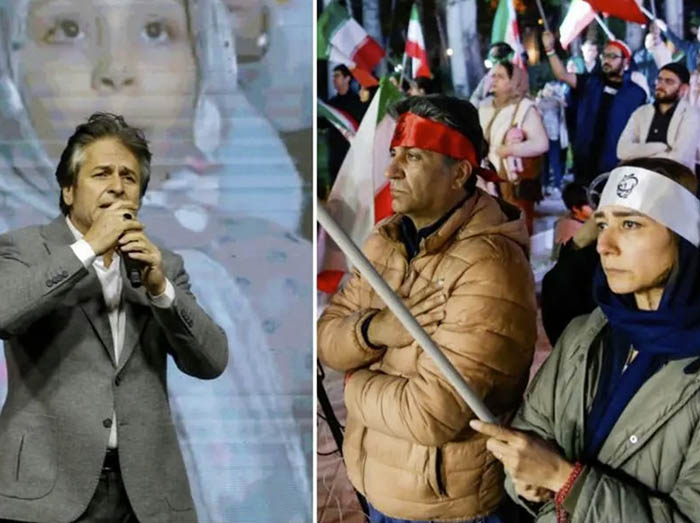
Tajik and Zanko Street Concert in Ferdows Garden: A Powerful Musical Tribute
Introduction On the evening of Tuesday, 18 Farvardin 1405, Ferdows Garden became the heart of an unforgettable cultural moment in … Continue reading ➝
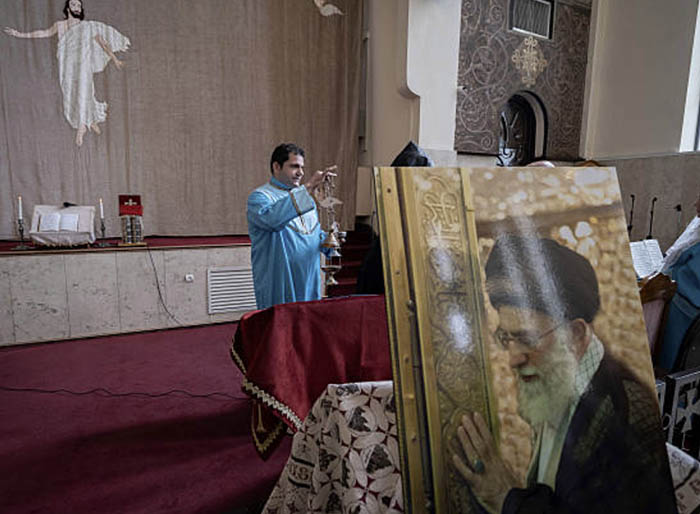
Prayer Ceremony for Late Supreme Leader Ali Khamenei, The bloodthirsty dictator Amid Ceasefire Tensions
Introduction The death of Ali Khamenei on April 8, 2026, has sent shockwaves across Iran and the wider Middle East, … Continue reading ➝
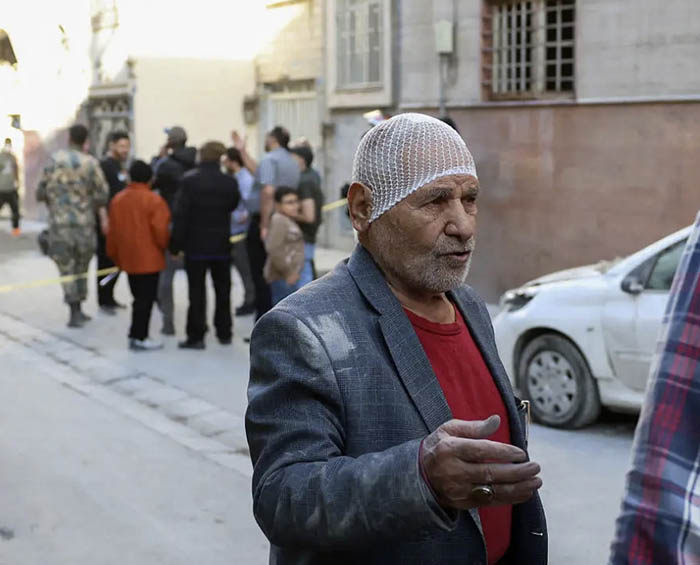
Israeli-American Strikes in Tehran 2026: Synagogue Destroyed Amid Escalating War
Introduction The ongoing conflict between Iran, Israel, and the United States has reached a devastating new chapter. On April 7, … Continue reading ➝