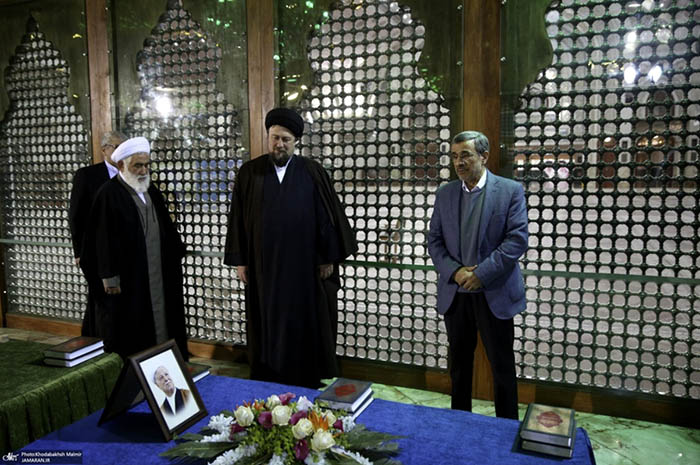
8 Key Aspects of Mahmoud Ahmadinejad’s Presence at Khomeini’s Mausoleum
15. Social Media and Perception Management
In an age characterized by digital communication, Ahmadinejad’s visits to Khomeini’s mausoleum are often shared and circulated on social media platforms, framing his actions in a broader public discourse. This creates opportunities for perception management where his image as a defender of Khomeini’s legacy can be amplified among supporters. The use of social media helps him reach audiences that traditional forms of communication might not engage, particularly the youth, making his visits part of a modern strategy for influence.
The Enduring of Khomeini and Ahmadinejad
Mahmoud Ahmadinejad’s regular appearances at Khomeini’s mausoleum signify more than adherence to a political legacy; they illustrate the complex interplay between historical memory, cultural identity, and contemporary politics in Iran. Through his actions, Ahmadinejad seeks to construct a narrative that reinforces revolutionary ideals while navigating the challenges presented by opposition and evolving societal values.
As Iran faces significant challenges, including economic hardships, international relations, and internal dissent, the implications of Ahmadinejad’s relationship with Khomeini’s legacy will continue to play a pivotal role in shaping the political discourse. His actions serve as a reminder of the enduring power of political symbolism in Iran, where the past continuously informs the present and future.
Ultimately, Ahmadinejad’s presence at Khomeini’s mausoleum encapsulates a struggle for ideological hegemony in Iran, representing a commitment to early revolutionary principles while simultaneously engaging with the realities of contemporary Iranian society. It remains to be seen how this dynamic will unfold in the context of shifting political landscapes and the aspirations of a new generation of Iranians.
February 3, 2025 | 9:37 pmMore stories
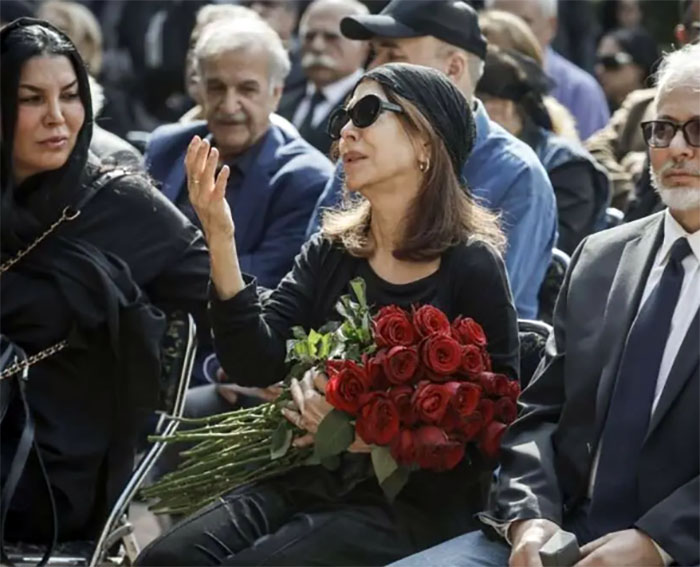
Sirus Ebrahimzadeh Funeral: Details of the Farewell Ceremony in Tehran After His Remains Returned from the United States
a Introduction A farewell ceremony honoring Iranian actor Sirus Ebrahimzadeh was held on the morning of Wednesday, October 21, 2026, … Continue reading ➝

What Does a Strange Taste in Your Mouth Mean?
a Introduction A strange taste in your mouth can be unpleasant, confusing, and sometimes concerning. You might wake up with … Continue reading ➝
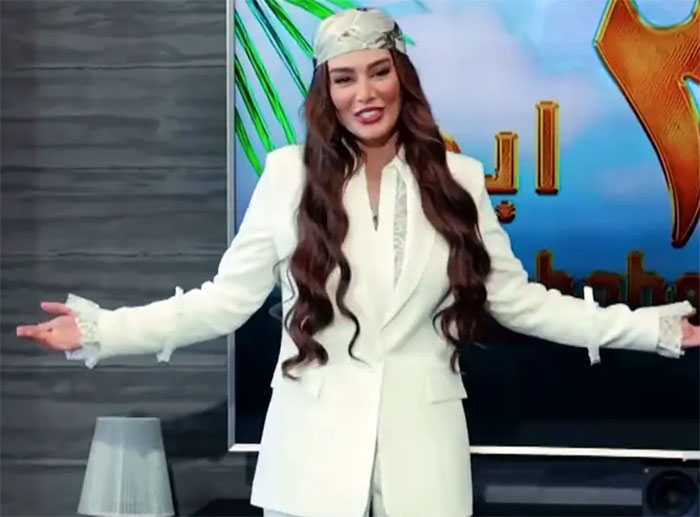
Eshgh-e Abadi Controversy: Shahrzad Report Raises Serious Questions About Reality TV
a Introduction The reality show Eshgh-e Abadi (Eternal Love Camp) has attracted attention following a report published by the Twitter … Continue reading ➝
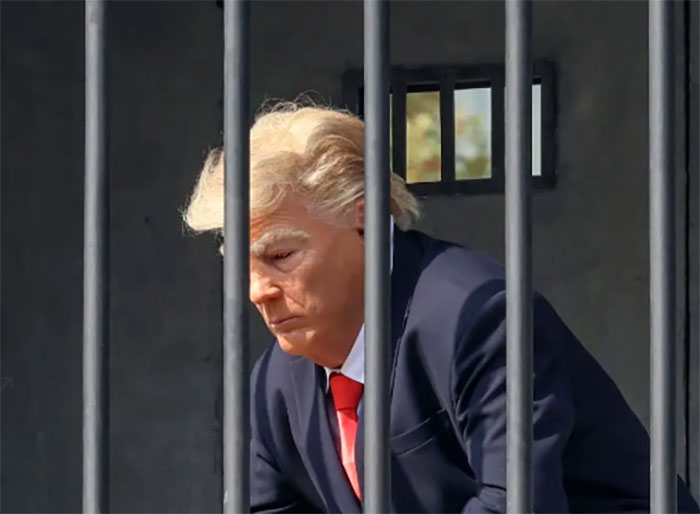
Donald Trump Mask in Tehran: Actor Appears in Mock Prison Cell at Tajrish Square
a Introduction An unusual street installation featuring an Iranian actor wearing a mask depicting US President Donald Trump has attracted … Continue reading ➝

Sam Asghari and Brooke Irwin Star in New Photoshoot: Inside the Model’s Latest Editorial Feature
Introduction Sam Asghari, the Iranian-American model and actor known for his work in fashion, entertainment, and fitness, has appeared in … Continue reading ➝