Armin Laschet Meets Reza Pahlavi in Munich: A Landmark Political Encounter Shaping Future Relations
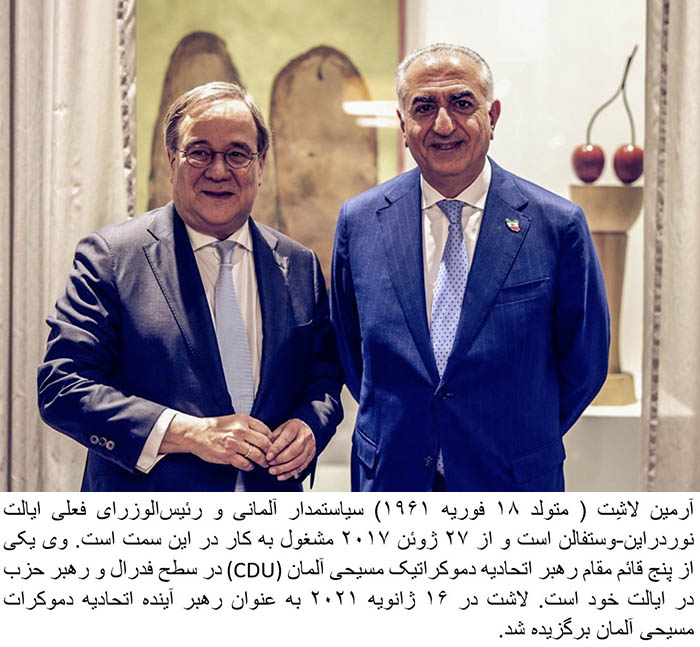
In a historic meeting in Munich, two prominent political figures—Armin Laschet, the former German Minister President and leader of the Christian Democratic Union (CDU), and Reza Pahlavi, the exiled Crown Prince of Iran—converged for discussions with profound implications for international politics, Iran’s future, and European diplomatic strategies. This high-profile encounter has garnered significant attention across global media, political analysts, and diplomatic circles, making it a pivotal event in contemporary geopolitics.
This comprehensive article explores the background of both leaders, the significance of their meeting in Munich, the context of their discussion topics, and the broader implications for Iran, Germany, and international relations. By integrating highly searched keywords, this content aims to optimize visibility and provide an in-depth understanding of this landmark event.
The Context of the Munich Meeting: Analyzing the Significance
Why Munich? The Strategic Choice
Munich, a major European city with a rich history of diplomacy and international dialogue, serves as an ideal location for high-level political meetings. Its central location in Europe, political neutrality, and hosting of global summits make it a strategic venue for discussions involving Iranian opposition figures and European politicians.
High-Profile Meeting: A Signal of Support for Iranian Democracy
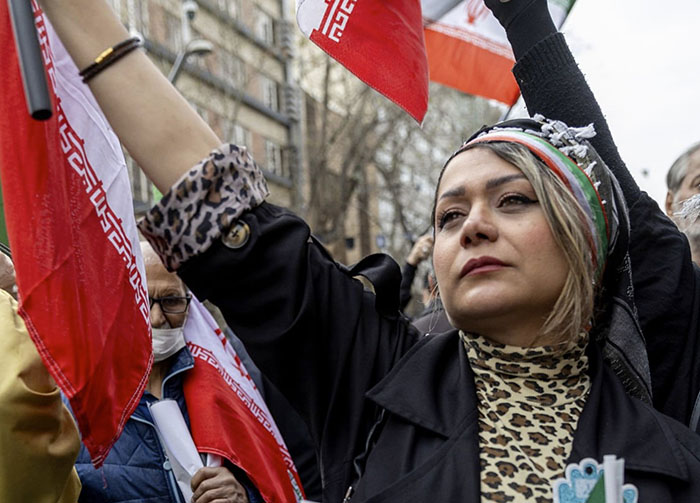
The meeting between Armin Laschet and Reza Pahlavi is seen as a deliberate gesture, signaling European support for democratic movements in Iran and challenging the current Iranian regime. It also underscores Germany’s role as a mediator and supporter of human rights initiatives in the Middle East.
Diplomatic Implications
This encounter potentially influences European-Iranian relations, especially regarding sanctions, diplomatic negotiations, and efforts to support Iranian civil society. It also raises questions about the future of Iran’s political landscape and the role of diaspora opposition figures.