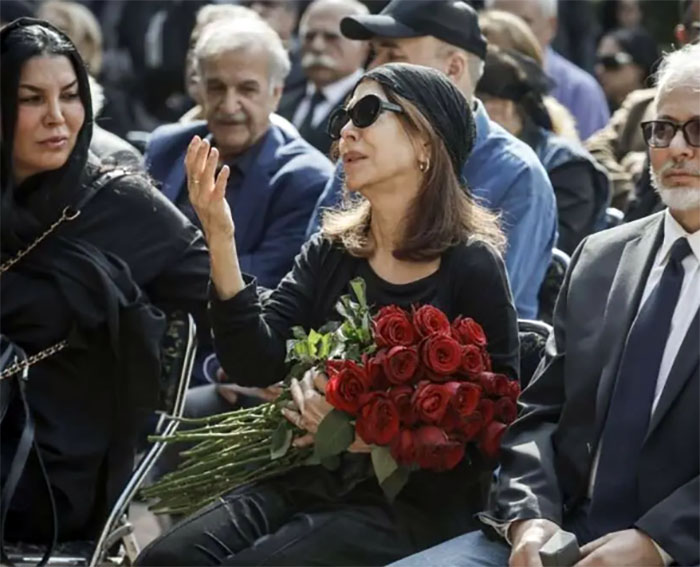
Arash Theater Behind the Scenes: Third Photo Report Featuring Ali Shadman, Sheida Khaligh, Farzad Farzin and More
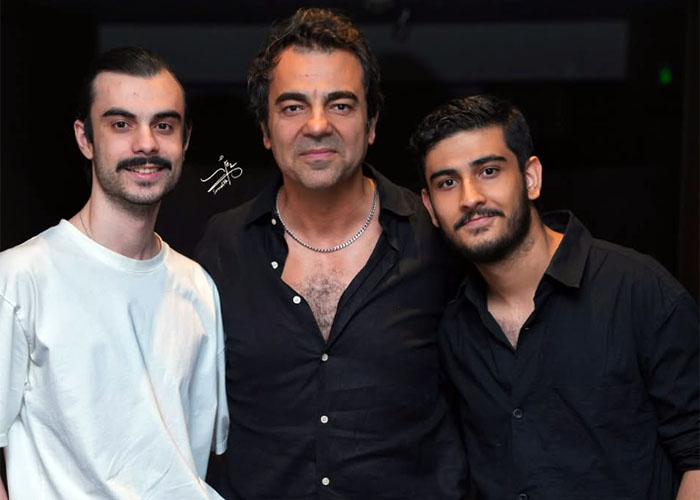
Arash Theater and Contemporary Iranian Stage Production
Contemporary Iranian theater has increasingly incorporated multimedia, music and large-scale visual production.
Arash represents one example of this approach.
The project combines traditional storytelling with modern production technologies and a large professional ensemble.
Video mapping, elaborate masks, stage design, lighting and live orchestral music create an environment that differs from a minimal theater production.
The result is a theatrical experience designed around spectacle as well as narrative.
The Cultural Significance of Arash
The story of Arash has survived because it contains themes that remain recognizable across generations.
The idea of sacrifice for a larger community is central to the traditional story.
So are questions about territory, identity, courage and responsibility.
A contemporary theatrical adaptation can therefore approach the myth from multiple perspectives.
The published description of the production identifies identity, courage, love and choice as central concepts.
These themes allow the production to connect an ancient legend with contemporary audiences.
The Human Side of a Large Theater Production
Backstage photography has an important role in showing the human side of theater.
On stage, performers become characters.
Behind the scenes, audiences see the actors as themselves.
This distinction is particularly visible in the latest Arash photographs.
Ali Shadman, Sheida Khaligh, Elika Naseri, Amin Bani and the other performers are presented outside the formal narrative of the performance.
The result is a more personal visual record of the production.
From Rehearsal to Performance
A large-scale production such as Arash requires extensive preparation before opening.
Actors must coordinate with directors, movement designers, costume teams, makeup artists, lighting technicians and musicians.
The orchestra must synchronize with the theatrical action.
Stage crews must coordinate scenery, lighting, sound, projections and special effects.
The final performance is therefore the visible result of a complex collaborative process.
Behind-the-scenes photographs provide audiences with a small window into that process.
Arash and the Future of Large-Scale Theater
The production also illustrates a broader trend toward hybrid entertainment.
Modern theater can incorporate cinematic visual language, concert-style music, digital projection, elaborate costume design and social-media-oriented promotion.
Arash combines these elements around an established cultural narrative.
This model can make traditional stories accessible to audiences who might not normally attend a conventional dramatic performance.