Ali Shamkhani’s Recent Photos and the Aftermath of Israeli Attacks on Officials: A Deep Dive
The Broader Geopolitical Landscape in 2025
Evolving Alliances and Power Dynamics
In 2025, the Middle East remains a complex mosaic of alliances, rivalries, and strategic partnerships. Countries are recalibrating their foreign policies in response to shifting regional and global influences. Major powers such as the United States, Russia, China, and regional players are vying for influence through military aid, diplomatic engagement, and covert operations.
Key Regional Players and Alliances:
- The Eastern Bloc: Countries aligning with China and Russia are investing heavily in military infrastructure, cyber capabilities, and strategic diplomacy. Their goal is to counterbalance Western influence and establish regional dominance.
- The Gulf States: Nations like the Gulf Cooperation Council (GCC) members are modernizing their military forces and strengthening security alliances, often seeking external support to safeguard their interests.
- The Eastern Mediterranean: Countries such as Turkey and regional partners are asserting their influence through military interventions and regional diplomacy, which often clash with other power centers.
- Local Non-State Actors: Proxy groups and militant factions continue to operate across borders, complicating efforts to achieve stability.
Proxy Conflicts and Covert Operations
Proxy conflicts are at the heart of regional instability. These conflicts are often fueled by external powers supporting different factions, aiming to increase their influence without direct confrontation.
- Targeted Assassinations and Covert Attacks: Intelligence agencies engage in targeted operations against perceived threats, including high-ranking security officials and strategic assets.
- Cyber Warfare: Cyberattacks have become a primary tool for espionage, sabotage, and psychological operations, disrupting critical infrastructure and intelligence networks.
- Missile Exchanges and Skirmishes: Border skirmishes and aerial confrontations have increased, raising fears of full-scale escalation.
The Attack on Shamkhani’s Residence
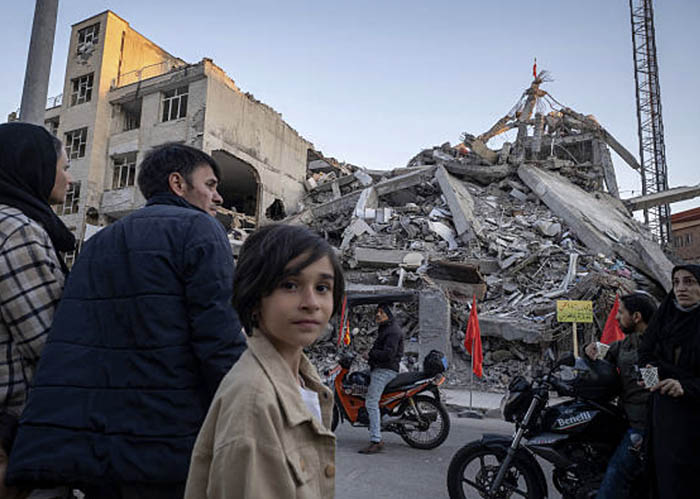
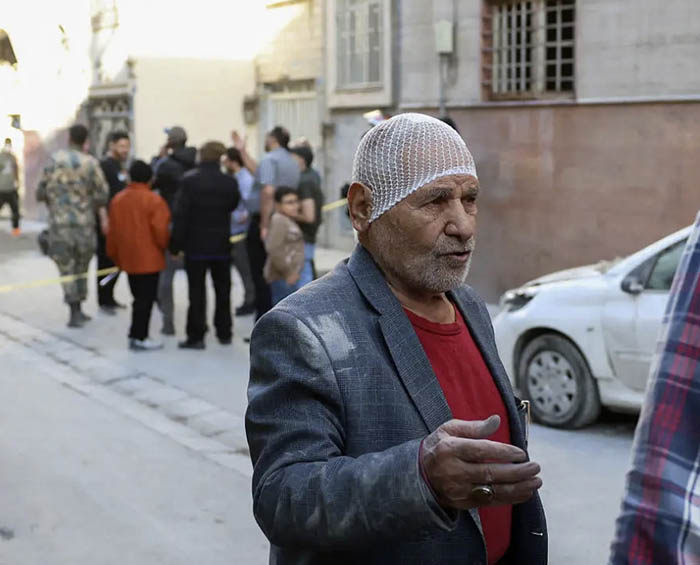
On June 13, 2025, reports emerged of a sophisticated covert attack on Shamkhani’s residence. The operation, allegedly carried out by a foreign intelligence agency, caused significant damage to his residence but resulted in no casualties. The attack was seen as a direct message, signaling that external actors were willing to target key security officials to destabilize the regional order.
Implications of the Attack:
- It heightened fears of a broader covert war.
- It prompted increased security measures for Shamkhani and other top officials.
- It intensified diplomatic tensions, with calls for restraint from international mediators.
Shamkhani’s Resilience and Public Presence
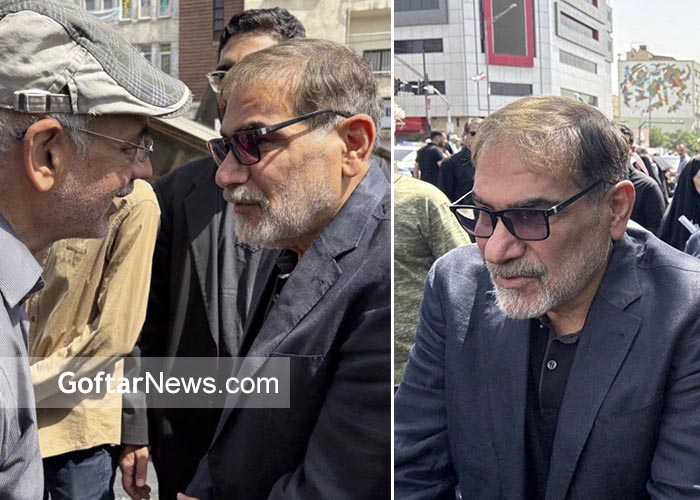
Despite the attack and rumors about his health, Shamkhani’s public appearance—most notably his recent photos at a funeral—served as a symbolic act of resilience. The images, showing him with a cane, became a rallying point for supporters and a stark reminder of the ongoing threats faced by regional security leaders.
His appearance was carefully analyzed by security experts, who saw it as a message of steadfastness amid adversity. The images also signaled to external actors that his influence and resolve remained intact, even in the face of targeted operations.
June 28, 2025 | 11:17 am