08 Captivating AI-Generated Photos of the Kings of Persia – A Visual Journey Through History

6. Tahmasp I
Tahmasp I ( 22 February 1514 – 14 May 1576) was the second shah of Safavid Iran from 1524 until his death in 1576. He was the eldest son of Shah Ismail I and his principal consort, Tajlu Khanum.
Tahmasp ascended the throne after the death of his father on 23 May 1524. The first years of Tahmasp’s reign were marked by civil wars between the Qizilbash leaders until 1532, when he asserted his authority and began an absolute monarchy. He soon faced a long-lasting war with the Ottoman Empire, which unfolded in three phases. The Ottoman Sultan, Suleiman the Magnificent, attempted to install his candidates on the Safavid throne. This conflict ended with the Peace of Amasya in 1555, where the Ottomans gained sovereignty over Iraq, much of Kurdistan, and western Georgia. Additionally, he had ongoing conflicts with the Uzbeks of Bukhara over Khorasan, with them frequently raiding Herat. Notably, in 1528, at the age of fourteen, he demonstrated his military ingenuity by defeating the Uzbeks in the Battle of Jam using artillery.
Tahmasp was also a patron of the arts and was an accomplished painter himself. He established a royal house of arts for painters, calligraphers, and poets. However, later in his reign, he grew disenchanted with poets and shunned many, even exiling them to the Mughal court of India. His reign is also characterized by his devoutness and fervent zeal for the Shia branch of Islam. He granted many privileges to the clergy and allowed them to engage in legal and administrative matters. In 1544, he famously demanded that the fugitive Mughal emperor Humayun convert to Shi’ism in exchange for military assistance to reclaim his throne in India. Despite his religious leanings, Tahmasp negotiated alliances with Christian powers such as the Republic of Venice and the Habsburg monarchy, who were rivals of the Ottoman Empire.
AI-generated representations of Tahmasp I often depict him in rich Persian attire, symbolizing his royal status and artistic patronage. He is frequently shown amidst artistic elements reflecting the cultural flourishing of Safavid Iran. The backgrounds in these images capture the architectural beauty of his time, including aspects of Isfahan, the city he later developed into a cultural and political capital.
More stories
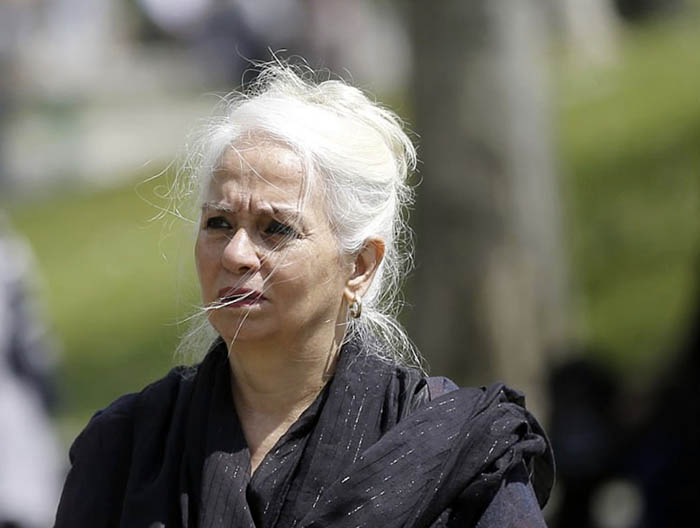
13 Bedar in Tehran: Celebrating Life on the Frontline of War
Introduction In the heart of Tehran, where headlines often speak of geopolitical tension, military escalation, and uncertainty, a different story … Continue reading ➝
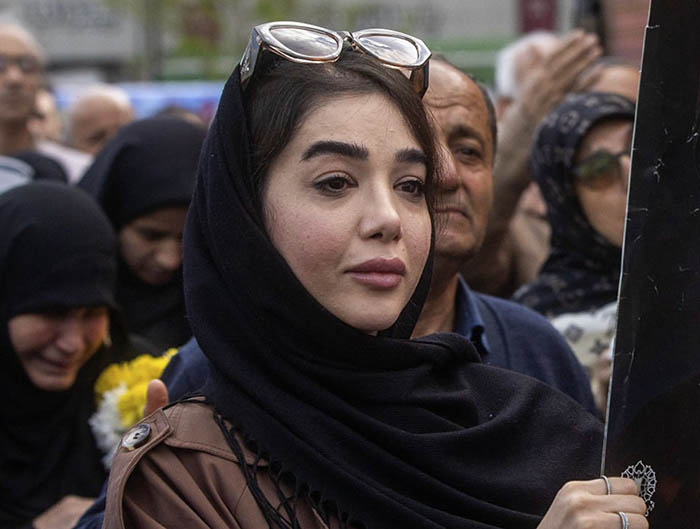
A Mournful Face at Tangsiri’s Funeral: Grief, Power, and Tension in Tehran
Introduction The image of a mournful face at the funeral of Alireza Tangsiri has become one of the most haunting … Continue reading ➝
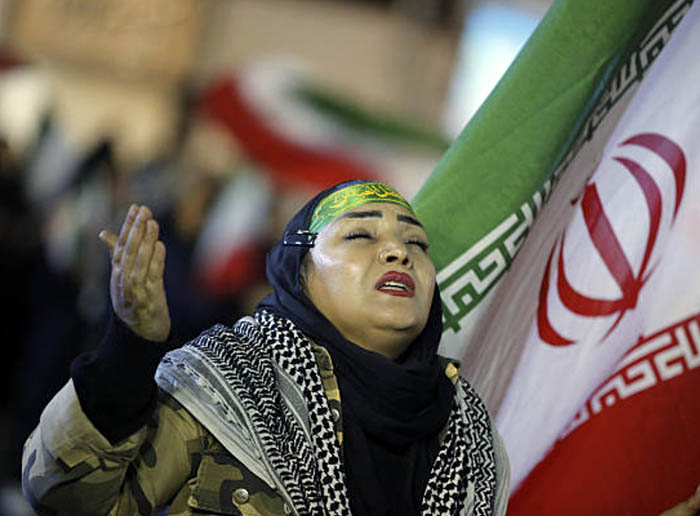
Israeli and U.S. Attacks on Spark Mass Protests in Tehran: Rising Middle East Tensions in 2026
Introduction In a dramatic escalation of tensions in the Middle East, mass protests erupted in Tehran following reports of coordinated … Continue reading ➝
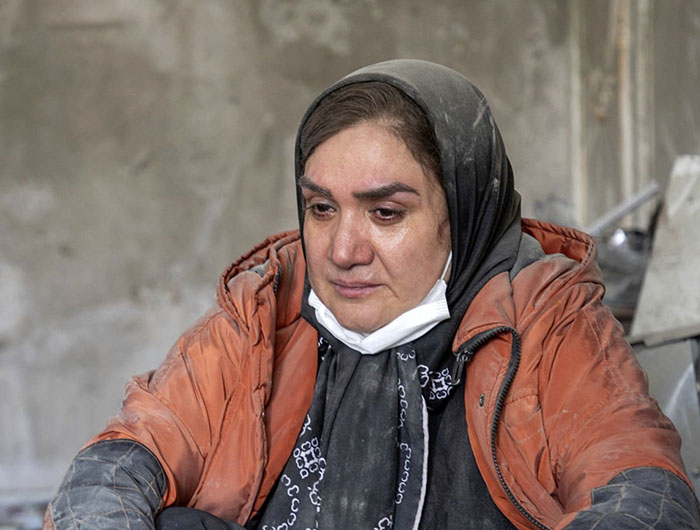
The Sorrow of Destruction in West Tehran: Inside the Human Cost of the War
Introduction The city of Tehran woke to devastation on March 30, 2026. In the western districts of Iran’s capital, residential … Continue reading ➝
US–Israel–Iran War Demonstration in Washington, DC: Iranian Diaspora Rally for Freedom
Introduction On March 29, 2026, thousands gathered on the National Mall in Washington, DC near the iconic US Capitol to … Continue reading ➝