Personal Reflections and Legacy
Araghchi’s Diplomatic Philosophy
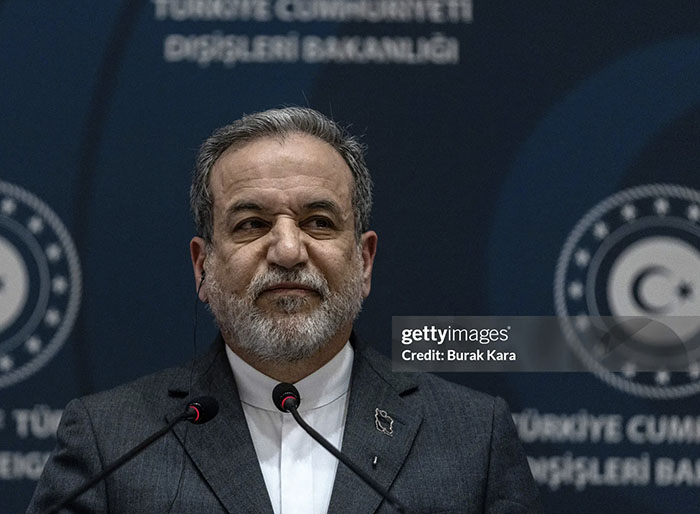
Throughout this crisis, Abbas Araghchi demonstrated the qualities of a seasoned diplomat: patience, strategic patience, and a deep understanding of regional and global politics. His reactions reflected a careful calculation—supporting Iran’s internal security while engaging diplomatically to avoid international isolation.
His handling of the crisis was a testament to his belief in diplomacy as a tool for resilience, even amidst violence and upheaval. Many analysts viewed his responses as an attempt to preserve Iran’s international legitimacy and mitigate long-term damage.
Potential Future Role
Looking ahead, Araghchi’s role was poised to evolve. As Iran faced ongoing internal and external challenges, his diplomatic expertise would be crucial in shaping Iran’s future foreign policy, especially in navigating tensions with the US, EU, and regional rivals.
Conclusion
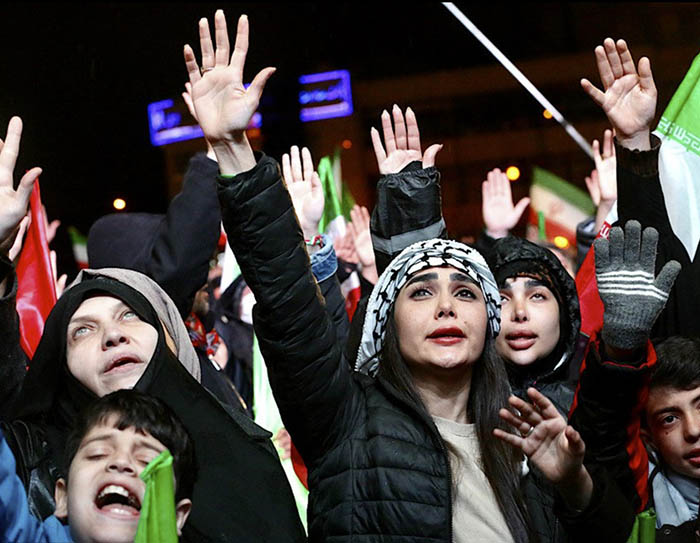
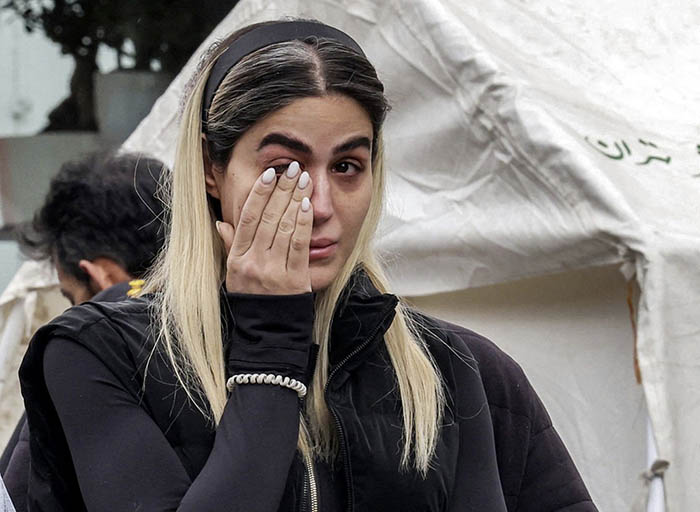
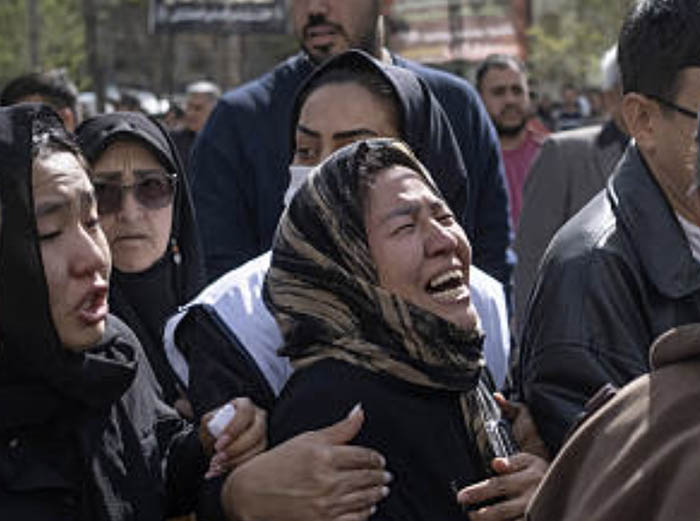
The bloody massacre of January 2026 was a watershed moment for Iran, testing its internal cohesion and external diplomacy. Abbas Araghchi’s reactions were characterized by a strategic combination of diplomatic restraint, regional engagement, and internal messaging. His approach aimed to uphold Iran’s sovereignty, manage regional tensions, and seek pathways for diplomatic resolution.
While the event cast a long shadow over Iran’s domestic and international relations, Araghchi’s responses underscored his commitment to Iran’s strategic interests and his belief in diplomacy as a means of navigating crisis. His handling of this crisis will likely be remembered as a defining chapter in Iran’s diplomatic history, reflecting resilience, pragmatism, and a nuanced understanding of geopolitics.