Abbas Araghchi’s Reaction After the Bloody Massacre in January 2026: An In-Depth Analysis
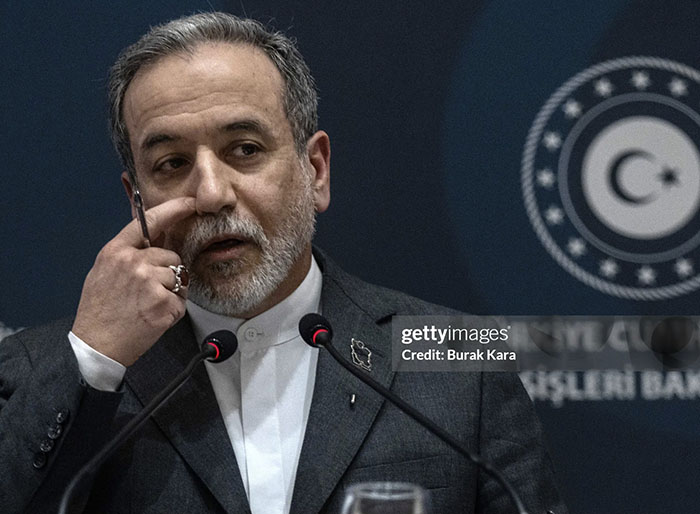
Long-term Diplomatic Strategies
In the months following the massacre, Araghchi focused on diplomatic engagement aimed at lifting sanctions and restoring Iran’s international standing. This involved negotiations with European countries, attempts to revive the JCPOA (Joint Comprehensive Plan of Action), and efforts to counteract the US’s “maximum pressure” strategy.
His diplomatic efforts also sought to reassure regional allies of Iran’s stability and resilience, positioning Iran as a key player capable of weathering external pressures while safeguarding its sovereignty.
Internal Political Dynamics and Media Strategies
Navigating Domestic Dissent
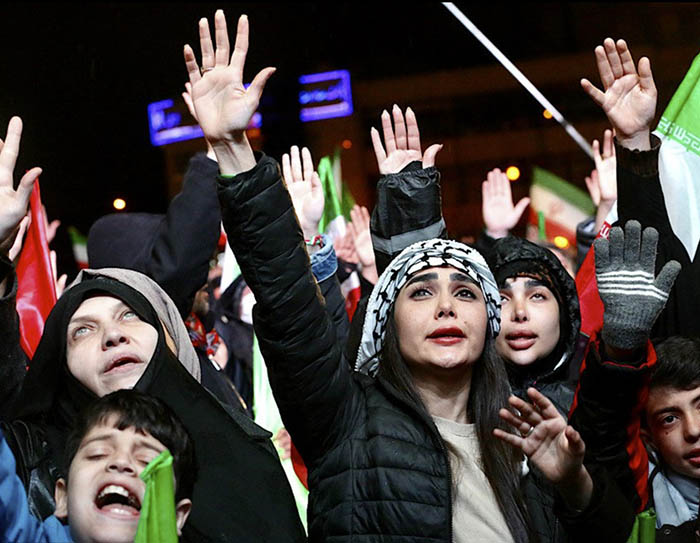
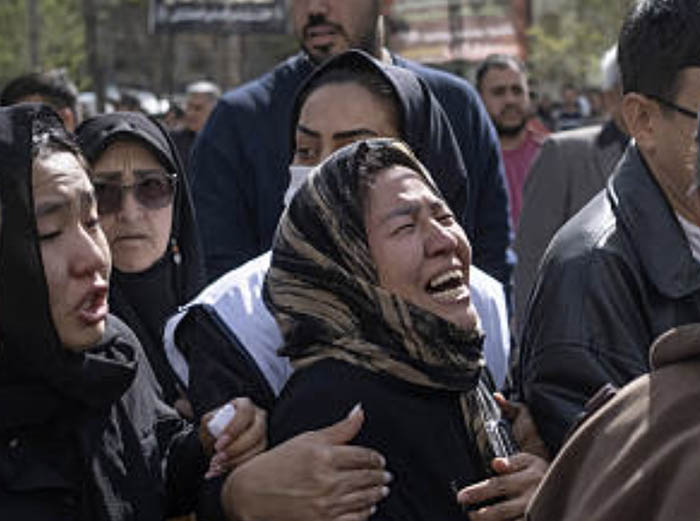
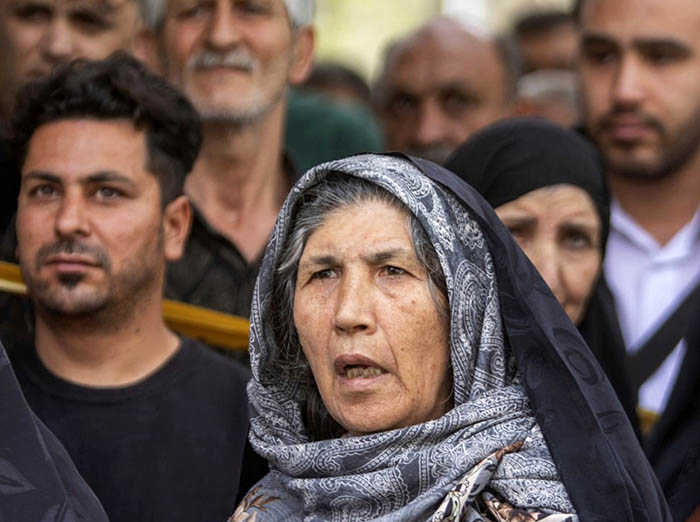
Following the massacre, Iran’s internal political landscape was under intense scrutiny. The regime faced mounting protests and a wave of public dissent, with many Iranians condemning the violence and demanding accountability. As a senior diplomat, Abbas Araghchi’s role extended beyond external diplomacy; he also had to manage internal messaging and political stability.
While the Supreme Leader and hardline factions emphasized maintaining order through force, Araghchi’s approach was more nuanced. He publicly supported the government’s right to uphold security but also subtly signaled the importance of international legitimacy and diplomacy. His statements aimed to prevent further alienation of the international community, which could exacerbate internal pressures.
Use of Media and Information Control
In Iran, controlling the narrative was crucial. State media outlets amplified the government’s official stance, portraying the protests as instigated by foreign enemies and emphasizing the need for national unity. Araghchi’s diplomatic communications echoed this narrative, framing Iran as a victim of external destabilization efforts.
Social media was heavily monitored and censored. Araghchi’s diplomatic team worked to craft messages that balanced internal loyalty with external diplomacy. They sought to depict Iran as a resilient nation defending its sovereignty, while also signaling openness to dialogue and international cooperation to mitigate sanctions.
January 30, 2026 | 7:23 pm