Abbas Araghchi’s Reaction After the Bloody Massacre in January 2026: An In-Depth Analysis
Official Statements and Diplomatic Messaging
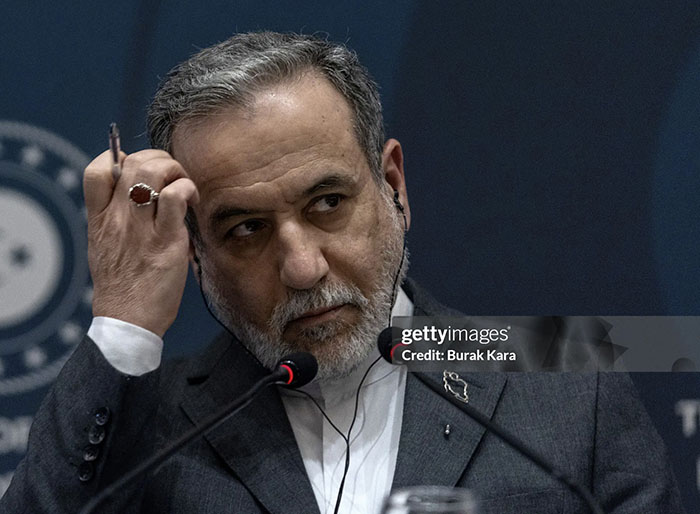
In the immediate aftermath of the massacre, Abbas Araghchi issued a carefully calibrated statement from Istanbul, where he was engaged in diplomatic negotiations with Turkish officials. His initial comments emphasized Iran’s stance on sovereignty and non-interference, asserting that the Iranian government was committed to investigating the events and ensuring justice for the victims.
He stated:
“Iran condemns violence and is committed to a thorough and transparent investigation. We call for calm and dialogue to resolve the issues that have led to these tragic events. Iran’s sovereignty and national stability remain our top priorities.”
This diplomatic language aimed to project an image of restraint and responsibility, while also deflecting external accusations of human rights violations. Araghchi’s emphasis on investigation and dialogue was consistent with Iran’s long-standing diplomatic approach, seeking to avoid external intervention and maintain regional stability.
Managing Regional Diplomacy
Following the massacre, Araghchi engaged in intensive diplomatic outreach with Turkey, Iraq, Syria, and other regional actors. His goal was to prevent the incident from escalating into a wider regional conflict or provoking foreign military intervention.
In meetings with Turkish Foreign Minister Hakan Fidan, Araghchi underscored Iran’s willingness to collaborate on humanitarian and security issues, while also defending Iran’s internal policies. He highlighted Iran’s view that the unrest was a result of external destabilization efforts, a narrative frequently promoted by Iran’s leadership to justify domestic crackdowns.
He also communicated with counterparts in Iraq and Syria, emphasizing Iran’s role as a stabilizing force in regional conflicts and condemning what Iran described as foreign interference.
January 30, 2026 | 7:23 pm