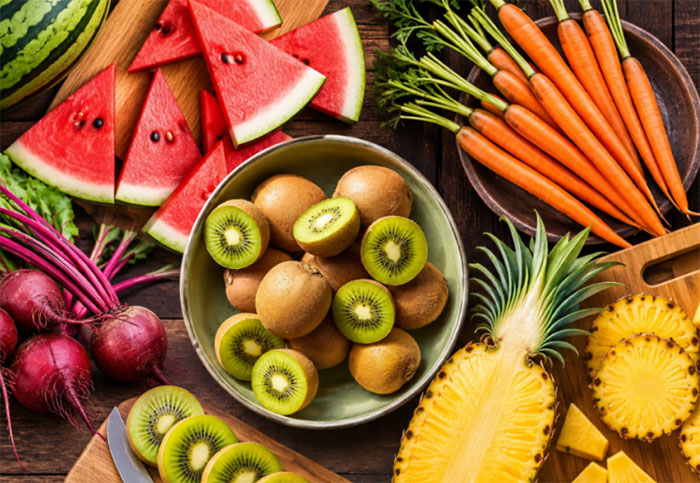
Don’t Throw Away These Parts of Fruits and Vegetables: 12 Edible Food Scraps That Are Packed With Fiber and Nutrients
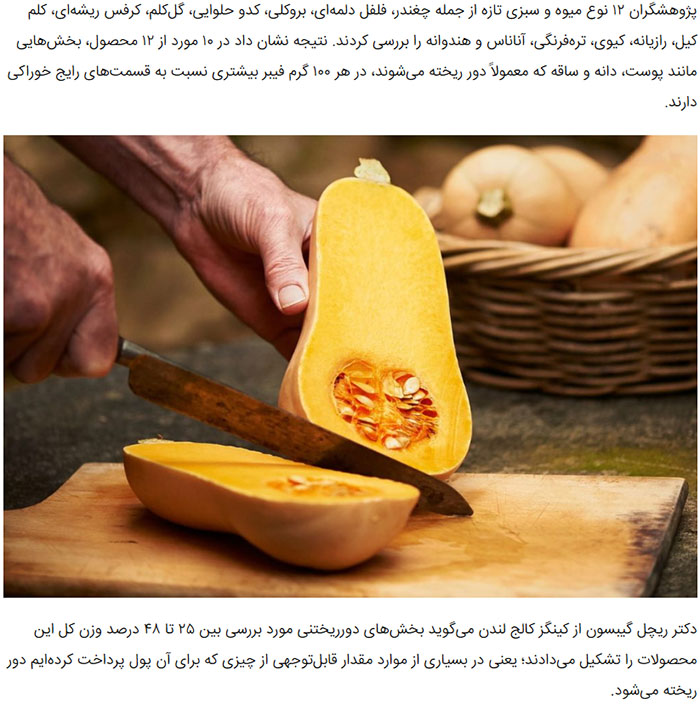
Most people carefully wash their fruits and vegetables, remove the skins, cut away the stems, separate the leaves and discard anything that seems too tough or inconvenient to eat. It is an ordinary part of preparing food, and most households rarely question it.
However, what if some of the healthiest parts of your fruits and vegetables are the very parts you throw away?
From the fuzzy skin of a kiwi to the thick stalks of broccoli, pumpkin seeds, carrot tops and the white flesh of watermelon rind, many commonly discarded food parts contain valuable dietary fiber, vitamins, minerals and beneficial plant compounds.
Growing scientific interest in food waste reduction and whole-food nutrition is challenging traditional food preparation habits. Researchers are increasingly examining whether eating more of the edible portions of fruits and vegetables could help people improve their diets while reducing the amount of food wasted at home.
Research from King’s College London has brought additional attention to this subject. Researchers examined 12 types of fresh fruits and vegetables and compared the nutritional composition of commonly consumed portions with parts that are usually discarded during food preparation.
Their findings highlighted an interesting nutritional opportunity: for 10 of the 12 foods examined, discarded portions contained more dietary fiber per 100 grams than the parts people typically eat.
This does not mean that every peel, stalk or seed is automatically healthier than the flesh. Some parts are difficult to digest, some require cooking, and others should not be eaten at all. However, it does suggest that many households could obtain additional nutritional value from food they already purchase.
The potential benefits go beyond nutrition.
Using more edible portions of fruits and vegetables can help reduce household food waste, make grocery shopping more economical and introduce new ingredients into everyday meals.
In this guide, we explore 12 commonly discarded fruit and vegetable parts that deserve more attention, explain their nutritional value, and show how to prepare them safely and deliciously.
Why You Should Stop Throwing Away Edible Fruit and Vegetable Parts
Fruits and vegetables are complex foods containing different combinations of fiber, vitamins, minerals, antioxidants and other naturally occurring plant compounds.
These nutrients are not always distributed evenly throughout the edible parts of a plant.
In many cases, the outer layers, leaves, seeds and stems contain substantial quantities of dietary fiber and protective plant compounds.
For example, fruit peels can contain concentrated amounts of certain polyphenols, while vegetable leaves may provide vitamins and minerals that are less abundant in the central portion of the vegetable.
This is one reason nutrition researchers are becoming increasingly interested in whole-food consumption and root-to-stem cooking.
November 20, 2026 | 6:59 pm