Don’t Throw Away These Parts of Fruits and Vegetables: 12 Edible Food Scraps That Are Packed With Fiber and Nutrients
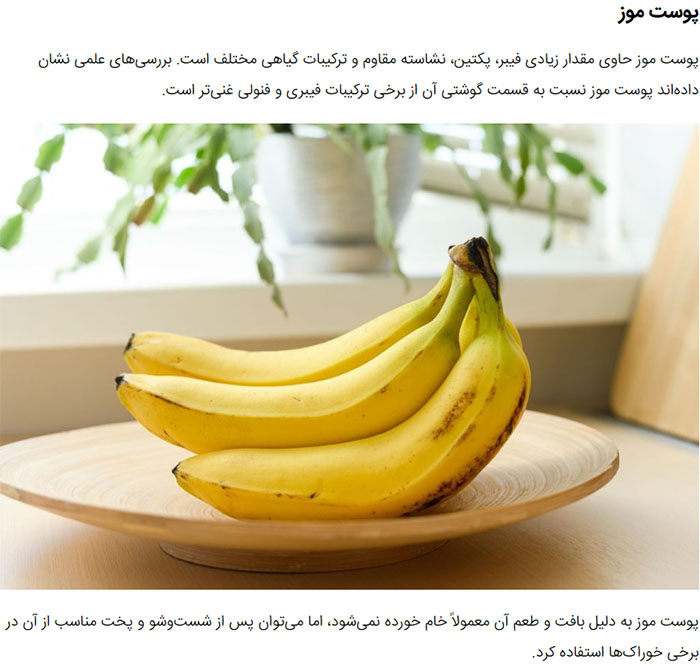
Banana Peels: A Surprisingly Fiber-Rich Part of the Fruit
Bananas are among the world’s most widely consumed fruits.
They are convenient, naturally sweet and provide potassium, vitamin B6 and dietary fiber.
But the peel, which is usually discarded immediately, also contains potentially valuable nutritional compounds.
Scientific studies have investigated banana peels because they contain dietary fiber, pectin, resistant starch and various phenolic compounds.
Some research suggests that banana peels can contain higher concentrations of particular fiber types and phenolic compounds than the edible flesh.
What makes banana peels interesting?
Banana peels contain several components worth examining:
Dietary fiber: Banana peels provide structural plant fibers that can contribute to overall fiber intake.
Pectin: This soluble fiber is found naturally in plant cell walls and is commonly used in food production as a gelling agent.
Resistant starch: Depending on the banana’s maturity and preparation, banana-derived ingredients can contain resistant starch, which is not digested in the same way as ordinary starch.
Phenolic compounds: These naturally occurring plant substances are studied for their antioxidant properties.
However, the nutritional composition of banana peels varies depending on the banana variety and ripeness.
Can you eat banana peels raw?
Although banana peels are technically edible, their tough texture and bitter flavor make them less appealing when eaten raw.
Cooking can soften the peel and improve its texture.
How to prepare banana peels
1. Banana peel smoothies
Wash the banana thoroughly, remove the ends and cook the peel until softened before blending it into a smoothie.
2. Banana peel curry
In some culinary traditions, banana peels are incorporated into savory dishes with spices, onions and tomatoes.
3. Cooked banana peel recipes
Softened banana peels can be chopped and incorporated into vegetable dishes, stews and other cooked recipes.
4. Banana peel flour
Dried and finely ground banana peel can be processed into flour for certain baking applications. This is a specialized ingredient rather than a direct substitute for ordinary wheat flour.
Important food safety considerations
Always wash banana peels thoroughly.
Use clean, undamaged bananas and avoid consuming peels that have been exposed to contamination or chemical treatments unsuitable for food use.
Start with small amounts because the high fiber content may cause digestive discomfort in some people.
November 20, 2026 | 6:59 pm