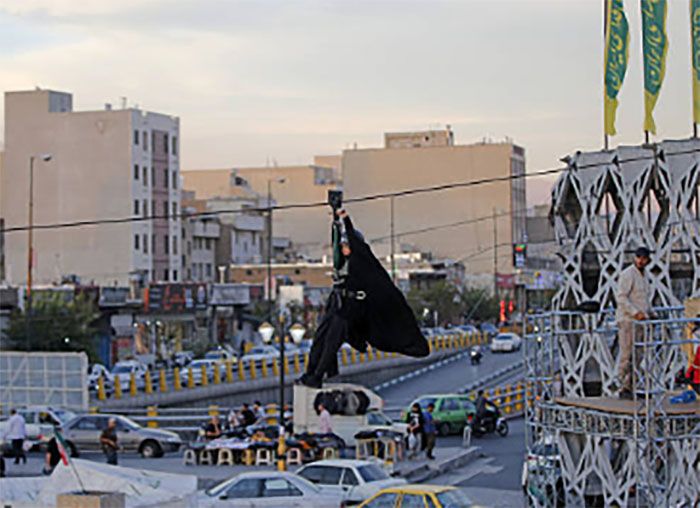
Tehran Without the Filter: Women, Street Life and Social Change
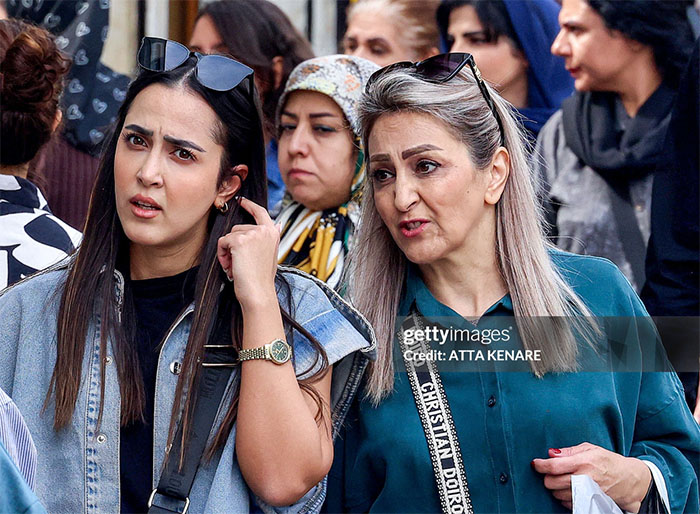
Tehran is a city of contrasts. The capital of Iran combines crowded streets, modern shopping centers, traditional neighborhoods, contemporary cafés, historic architecture, universities, parks and a rapidly changing urban culture. For millions of residents, everyday life in Tehran exists between official rules and the realities of a diverse society.
Recent photographs from Tehran showing women walking without the hijab and women socializing in cafés have again drawn attention to one of the most visible aspects of changing social life in Iran: the way some women increasingly appear in public without the mandatory head covering that has long been a defining feature of the country’s dress regulations.
The images provide a glimpse of Tehran street life in October 2026, but they also raise broader questions about women in Iran, Tehran without hijab, Iranian women’s fashion, social change in Iran, life in Tehran, and the changing culture of the Iranian capital.
Tehran Without the Filter
The phrase “Tehran without the filter” can describe an attempt to look beyond simplified images of Iran and examine the everyday city as it is experienced by its residents.
Tehran is not a single cultural environment. It is a huge metropolitan area with different social groups, economic backgrounds, generations and lifestyles. What is visible in an upscale northern Tehran café may look very different from daily life in another part of the city.
The same is true of women’s clothing.
While Iranian law has historically required women to observe hijab in public, photographs and videos shared from Tehran in recent years have increasingly shown women appearing in public spaces without traditional head coverings. The phenomenon became especially visible after the nationwide protests that followed the death of Mahsa Amini in 2022.
The issue of women without hijab in Tehran therefore extends beyond fashion. It has become associated with questions surrounding personal autonomy, public space, generational change, social norms and the relationship between citizens and government regulations.
October 7, 2026 | 8:24 pm