Daily Life in Tehran Amidst Turmoil and Diplomatic Resumption: The Aftermath of January in 2026
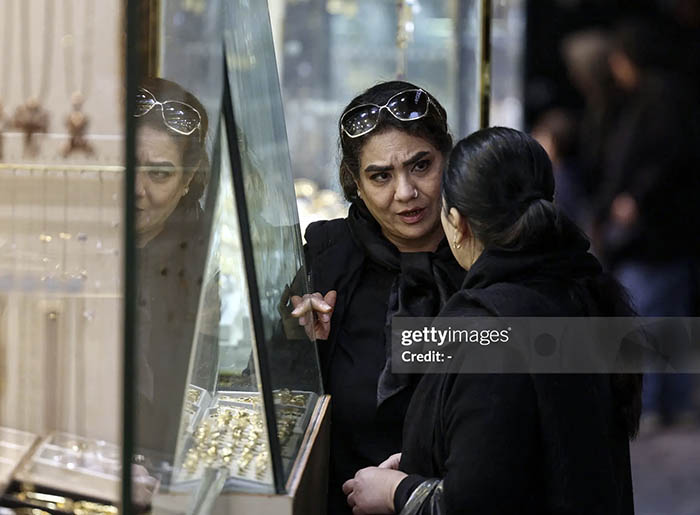
In early 2026, Iran finds itself at a pivotal crossroads—where internal struggles and external diplomatic efforts intertwine amidst a backdrop of social upheaval and political uncertainty. The resumption of Iran-US nuclear talks in Geneva signifies a potential shift towards diplomacy, yet the scars of recent protests and violence continue to influence the mood within Tehran and across Iran. The Grand Bazaar, a historic symbol of Iran’s economic and cultural identity, bears the aftermath of recent massacres of government protestors in January 2026, marking a somber chapter in Iran’s ongoing quest for change and stability.
The Socio-Political Landscape Post-January 2026
In January 2026, Iran experienced one of its most turbulent periods in recent history. Massive protests erupted across Tehran and other major cities, triggered by economic hardship, political repression, and demands for civil liberties. The government’s response was swift and brutal: security forces opened fire on demonstrators in the Grand Bazaar and other key urban centers, resulting in a massacre of protestors. The event shocked the nation and drew international condemnation.
The massacre of protestors in the Grand Bazaar, a UNESCO World Heritage site and Iran’s economic heart, became a symbol of resistance and resilience. The images of blood-stained carpets and shattered glass amid the historic marketplace became global symbols of Iran’s struggle for freedom. The government justified its crackdown as necessary to maintain order, but the international community condemned the violence, calling for accountability and reform.
February 24, 2026 | 10:10 pm