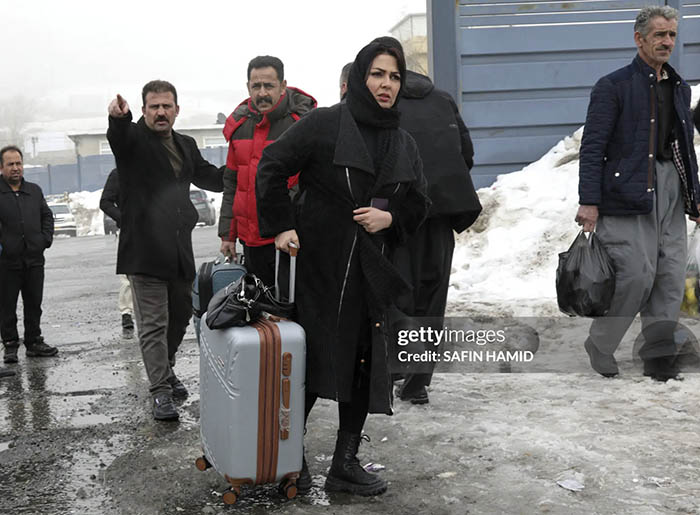
Tensions at the Border: A Humanitarian Reflection Amid Geopolitical Unrest
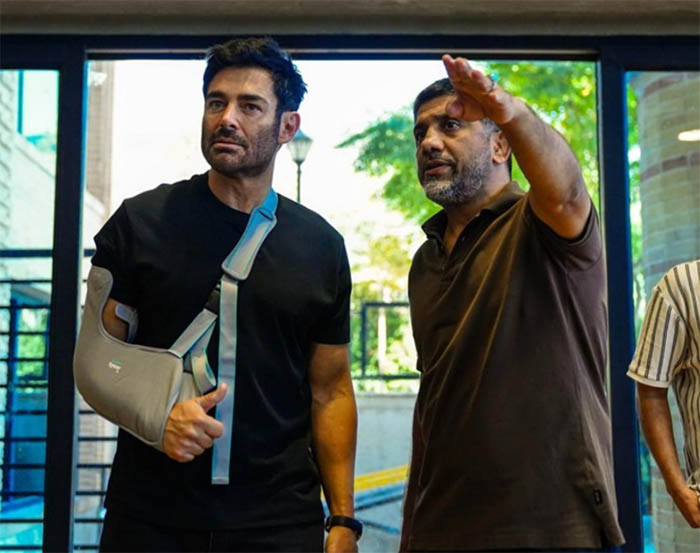
Introduction Mohammad Reza Golzar visited the Iran Wrestling Federation and the national teams’ training camp on Monday, September 21, 2026, … Continue reading ➝
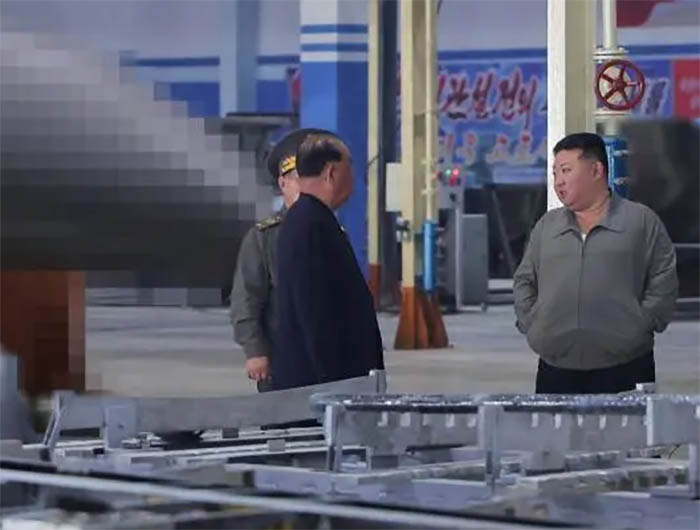
Introduction North Korean leader Kim Jong Un has called for greater use of artificial intelligence, automation and advanced technology in … Continue reading ➝
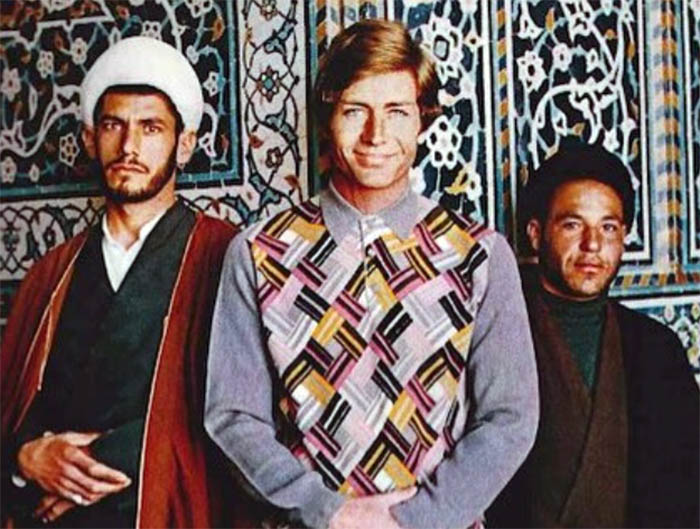
Introduction In 1969, GQ magazine turned its attention to a country that was undergoing one of the most dramatic periods … Continue reading ➝
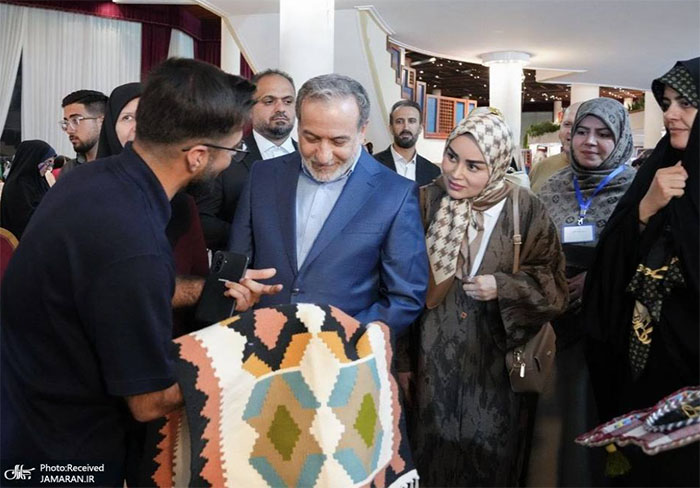
Introduction Foreign Minister Seyed Abbas Araghchi visited the Diplomatic Ladies’ Association charity exhibition in Tehran on Thursday evening, September 3, … Continue reading ➝
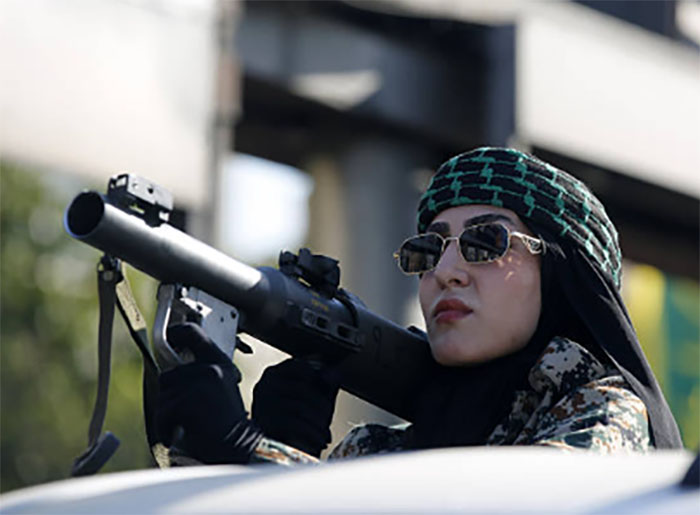
Introduction Tehran witnessed one of the most unusual public mobilization events in Iran in recent months as thousands of volunteers … Continue reading ➝