Mohsen Makhmalbaf: The Filmmaker’s Journey from Ideological Cinema to Global Recognition

Introduction

Mohsen Makhmalbaf stands as one of the most influential and celebrated figures in Iranian cinema history. Recognized globally for his profound storytelling, artistic innovation, and social commentary, Makhmalbaf’s films have garnered numerous awards at major international film festivals including Cannes, Venice, and Berlinale. His journey from a radical revolutionary to a pioneering filmmaker exemplifies the transformative power of cinema in shaping cultural and political discourse.

Early Life and Background of Mohsen Makhmalbaf

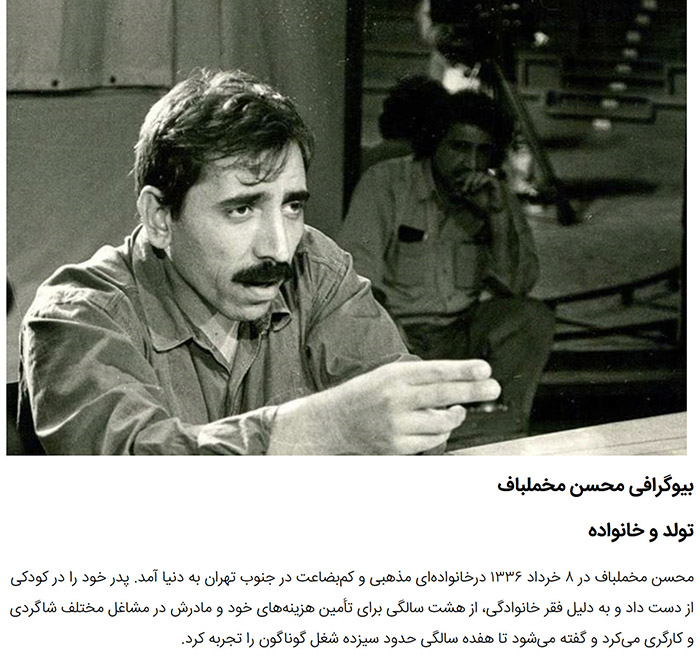
Born on June 29, 1953, in southern Tehran, Iran, Mohsen Makhmalbaf’s humble beginnings significantly influenced his artistic perspective. Growing up in a poor, religious family, he faced hardship from an early age, losing his father during childhood and supporting his family through various labor jobs from the age of eight. These struggles instilled in him a deep understanding of social injustice—an element that would later permeate his cinematic themes.

Political Activism and Imprisonment During Pahlavi Regime

Makhmalbaf’s political activism began in his teenage years, opposing the autocratic Pahlavi monarchy. At just 15, he formed a guerrilla group and participated in armed resistance. His activism led to his arrest at 17 after an attack on a police officer, which resulted in over four years of imprisonment. During incarceration, Makhmalbaf’s ideological stance evolved from Marxism to Islamic revolutionary thought, influenced by Islamic texts and his association with Muslim fighters.

His political journey is central to understanding his cinematic evolution—initially radical and revolutionary, later more socially reflective and artistic. This transformation reflects the complex relationship between politics and art in Iran’s turbulent history.

Pages ( 1 of 14 ): 1 23 ... 14Next »
November 8, 2025 | 4:52 pm