Leila Hatami or Audrey Hepburn? The Last Innocent of Cinema
Introduction
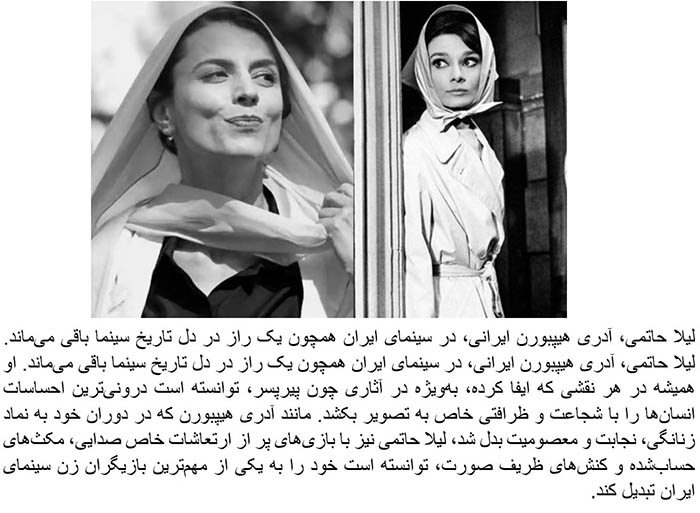
Leila Hatami, often dubbed the “Iranian Audrey Hepburn,” stands as one of the most iconic and enigmatic actresses in Iranian cinema history. Her delicate performances, elegance, and innate ability to portray complex human emotions have earned her a special place in the hearts of Iranian film lovers and cinema critics alike. Just as Audrey Hepburn became a symbol of femininity, innocence, and decency in Hollywood, Leila Hatami has achieved a similar status within the Iranian film industry, representing the last innocence in a cinematic landscape often characterized by social and political upheaval.
In this comprehensive analysis, we explore the cinematic journey of Leila Hatami, her notable roles, acting style, and the reasons why she is considered the “last innocent” in Iranian cinema. We will compare her persona and performances to those of Audrey Hepburn, emphasizing their shared qualities of fragility, elegance, and depth.
Acting Technique and Emotional Nuance
Leila Hatami’s acting craft exemplifies subtlety and nuance. She masterfully employs calculated pauses, facial expressions, and vocal inflections to communicate complex emotional states without excess.
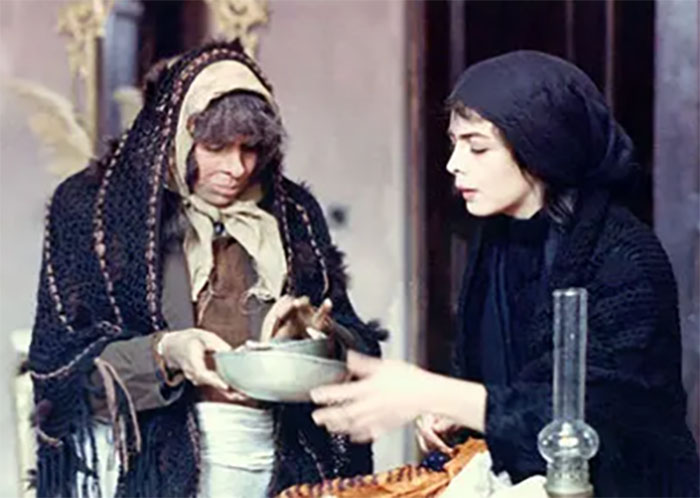
Her ability to embody different characters—from fragile victims to rebellious spirits—demonstrates her versatility and depth as an actress. Critics often praise her for her authenticity, which makes her performances timeless and universally relatable.
Style and Public Persona
Much like Audrey Hepburn, Hatami’s style combines simplicity with elegance. She often chooses minimalist yet sophisticated outfits for public appearances, emphasizing modesty, refinement, and cultural pride.
Her public image reflects her authentic personality—a woman who embodies inner strength and grace, inspiring countless fans and aspiring actresses.