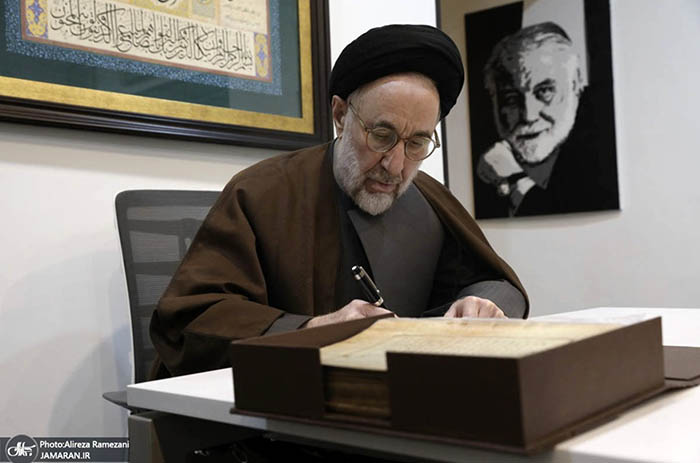
Seyyed Mohammad Khatami Visits Dr. Hassan Habibi Museum: A Reflection on Reform and Legacy
The Legacy of Intellectualism in Iran
Khatami’s intellectual contributions created a legacy that resonates in academic and cultural institutions across the country. His insistence on the importance of wisdom, understanding, and ethical governance has influenced many scholars and political thinkers within Iran.
As a proponent of philosophy and civilizational dialogue, Khatami believes that intellectual engagement is critical for societal progress. His work has helped cultivate a generation of thinkers who advocate for informed discourse and view the development of knowledge as essential to a thriving democracy.
Academic institutions and civil society organizations inspired by Khatami’s ideals have begun to emerge, facilitating discussions on human rights, freedom, and governance. In this respect, Khatami’s influence is evident, as new organizations work tirelessly to contribute to the ongoing discourse surrounding reform, democracy, and social justice in Iran.
Khatami’s Vision for the Future
The recent visit of Seyyed Mohammad Khatami to Dr. Hassan Habibi Museum serves not just as a symbolic gesture of reverence to cultural heritage but as a reminder of the transformative power of leadership committed to reform and dialogue. As Iran continues to navigate through socio-political challenges, Khatami’s vision remains relevant—a beacon for those yearning for a democratic society where voices are heard, and cultural richness is celebrated.
Khatami’s legacy is one of hope, resilience, and the belief that positive change is possible through dialogue and understanding. While considerable challenges remain, especially against the backdrop of ongoing conservativism and systemic repression, the essence of Khatami’s message reverberates among those seeking a more open and inclusive Iran.
As the younger generation, inspired by his vision, rises to demand reform, Khatami’s ideals will continue to shape discussions around civil rights, culture, and society. Indeed, his impact on Iranian politics and society cannot be understated, and his journey remains a source of inspiration for those who aspire to bring about meaningful change in Iran and beyond.
More stories
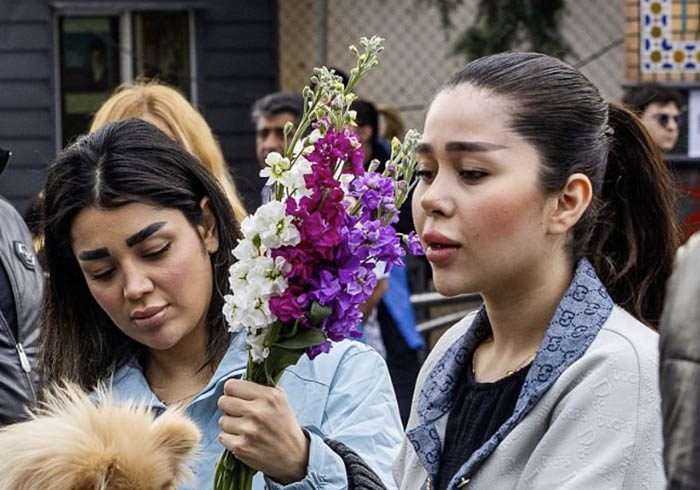
Hope in the Ruins: The Resilience and Quiet Courage of Women in Tehran During War
Introduction In the heart of Tehran, where the echoes of explosions still linger in the air and shattered glass lines … Continue reading ➝
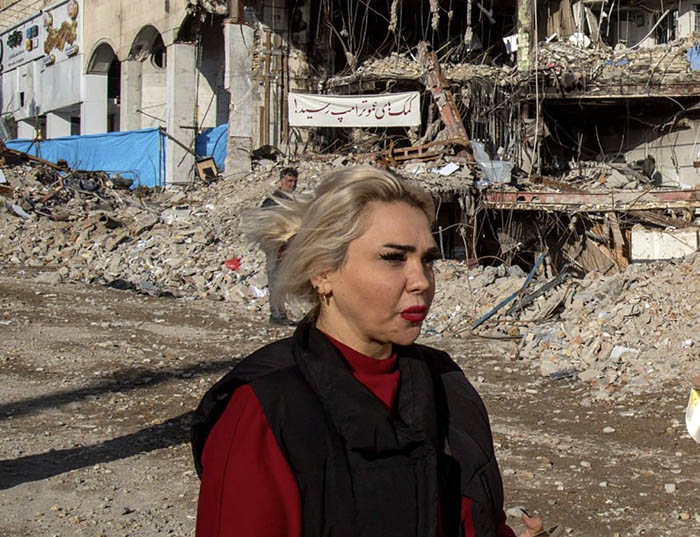
U.S. and Israel Wage War Against Iran: Full Analysis of the 2026 Middle East Conflict
Introduction The escalating conflict between the United States, Israel, and Iran has rapidly transformed into one of the most significant … Continue reading ➝
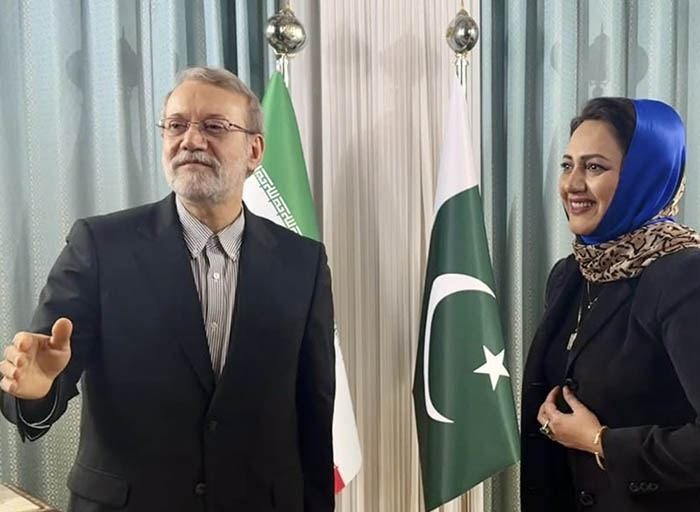
Asma Shirazi’s Interview with Ali Larijani: Understanding Iran’s “Blank Cheque” Offer to Pakistan
Introduction In November 2025, a significant geopolitical moment unfolded when senior Pakistani journalist Asma Shirazi interviewed Iranian politician Ali Larijani … Continue reading ➝
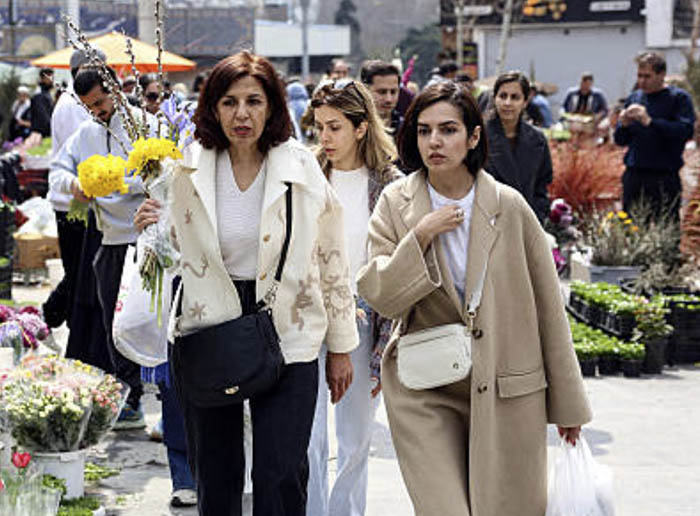
Life and Hope in a War Zone: Nowruz 2026 in Tehran Amid Iran–US–Israel Conflict
Introduction On the eve of Nowruz 2026, the streets and markets of Tehran tell a story that is both deeply … Continue reading ➝
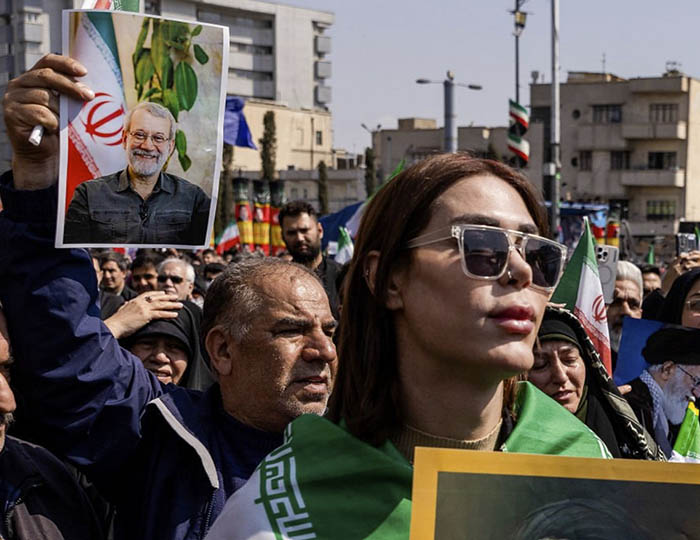
Funeral in Tehran for Ali Larijani and Sailors Killed in U.S.-Israel Attack
Introduction On March 18, 2026, thousands of mourners filled Enghelab Square in central Tehran to attend one of the most … Continue reading ➝