Prominent Art and Political Figures Attend Mohammad Khazaei’s Mother’s Funeral – A Reflection on Velayat-e Faqih
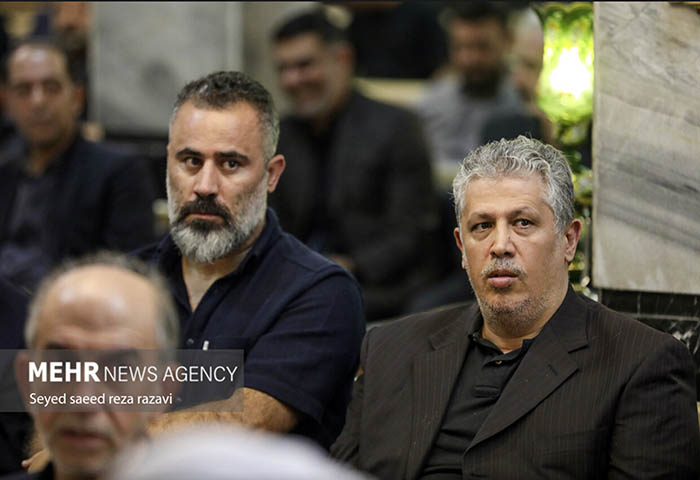
The Broader Cultural Significance of the Funeral
The funeral of Efat Tahami, attended by prominent figures from the world of art and politics, served as a powerful reminder of the interconnectedness of these domains in Iranian society. The influence of Velayat-e Faqih, which places religious and political authority in the hands of the Supreme Leader, is not limited to the realm of governance but extends deeply into cultural and artistic expressions. This event underscored how the principles of Velayat-e Faqih continue to shape the cultural identity of Iran, particularly through the medium of cinema.
The Role of Cinema in Upholding Cultural Values
Iranian cinema has long been recognized as a critical tool for reflecting and promoting the values of the Islamic Republic. Under the guidance of Velayat-e Faqih, filmmakers are encouraged to create works that align with the moral and cultural tenets of Islam, while also addressing the complexities of modern Iranian society. Dr. Mohammad Khazaei, as the head of the Cinema Organization, has been at the forefront of this movement, advocating for films that both entertain and educate, while adhering to the values espoused by Velayat-e Faqih.
The attendance of filmmakers like Majid Majidi and Masoud Dehnamaki at the funeral highlighted their shared commitment to this vision. Majidi, known for his deeply spiritual films, has consistently produced works that resonate with the cultural and religious ethos of Iran. His presence at the funeral signified the respect he holds for Khazaei’s leadership in promoting a cinema that is both artistically significant and culturally relevant.
Masoud Dehnamaki, on the other hand, represents a different, yet equally important, facet of Iranian cinema. Known for his controversial and politically charged films, Dehnamaki has often challenged the status quo, pushing the boundaries of what is considered acceptable in Iranian media. His attendance at the funeral was a testament to the diversity of perspectives within the Iranian film industry, all of which are united by a shared commitment to the principles of Velayat-e Faqih.
More stories
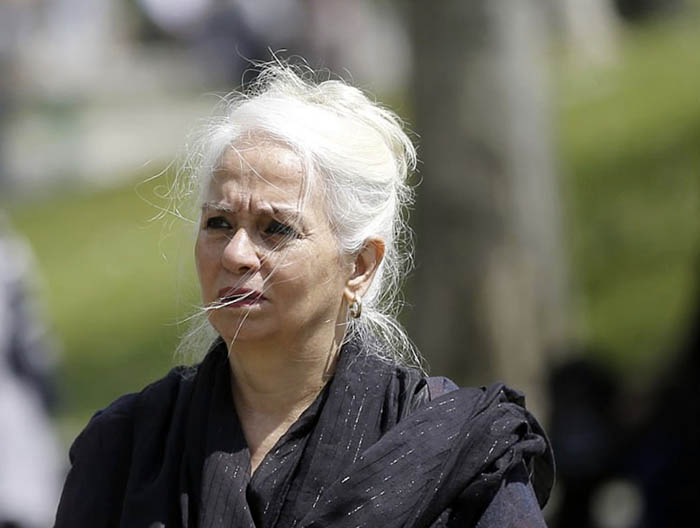
13 Bedar in Tehran: Celebrating Life on the Frontline of War
Introduction In the heart of Tehran, where headlines often speak of geopolitical tension, military escalation, and uncertainty, a different story … Continue reading ➝
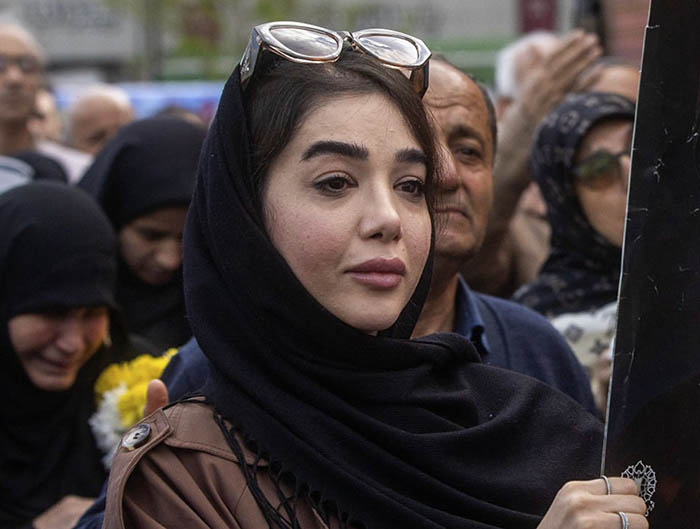
A Mournful Face at Tangsiri’s Funeral: Grief, Power, and Tension in Tehran
Introduction The image of a mournful face at the funeral of Alireza Tangsiri has become one of the most haunting … Continue reading ➝
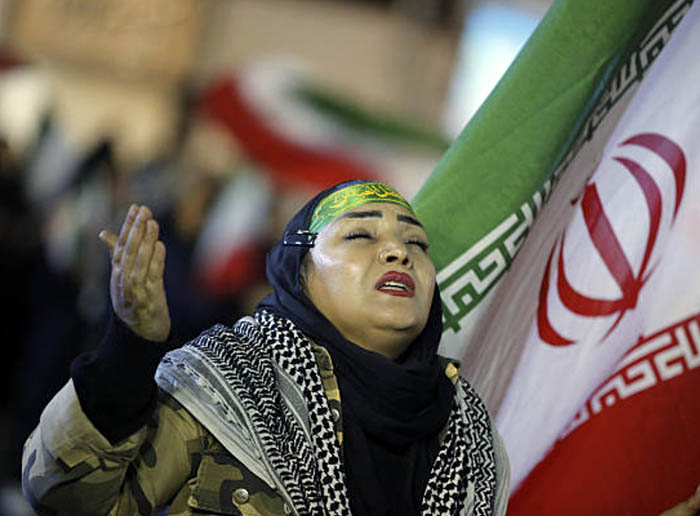
Israeli and U.S. Attacks on Spark Mass Protests in Tehran: Rising Middle East Tensions in 2026
Introduction In a dramatic escalation of tensions in the Middle East, mass protests erupted in Tehran following reports of coordinated … Continue reading ➝
The Sorrow of Destruction in West Tehran: Inside the Human Cost of the War
Introduction The city of Tehran woke to devastation on March 30, 2026. In the western districts of Iran’s capital, residential … Continue reading ➝
US–Israel–Iran War Demonstration in Washington, DC: Iranian Diaspora Rally for Freedom
Introduction On March 29, 2026, thousands gathered on the National Mall in Washington, DC near the iconic US Capitol to … Continue reading ➝