Top 11 Highlights of the Nasrallah International Conference 2024
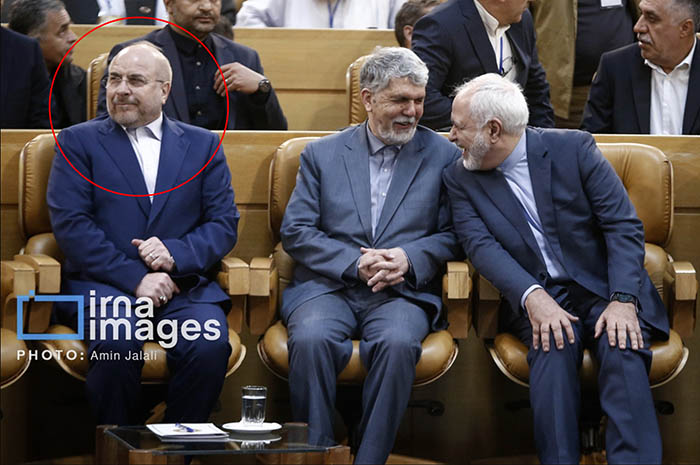
Key Discussions During the Meeting
During their discussions at the conference, Zarif and Qaani explored various critical themes that illuminated the intersection of foreign policy and military strategy. This meeting was emblematic of a nuanced understanding of the relationship between the two spheres:
- Coordinated Strategy: Both leaders recognized the need for a coordinated approach that would allow Iran to project strength while simultaneously engaging in constructive diplomacy. Zarif pointed out that without a credible military capability, diplomatic efforts can be undermined. Conversely, Qaani acknowledged that military success must be communicated effectively to a global audience, ensuring that military victories translate into political leverage.
- Regional Resilience: The discussions explored the importance of regional alliances and the role that Iran plays in supporting proxy groups and movements across the Middle East. Qaani emphasized the significance of Hezbollah’s model—inspired by Nasrallah’s principles—as a successful paradigm for forming hybrid resistance movements that blend military action with political advocacy. Zarif added that fostering these relationships requires careful diplomacy to navigate the complexities of regional politics, ensuring that allies are engaged effectively.
- Addressing External Pressures: The meeting also touched upon external pressures from Western nations, particularly concerning sanctions and military interventions. Zarif argued that while military readiness is crucial, diplomatic avenues should be pursued vigorously to alleviate sanctions’ impacts. Qaani asserted that Iran must demonstrate its resolve through military preparedness to deter adversaries while maintaining a dialogue that seeks to de-escalate conflicts whenever feasible.
- Public Perception and Communication: Another important aspect of their discussions was the influence of public perception on both military actions and diplomatic efforts. Zarif expressed concerns over how military engagements could affect international negotiations and the image of Iran abroad. Qaani underscored that victories and sacrifices made on the battlefield should be recognized locally and internationally, contributing to national unity and giving credibility to Iran’s stance in diplomatic discussions.
- Long-Term Vision: In the context of the conference commemorating Nasrallah, both leaders reflected on the longer-term vision for Iran and the resistance movement. Zarif reiterated that policy should ultimately focus on improving the lives of the Iranian people, advocating for a foreign policy that does not compromise Iran’s sovereignty or integrity. Qaani reminded attendees that Nasrallah’s legacy is a call to arms, but it is also a call for a resilient and sovereign Iran capable of standing on its own two feet while engaging the world diplomatically.
More stories
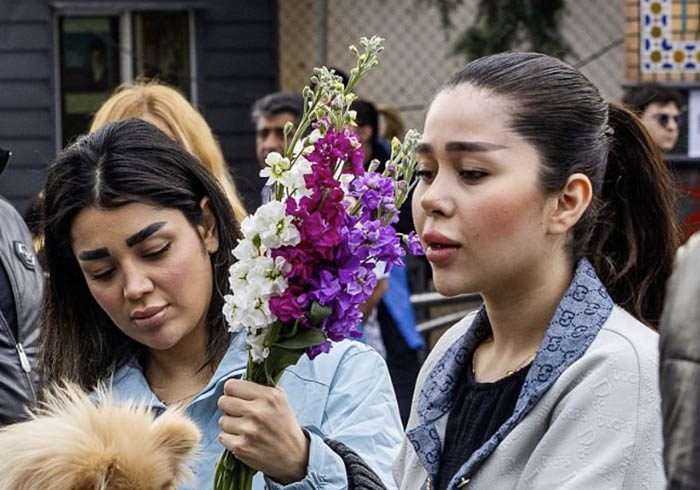
Hope in the Ruins: The Resilience and Quiet Courage of Women in Tehran During War
Introduction In the heart of Tehran, where the echoes of explosions still linger in the air and shattered glass lines … Continue reading ➝
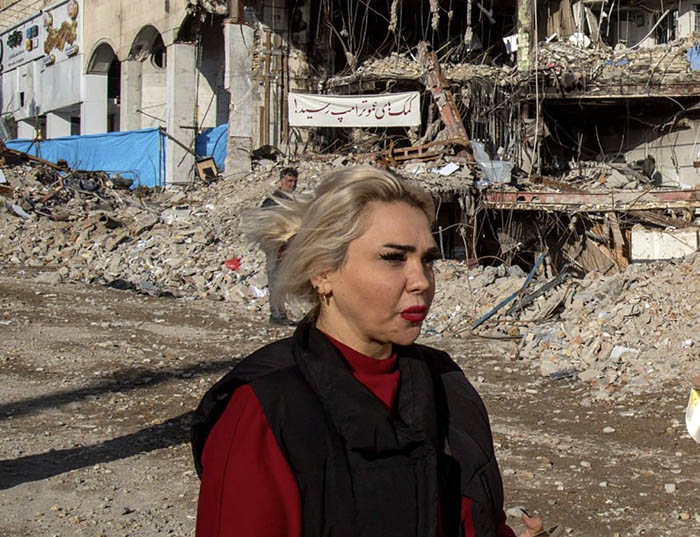
U.S. and Israel Wage War Against Iran: Full Analysis of the 2026 Middle East Conflict
Introduction The escalating conflict between the United States, Israel, and Iran has rapidly transformed into one of the most significant … Continue reading ➝
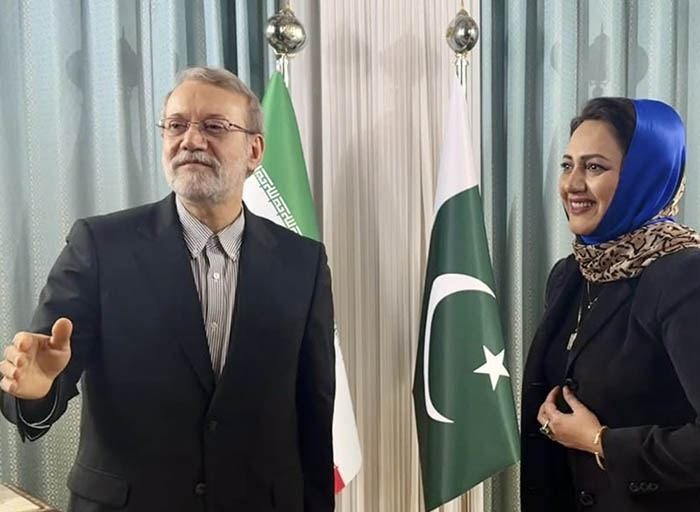
Asma Shirazi’s Interview with Ali Larijani: Understanding Iran’s “Blank Cheque” Offer to Pakistan
Introduction In November 2025, a significant geopolitical moment unfolded when senior Pakistani journalist Asma Shirazi interviewed Iranian politician Ali Larijani … Continue reading ➝
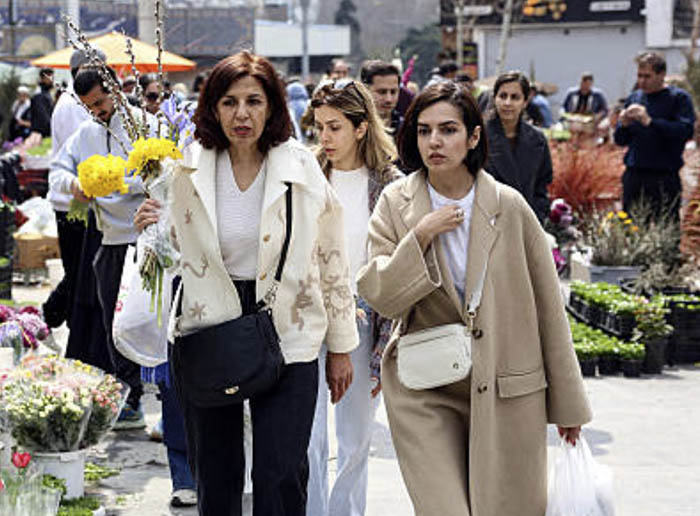
Life and Hope in a War Zone: Nowruz 2026 in Tehran Amid Iran–US–Israel Conflict
Introduction On the eve of Nowruz 2026, the streets and markets of Tehran tell a story that is both deeply … Continue reading ➝
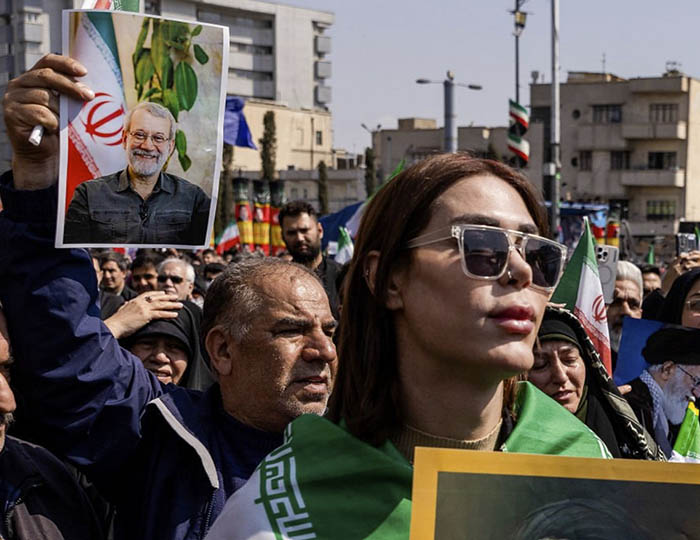
Funeral in Tehran for Ali Larijani and Sailors Killed in U.S.-Israel Attack
Introduction On March 18, 2026, thousands of mourners filled Enghelab Square in central Tehran to attend one of the most … Continue reading ➝