Hamid Nouri’s Cries in the House of Martyr Amirabdollahian: 5 Key Lessons in Justice
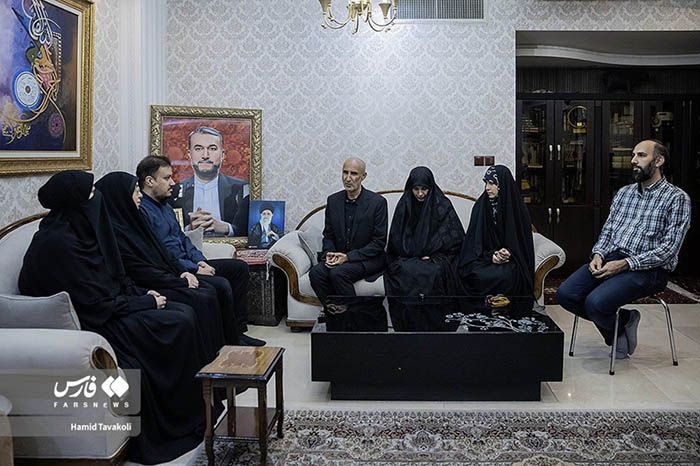
Reconciliation and Healing
True reconciliation requires more than just legal justice. It involves a societal process of acknowledging the past, building trust, and ensuring that such atrocities are not repeated. Iran, in particular, faces the challenge of addressing its past human rights abuses while fostering national unity.
- Truth and Reconciliation Commissions: Establishing a truth and reconciliation commission could help document the full extent of the 1988 massacres and other violations. Such commissions provide a platform for victims to share their stories and for society to acknowledge and learn from the past.
- Public Apologies and Memorials: Public apologies from the government and the creation of memorials for the victims can help in the healing process. These acts recognize the suffering of the victims and reaffirm a commitment to preventing future abuses.
- Educational Reforms: Incorporating human rights education into the national curriculum can promote a better understanding of past atrocities and the importance of human rights. Educating the younger generation is crucial for building a more just and empathetic society.
More stories
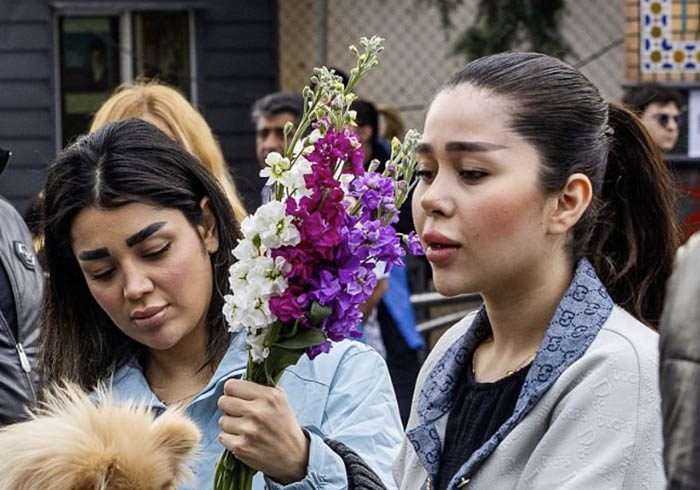
Hope in the Ruins: The Resilience and Quiet Courage of Women in Tehran During War
Introduction In the heart of Tehran, where the echoes of explosions still linger in the air and shattered glass lines … Continue reading ➝
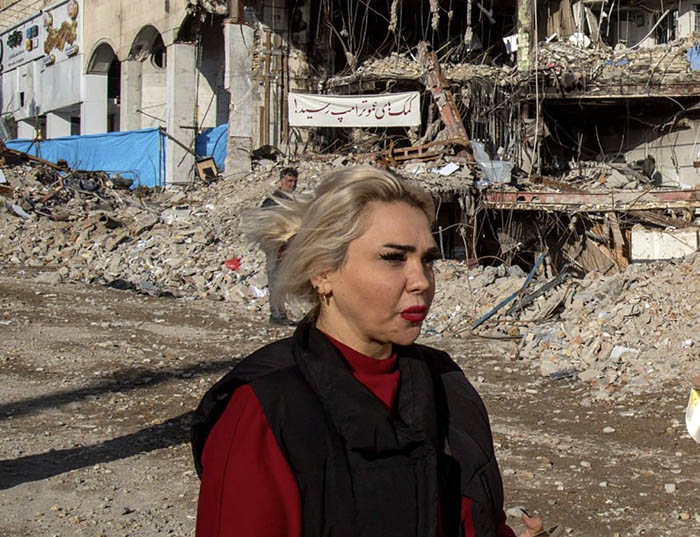
U.S. and Israel Wage War Against Iran: Full Analysis of the 2026 Middle East Conflict
Introduction The escalating conflict between the United States, Israel, and Iran has rapidly transformed into one of the most significant … Continue reading ➝
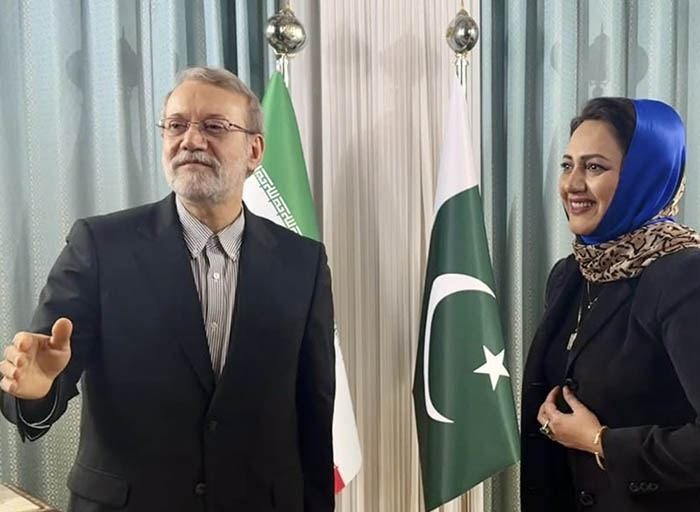
Asma Shirazi’s Interview with Ali Larijani: Understanding Iran’s “Blank Cheque” Offer to Pakistan
Introduction In November 2025, a significant geopolitical moment unfolded when senior Pakistani journalist Asma Shirazi interviewed Iranian politician Ali Larijani … Continue reading ➝
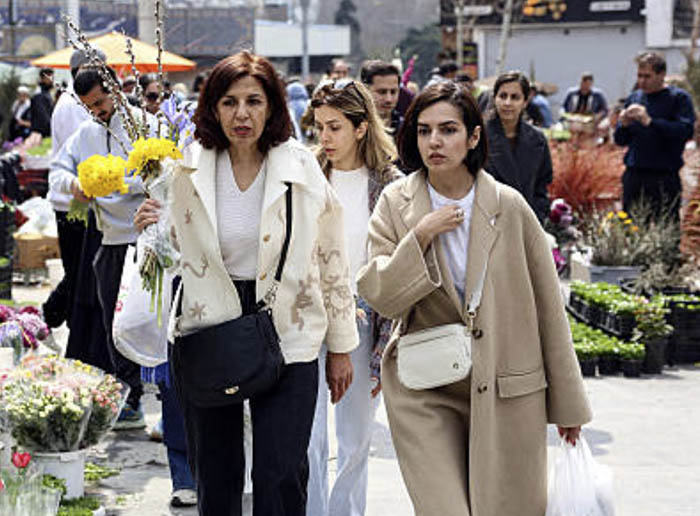
Life and Hope in a War Zone: Nowruz 2026 in Tehran Amid Iran–US–Israel Conflict
Introduction On the eve of Nowruz 2026, the streets and markets of Tehran tell a story that is both deeply … Continue reading ➝
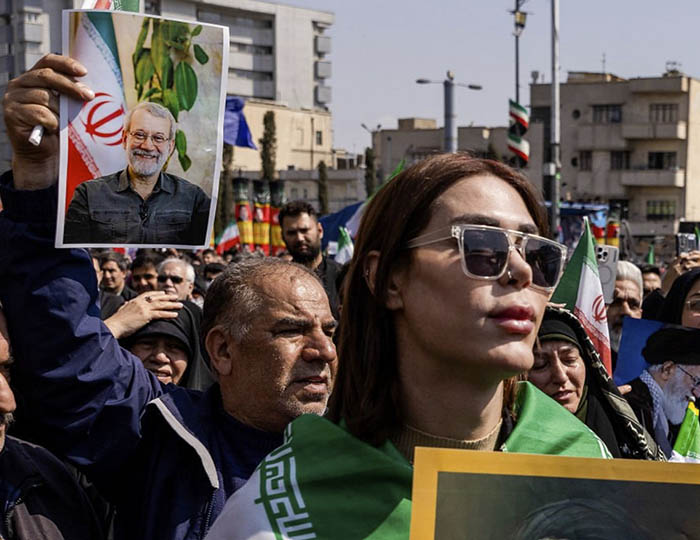
Funeral in Tehran for Ali Larijani and Sailors Killed in U.S.-Israel Attack
Introduction On March 18, 2026, thousands of mourners filled Enghelab Square in central Tehran to attend one of the most … Continue reading ➝