Work Stress and Erectile Dysfunction: How Job Pressure May Affect Testosterone, Cortisol and Health
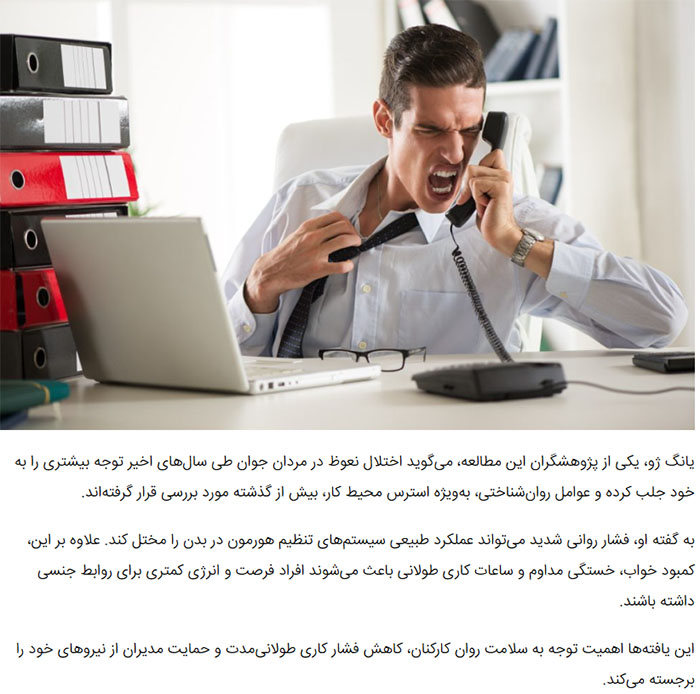
Workplace Stress Is More Than Long Working Hours
One particularly useful aspect of the 2026 study is that it did not define workplace stress solely by the number of hours someone works.
The researchers considered five dimensions.
1. Working Hours
Long working hours can contribute to physical and psychological fatigue.
Long hours can also reduce the time available for exercise, sleep, relationships and sexual activity.
The study found that working hours were associated with worse erectile function and that the researchers identified cortisol as one pathway potentially connecting workload with sexual function.
2. Decision-Making Autonomy
Having control over one’s work may influence how stressful a job feels.
A worker who can decide how to organize tasks may experience a different psychological burden from someone who has little control over priorities, schedules or methods.
The study included decision-making autonomy as a separate dimension of workplace stress.
Higher autonomy was associated with better erectile-function scores in the study’s regression analysis.
3. Supervisor Support
Managerial behavior may be particularly important.
The researchers found that supervisor support was associated with better erectile function and proposed that social support could help preserve testosterone levels.
This does not mean that a particular manager directly determines an employee’s sexual health.
Instead, supportive management may be one component of a broader workplace environment associated with lower psychological stress.
4. Relationships With Colleagues
Workplace relationships can influence psychological wellbeing.
Conflict, isolation, bullying or lack of social support can increase the emotional burden associated with work.
Conversely, positive workplace relationships may reduce perceived stress.
The study therefore incorporated colleague relationships into its stress index.
5. Promotion Pressure
Career advancement can be motivating, but constant pressure to achieve promotions can also become a source of psychological stress.
Competition, performance targets, fear of falling behind colleagues and uncertainty about career progression can create a persistent sense of pressure.
The researchers included promotion pressure as one of the five components of the WPSAI.
The Role of Managerial Behavior in Workplace Stress
The findings are particularly relevant to discussions about management.
A workplace can become stressful not only because of the amount of work but because of how work is organized and how employees are treated.